Nation
Supreme Court seeks Centre, states’ response on PIL to curb false cases
PIL seeks display boards at police stations and other public offices, including courts and educational institutions
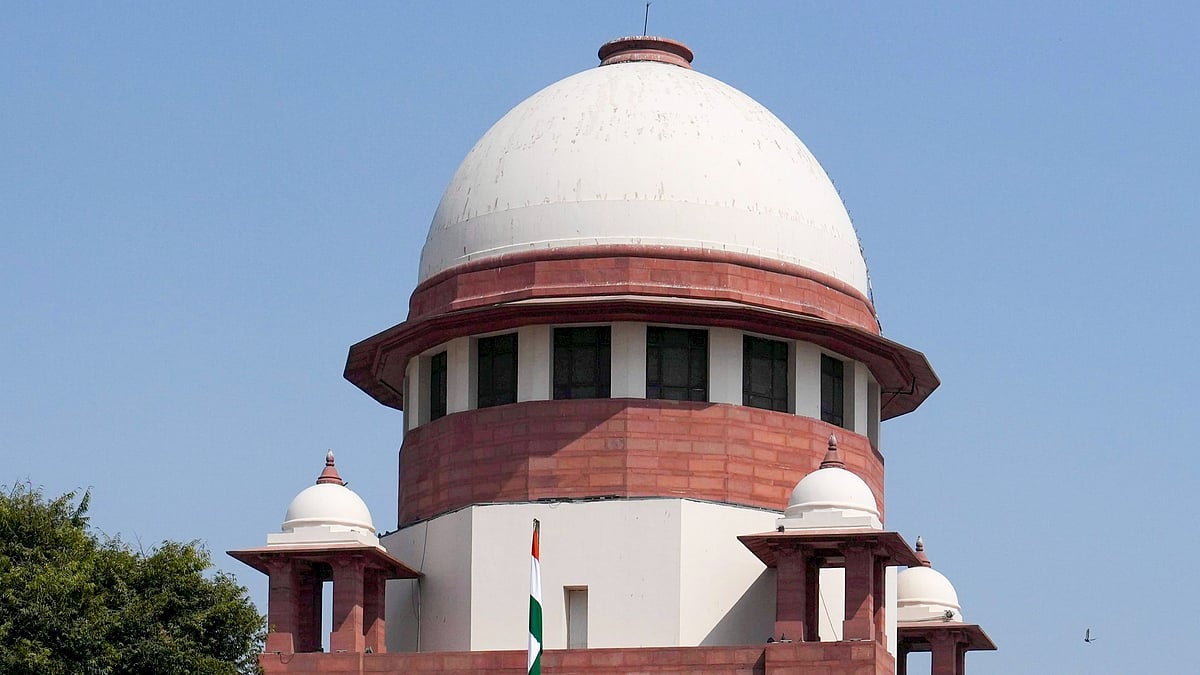
The Supreme Court of India on Thursday issued notice on a Public Interest Litigation (PIL) seeking directions to the Union government and all states and Union Territories to install display boards at police stations and public offices warning citizens about the penal consequences of filing false complaints and fabricated evidence.
A Bench led by Chief Justice of India Surya Kant, along with justices Joymalya Bagchi and Vipul M. Pancholi, passed the order after hearing submissions from petitioner advocate Ashwini Kumar Upadhyay.
During the hearing, the CJI-led Bench underscored that the constitutional principle of fraternity must guide societal conduct and warned against the misuse of criminal law through false cases.
“The problem arises when false complaints are lodged. The poor complainant does not even know that a false case has been registered in his name and is being exploited,” the court observed, highlighting the serious consequences such misuse can have on innocent citizens.
What the petition seeks
The PIL calls for installation of display boards at police stations, tehsil offices, district courts, panchayat bhawans, municipal offices and educational institutions. These boards would inform citizens about the legal consequences of filing false complaints, false charges, false statements and fabricated evidence.
The petition argues that such preventive steps are essential to safeguard the right to life, liberty and dignity guaranteed under Article 21 of the Constitution. It contends that criminal law is frequently misused to settle personal, business or political scores, leading to harassment and prolonged litigation for innocent individuals.
Additionally, the plea seeks a direction requiring authorities to inform complainants about the legal consequences of filing false complaints before registering an FIR or accepting any complaint.
“The authorities must inform the complainant about punishment for false complaints, false charges, false statements, false information and false evidence before accepting the complaint,” the petition states, asserting that such measures would protect innocent citizens’ freedom of speech and expression.
The petitioner has also requested that complainants be required to submit an undertaking or affidavit affirming that the statements and allegations made are true and correct, with the objective of discouraging frivolous or malicious prosecutions.
Reliance on NCRB data and law commission report
Citing empirical data from National Crime Records Bureau (NCRB) reports, the petition claims a significant disparity between the number of cases registered under various special criminal laws and the number of convictions, with acquittals running disproportionately high.
“This statistical pattern reveals a structural problem of false complaints, false charges and fabricated evidence clogging the criminal justice system,” the plea submitted.
The petitioner also referred to the Law Commission’s 277th Report, arguing that false charges, wrongful prosecutions and fabricated evidence are among the primary causes of miscarriage of justice and violation of Article 21.
While noting that Chapter XIV of the Bharatiya Nyaya Sanhita, 2023 addresses offences relating to false evidence and public justice, the plea contends that the absence of effective administrative and preventive mechanisms has rendered these provisions inadequate in curbing abuse.
Impact on fundamental rights
The petition further argues that the unchecked misuse of criminal law creates a chilling effect on freedoms guaranteed under Article 19, including freedom of speech, movement and the right to carry on trade and profession. Fear of malicious prosecution, it says, discourages legitimate dissent and lawful enterprise.
“False complaints and malicious prosecutions convert the criminal process itself into punishment,” the plea states, noting that even eventual acquittal cannot undo the loss of liberty, social stigma, mental trauma and reputational damage suffered by the accused.
The petitioner contends that the judiciary remains overburdened due to a large number of false cases and that neither the Centre nor the states have taken adequate steps to address the issue, necessitating judicial intervention.
The matter will now proceed after responses are filed by the Union government and the states.
With IANS inputs
Join our official telegram channel (@nationalherald) and stay updated with the latest headlines