Nation
Tamil Nadu faces deepening drinking water crisis as reservoirs run dry
Weak monsoon has dried up major reservoirs and irrigation tanks, sparking water supply concerns across several districts
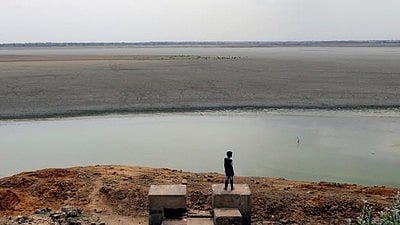
Tamil Nadu is grappling with a worsening drinking water crisis as a weak southwest monsoon has left reservoirs, irrigation tanks and groundwater sources severely depleted, triggering acute shortages in several districts and raising concerns over the state's preparedness to meet rising demand.
Official figures from the Water Resources Department paint a grim picture. Of the state's 90 major dams, 59 have run dry, while another 16 are operating with only 25 to 50 per cent of their storage capacity.
The situation is equally alarming across Tamil Nadu's irrigation network. As many as 3,489 irrigation tanks have dried up completely, while a further 6,158 are close to depletion, significantly reducing water availability for both agriculture and domestic use.
The prolonged rainfall deficit has affected much of southern India, leading to poor inflows into reservoirs and further straining drinking water supplies. The Water Resources Department manages the state's dams and more than 14,000 irrigation tanks.
The Tamil Nadu Water Supply and Drainage (TWAD) Board, which operates several combined drinking water schemes serving urban and rural areas, is facing mounting pressure as traditional water sources continue to shrink. Many of its supply schemes depend on rivers, reservoirs and lakes, while falling groundwater levels have also reduced the output of borewells.
Officials and residents say borewell pumps are being operated for longer hours to extract diminishing quantities of water, increasing electricity consumption without significantly improving supply.
The shortages are most severe in districts including Virudhunagar, Tiruvannamalai, Tirunelveli, Tiruchi, Thoothukudi, Thanjavur, Namakkal, Perambalur, Madurai, Sivaganga, Dharmapuri, Cuddalore and Dindigul. In several areas, drinking water that was previously supplied once a week is now reaching households only once every ten days, forcing many residents to rely on private water tankers and other temporary arrangements.
Fresh concerns have also emerged over groundwater depletion in Tiruvallur and Kancheepuram, two districts that are among Chennai's principal sources of drinking water.
Officials in the Water Resources Department are understood to have repeatedly alerted the TWAD Board to the declining availability of water. However, criticism has mounted over the alleged lack of adequate contingency measures or alternative sourcing plans, with fears that the crisis could worsen further if rainfall remains below normal in the coming weeks.
With IANS inputs
Join our official telegram channel (@nationalherald) and stay updated with the latest headlines