Nation
TCS under fire over delayed response to Nashik harassment complaints
Experts point to systemic lapses in workplace safeguards as police widen probe and company launches internal investigation
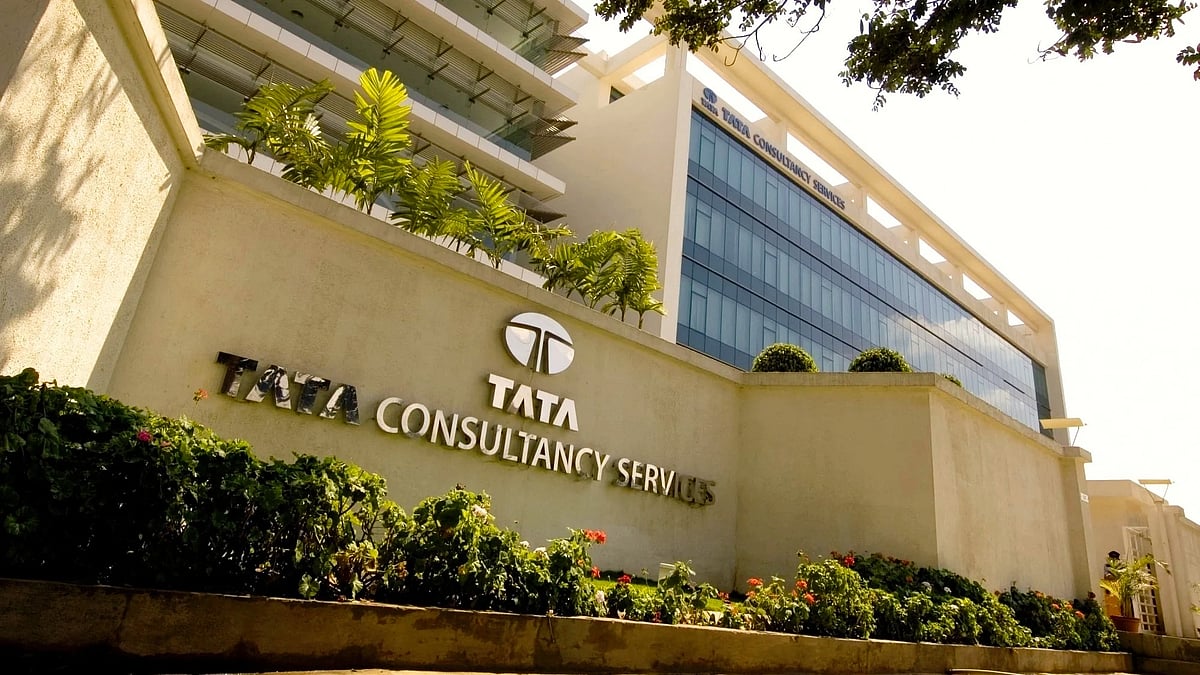
Tata Consultancy Services (TCS) is under growing scrutiny following allegations that it failed to respond promptly to complaints of sexual harassment and forced religious conversion at its Nashik facility, with industry experts describing the lapse as a systemic breakdown in implementing workplace protections.
Tata Sons chairman N. Chandrasekaran said on 13 April that a “thorough investigation is underway” to establish the facts and identify those responsible. The company has appointed its chief operating officer, Aarthi Subramanian, to lead the internal inquiry.
The controversy has intensified after reports that, in addition to seven individuals already arrested, an HR manager based in Pune — accused of ignoring complaints — remains untraceable. Authorities have not confirmed her whereabouts.
The case first emerged in March when a female employee alleged that a colleague had coerced her into a physical relationship under the promise of marriage. Subsequent investigations led to the registration of multiple additional complaints relating to harassment and alleged attempts at religious conversion.
Law enforcement agencies have since expanded the probe. Nashik Police reportedly deployed undercover personnel, including women officers, within the facility over several weeks to gather evidence. The investigation is now being handled by a Special Investigation Team led by assistant commissioner of police (crime) Sandeep Mitke.
Industry voices quoted by a moneycontrol report raised concerns about organisational culture and accountability. Former Infosys executive TV Mohandas Pai described the situation as indicative of a “failure of systems and processes”, adding that a climate of fear may have discouraged employees from speaking out.
He suggested that companies should strengthen internal communication channels, including regular “skip-level” meetings that allow employees to raise concerns directly with senior management, bypassing immediate supervisors.
Others pointed to structural issues in complaint escalation. Aditya Mishra, CEO of CIEL HR, noted that most companies have multi-tier grievance redressal mechanisms and mandatory training programmes to address workplace misconduct. However, he suggested that either employees were unaware of these processes or feared repercussions.
Questions have also been raised about whether corporate governance standards vary across locations. Pareekh Jain, CEO of EIIRTrend, said the case highlights potential gaps in implementing employee welfare policies in smaller cities, as companies expand beyond major metropolitan hubs.
He added that senior leadership, including HR heads, should be held accountable if complaints fail to reach decision-makers, particularly when alleged misconduct involves individuals in positions of authority.
TCS, one of India’s largest private sector employers with over 580,000 employees globally, has reiterated its commitment to a zero-tolerance policy on misconduct. In a statement, Chandrasekaran described the allegations as “gravely concerning” and assured full cooperation with authorities.
While the investigation continues, the case has sparked a broader debate on workplace safety, accountability, and the effectiveness of corporate governance frameworks in large organisations.
With PTI and IANS inputs
Join our official telegram channel (@nationalherald) and stay updated with the latest headlines