Nation
Unseasonal New Year rain soaks Mumbai as IMD forecasts wetter winter for south, dry spell in northwest
Moderate showers mark 1 January in the financial capital; weather office links shifting patterns to climate change, sees La Niña aiding monsoon outlook
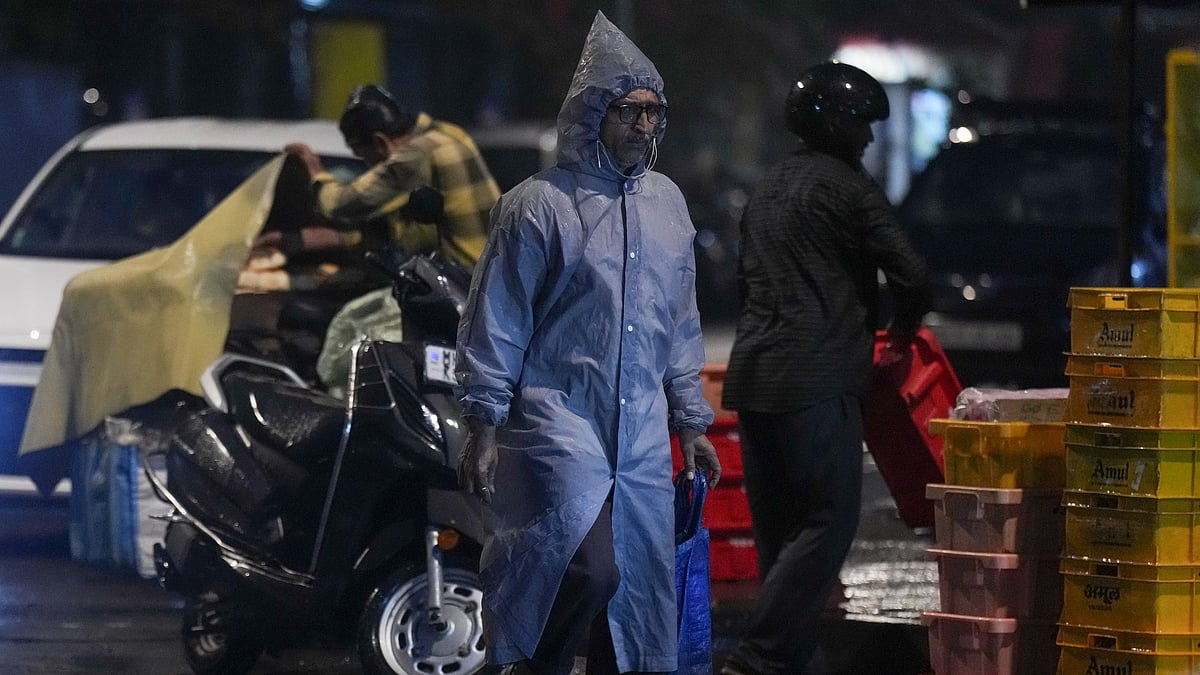
The New Year began on an unseasonal, rainy note for Mumbai on Thursday, even as the IMD (India Meteorological Department) forecast good rainfall over southern and central India between January and March, alongside below-normal showers in parts of the northwest.
Several parts of Mumbai, particularly the island city, witnessed moderate to heavy rain early on 1 January, with showers beginning shortly after 5 am. The intensity was higher in some pockets, while others saw light drizzle, before easing around 6.15 am. Navi Mumbai and parts of Thane also recorded rainfall, bringing an unexpected start to 2026 for the country’s financial capital.
According to civic officials, between 4 am and 8 am, the island city recorded an average rainfall of 5.37 mm, while the eastern and western suburbs received 0.38 mm and 2.79 mm, respectively. Thick cloud cover persisted for a few hours before skies gradually cleared later in the day. Residents said the unseasonal rain made the weather pleasant, accompanied by cool breezes.
The unusual showers coincided with the IMD’s broader winter outlook, which points to shifting weather patterns across the country. IMD Director General Mrutyunjay Mohapatra said southern and central India are likely to receive good rainfall from January to March, while the northwest — including Punjab and Haryana — may see below-normal precipitation.
However, he said the mixed rainfall pattern is unlikely to adversely affect the rabi crop, as northwestern regions are well irrigated and reservoirs remain full following a good monsoon.
The weather office also forecast one to three additional cold days in parts of the northeast, Bihar and Vidarbha, while Rajasthan may see fewer cold days.
Mohapatra noted that minimum temperatures in January are likely to remain below normal across most parts of the country, though some areas in the northwest, northeast and peninsular India could experience above-normal temperatures. He attributed the virtually dry December to the absence of western disturbances, which are either moving northwards or passing too quickly — a shift he linked to climate change.
On the larger climate outlook, the IMD said La Niña conditions are currently prevailing, with global models projecting a transition to ENSO-neutral conditions by March, likely to persist till June-July. This, Mohapatra said, is generally seen as a favourable indicator for the southwest monsoon.
He also noted that 2025 was India’s eighth-warmest year since 1901, with the annual mean land surface air temperature 0.28 degrees Celsius above the 1991–2020 average, underscoring the growing impact of climate variability on seasonal weather patterns.
With PTI inputs
Join our official telegram channel (@nationalherald) and stay updated with the latest headlines