Nation
UP’s Balrampur bars unauthorised outsiders and YouTubers from government schools
Educationists warn that the restrictions could weaken public scrutiny, while officials say unauthorised filming is disrupting classes and raising safety concerns
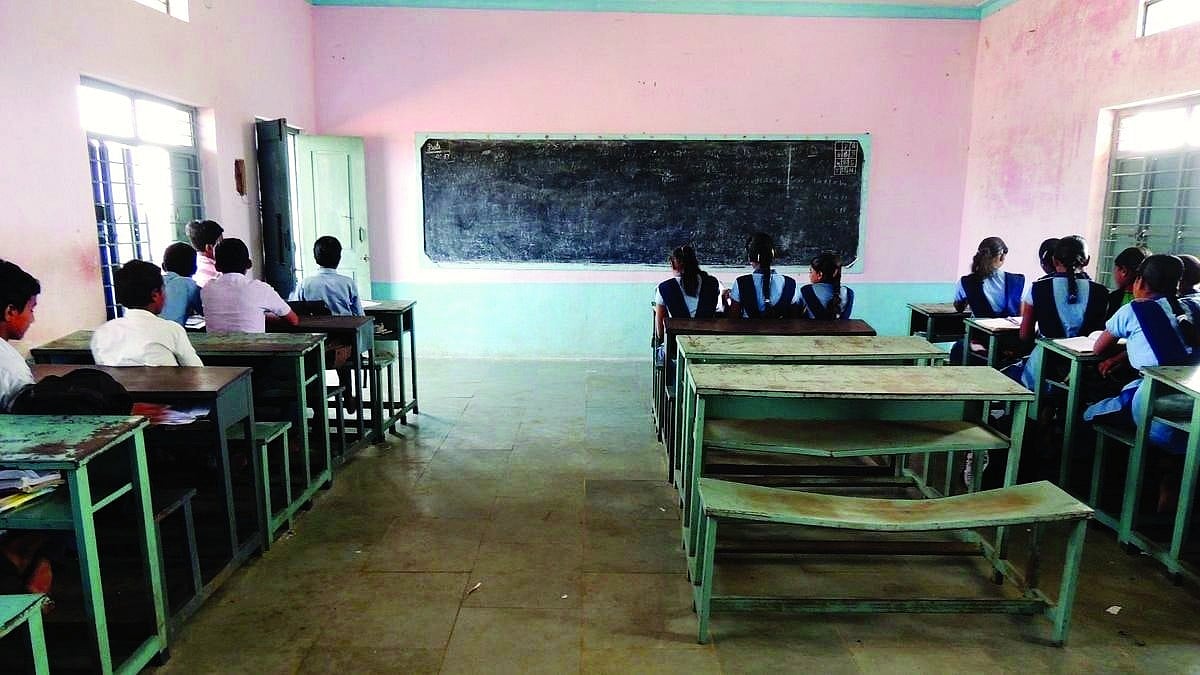
The Basic Education Department in Uttar Pradesh’s Balrampur district has prohibited unauthorised outsiders, YouTubers and social media content creators from entering government-run schools, prompting concerns over transparency and public oversight.
District Basic Education Officer Vikas Chandra Srivastava issued the directive on August 17 after reports that individuals had entered council-run schools without permission, photographed or filmed the premises and staff, and posted the material on social media.
According to the order, such activity was disrupting teaching, undermining the dignity of educators and damaging the department’s reputation.
It cited the safety and interests of students as grounds for enforcing the restrictions with immediate effect.
The department said designated district and block-level officials already conducted regular inspections and monitored the functioning of council-run schools. Authorised officials visiting for inspections would be required to record their presence in the visitor register.
Several educationists and civil society representatives criticised the decision, arguing that limiting access could make it harder to assess teaching standards, infrastructure and the implementation of welfare programmes.
Rajesh Kumar Singh, former dean of Maa Pateshwari University, described the order as “dictatorial”. He said public scrutiny was essential to determine whether pupils were receiving proper instruction and quality meals under the government’s mid-day meal programme.
Arvind Kumar Dwivedi, a former president of the Siddharth University Teachers’ Association, said community monitoring helped establish whether teachers attended school regularly and whether pupils faced difficulties.
He added that public oversight could also reveal whether children were receiving benefits under government schemes and identify unsafe or dilapidated school buildings.
“Greater transparency by the government and administration will increase public trust,” Dwivedi said.
Social worker Devesh Chandra Srivastava took a more qualified view, supporting restrictions on outsiders whose presence could disrupt lessons but arguing that parents should continue to have access to schools.
He suggested that principals and teachers be directed to meet parents every one or two months to discuss pupils’ academic progress and address concerns.
Defending the decision, the district basic education officer maintained that unauthorised visitors were disturbing teaching and learning, making the restrictions necessary.
With PTI inputs
Join our official telegram channel (@nationalherald) and stay updated with the latest headlines