Nation
We don’t need to look at Bangla or Nepal when we have Mahatma Gandhi: Dipke
CJP founder rejects comparisons between CJP’s Delhi protest and Bangladesh’s 2024 uprising
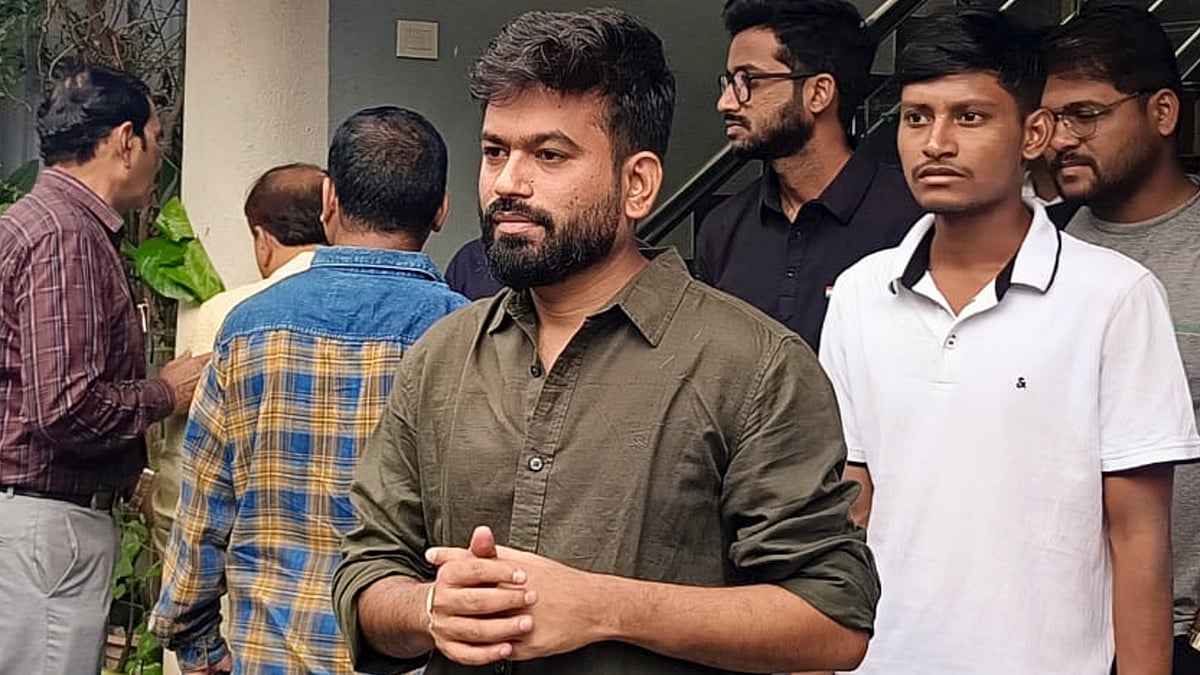
Cockroach Janata Party (CJP) founder Abhijeet Dipke on Monday invoked the legacy of Mahatma Gandhi while asserting that Indian student movements need not look beyond the country’s own history for inspiration, amid comparisons being drawn with recent protests in Bangladesh and Nepal.
In an interview with PTI at his residence in Maharashtra’s Chhatrapati Sambhajinagar, Dipke rejected parallels between the CJP-led protest in Delhi over alleged examination irregularities and the 2024 uprising in Bangladesh that led to the ouster of Sheikh Hasina’s Awami League government.
“Protests in Bangladesh and Nepal are being used to defame us; we are different,” Dipke said, stressing that the Delhi demonstration followed constitutional principles and remained peaceful.
He said India’s own tradition of non-violent resistance, shaped by Mahatma Gandhi, continues to inspire movements across the world. “We don’t need to look at Bangladesh or Nepal when we have Mahatma Gandhi, from whom the world takes inspiration to protest,” he said.
Responding to comments by exiled Bangladeshi author Taslima Nasreen drawing comparisons between the protests, Dipke said such parallels were misplaced. He acknowledged that images of police action during protests in India may have reminded some people of unrest in neighbouring countries, but insisted that Indian students maintained restraint despite facing injuries.
“The students in India were not violent or aggressive. They got their heads, arms and legs broken but displayed restraint and sat peacefully at Jantar Mantar,” he said.
Calling education the foundation of the nation’s future, Dipke said it should become the central issue in every election. “If you don’t make education the main agenda in elections, it means you are not thinking about the future. Education is an investment for the future of the country,” he said.
He also criticised the government over the delay in providing compensation to the families of NEET aspirants who died by suicide, alleging that authorities were being selective in their approach.
Dipke claimed that while political activities involving large expenditures receive quick attention, demands related to grieving families often face procedural delays. He warned that if their demands were not addressed soon, another agitation could be launched.
On the role of Gen Z in public movements, Dipke urged young people to maintain a distinction between themselves and what he described as aggressive political behaviour. He said students should continue to raise their voices while preserving dignity and restraint.
Dipke extended support to students protesting in Jharkhand over alleged irregularities in state public service examinations and recruitment tests, saying their fight was against systemic failures rather than any political party.
“Wherever agitations happen for education and wherever students come forward to demand their rights, we are going to stand with them, irrespective of the ruling party in that state,” he said, adding that CJP would support demands for reforms and investigations.
On opposition leaders visiting the students’ protest at Jantar Mantar, Dipke said their presence was focused on supporting the students’ cause rather than promoting political interests.
Discussing CJP’s future plans, Dipke said the organisation would hold a meeting in Chhatrapati Sambhajinagar on August 5 to chart its roadmap following the recent protest movement. He said expectations from the organisation had grown and volunteers would be involved in expanding its work.
Reflecting on India’s education system, Dipke said the country needed greater emphasis on practical learning and infrastructure. Comparing Indian and foreign education systems, he argued that institutions abroad focus more on developing students as responsible citizens rather than merely chasing grades.
He also called for greater government investment in education, saying it should remain the country’s top priority.
“There is no dearth of funds with the government, so I don’t understand why expenditure on education is being reduced,” he said, adding that education forms the foundation of a nation’s progress.
Dipke further questioned the limited public information available about the PM Cares Fund and suggested that greater support from such resources could help strengthen the education sector.
He said the rising cost of quality education had made it increasingly difficult for ordinary citizens to access opportunities, stressing the need for a more inclusive and affordable education system.
With PTI inputs
Join our official telegram channel (@nationalherald) and stay updated with the latest headlines