Opinion
One year of Operation Sindoor: South Asia needs diplomacy more than deterrence
A year after India’s cross-border strikes, South Asia continues to grapple with the consequences of a dangerous new precedent
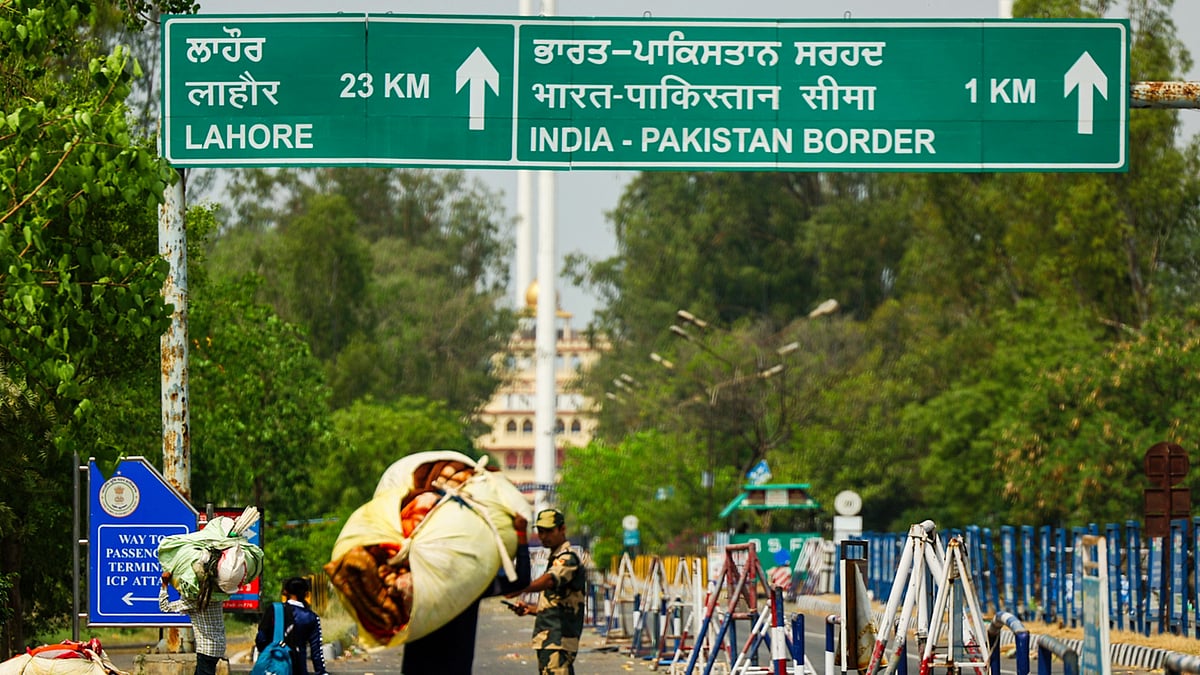
Today, 7 May marks the first anniversary of Operation Sindoor, the high-stakes military intervention that redefined the India–Pakistan security architecture in the wake of the Pahalgam tragedy.
One year ago, the subcontinent stood on a knife-edge, with the spectre of nuclear escalation looming larger than at any point since the 1999 Kargil War. Today, as the smoke from those precision strikes has cleared, the region faces a deeper question: has the 'Sindoor' precedent brought lasting security, or has it merely solidified a dangerous 'new normal' that requires urgent diplomatic intervention?
The genesis of the operation lay in the horrific events of 22 April 2025, when terrorists from The Resistance Front (TRF), a proxy of Lashkar-e-Taiba, massacred 26 people in Pahalgam. The attack was a calculated attempt to dismantle the narrative of normalcy in Jammu and Kashmir. New Delhi’s response, launched on 7 May, was both symbolic and kinetic. Named 'Sindoor' — evoking the sanctity and sacrifice of the families targeted — the operation saw Indian missiles strike nine terror hubs in Pakistan, including Muridke and Bahawalpur.
Foreign secretary Vikram Misri termed the strikes “measured, non-escalatory, and responsible”, aimed strictly at dismantling the infrastructure of groups such as Jaish-e-Mohammad (JeM). While India reported the elimination of over 70 militants, Islamabad countered with a narrative of defiance, alleging civilian casualties and claiming to have downed five Indian jets — assertions that remained largely uncorroborated by international observers or satellite imagery.
Operation Sindoor signalled a definitive end to India’s era of 'strategic restraint'. Domestically, it bolstered the government’s image as a protector of its citizens, enjoying rare cross-party consensus during the 24 April all-party meeting. Globally, the aftermath of the operation underscored a shifting geopolitical tide.
Unlike in previous decades, the international reaction was notably tilted. While China called for “maximum restraint”, the United States, France and Israel acknowledged India’s right to self-defence against cross-border terror.
This growing global recognition of Pakistan’s failure to curb militant proxies — exemplified by Financial Action Task Force (FATF) scrutiny and the Sajid Mir case — left Islamabad diplomatically isolated. However, the suspension of the Indus Waters Treaty and the closure of the Attari–Wagah border sparked fears at the United Nations of a humanitarian and economic crisis in South Asia.
One year later, the 'fog of war' still clings to the events of May 2025. The anniversary serves as a reminder of the modern battlefield’s dual nature: the kinetic and the digital. Both nations engaged in fierce information warfare; while India utilised intelligence intercepts to link Karachi to Pahalgam, Pakistan’s ISPR used social media to project a narrative of 'false flag' operations.
Critical journalistic inquiries over the past year have highlighted the difficulty of independent verification in such high-security zones. The lack of third-party access to strike sites in Pakistan-occupied Kashmir and Punjab in Pakistan means that, while the military impact may have been significant, the psychological impact — the messaging — was arguably the operation’s most potent weapon.
While Operation Sindoor may have achieved its immediate tactical objective of deterrence, the long-term stability of 1.6 billion people cannot rest on the frequency of missile strikes. The anniversary of the operation must be more than a commemoration of military prowess; it should also serve as a catalyst for constructive dialogue.
Both nations are currently navigating precarious economic terrain. For India, the path to a $5 trillion economy requires a stable neighbourhood. For Pakistan, internal economic survival hinges on moving away from a 'security state' model towards a 'trade state' model. Reopening the Wagah border for trade is not a concession; it is a necessity for the survival of the region’s poorest.
The animosity of states should not become the animosity of peoples. Restoring cultural exchanges, sporting ties and religious corridors — akin to the Kartarpur model — is essential to de-radicalising discourse on both sides of the Line of Control.
Dialogue must be revived, not as a favour, but as a crisis-management tool. Verifiable action by Pakistan against terror networks remains the prerequisite, but the absence of high-level engagement creates a vacuum that only extremists can fill.
Operation Sindoor was a testament to India’s resolve, but peace is a more difficult pursuit than war. One year on, the lesson of 7 May is that while military strength can prevent catastrophe, only diplomacy can build a future. It is time for both New Delhi and Islamabad to move beyond the rhetoric of the “rogue state” and the “false flag”, and begin the arduous but necessary work of building a South Asia defined by cooperation rather than conflict. The victims of Pahalgam deserve a legacy that is not merely a cycle of revenge, but the foundation of a lasting peace.
Hasnain Naqvi is a former member of the history faculty at St Xavier’s College, Mumbai. More of his writing here
Join our official telegram channel (@nationalherald) and stay updated with the latest headlines