Opinion
Survival sense in the time of war
If the war does not end soon or spreads, the world could face a recession. The adverse impact on India is increasing by the day
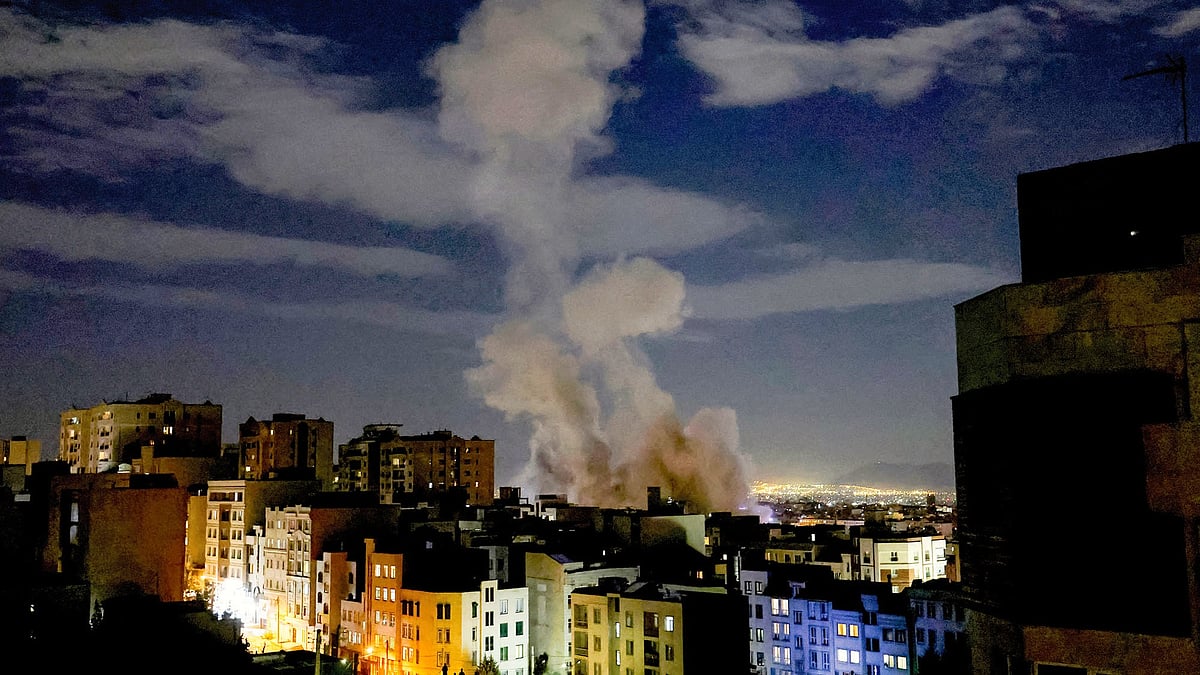
It is hard to predict the end of the West Asia war. Even after the agreed two-week ceasefire at the time of writing, a deep distrust will persist on all sides and the situation will simmer. Even after the war stops, the Gulf nations will not be able to immediately ramp up production because their infrastructure has been damaged in the attacks. So, energy shortages will persist even after the war ends.
The adverse impact on India is increasing by the day. Prices are rising and output is hit in several industries, most visibly restaurants and hotels. Migrant workers in cities are finding it difficult to procure/afford cooking gas and are perforce heading back to their villages, as they did during the Covid pandemic.
As the war or war-like conditions persist, the global energy supply shock will bite harder. Since all production, distribution and consumption requires energy, shortage of crude and gas will impact output. The present global crude and gas shortage is at least 10 per cent, in spite of increased supplies from alternative sources and other interventions like permission to buy Russian and Iranian oil on high seas and the Saudi East-West pipeline a.k.a. Petroline providing an outlet via the Red Sea.
Stocks of petroleum products in the pipeline and strategic stocks will last for a limited time. So, global production is getting hit and supply chains are being disrupted. Since the world’s dependence on petroleum products is far greater now than in the 1970s, during the Arab-Israeli war, the impact is greater.
Also, since all production activities, as well as transportation and distribution, require energy, an increase in energy prices has a cascading impact on all prices.
Further, crude oil is not just energy but also a source input for things like chemicals and gas. It yields sulphur and LPG. It is used in the production of synthetic fibres, fertilisers, plastics, pharmaceuticals, lubricants, bitumen for road surfaces and so on. So, a scarcity of crude leads to shortages of other commodities and their prices rise due to speculation and black marketing in addition to the spike on account of the increase in the price of inputs.
The impact in India
Agriculture will be impacted by the shortage of fertilisers and higher cost of irrigation and transportation. Any increase in food prices will then impact workers. Diesel shortages are already affecting fishing. Textiles, packaging and ceramic tiles units are also hit. Cooking gas shortages impact hotels and restaurants, and many are reportedly closing. This, in turn, impacts the entertainment industry, which is also affected by the inevitable reduction in travel.
India will be hit particularly hard, given its high import dependence — 85 per cent for crude oil and 50 per cent for LNG. Not only will India have to buy more expensive oil and gas from non-Gulf sources at the current high prices, it won’t even get what it needs given the global shortage. The government claims there is no shortage, but the long queues and exorbitantly priced refills tell a different story.
With air and sea routes disrupted through West Asia, trade and travel in this region has declined. Airlines and shipping are impacted. People are stuck and trade has declined. Shipping insurance rates have risen and war-risk coverage for routes to/through West Asia.
In addition to the visible impact on prices, the crisis will also, at the macroeconomic level, impact output, growth, investments, employment, exports, imports, capital flows and the balance of payments.
As the rate of inflation rises, demand from the marginalised sections will decline and businesses will have to cut back production, thereby lowering the economy’s rate of growth.
The global increase in prices of crude oil, LPG, etc., will lead to an increase in the import bill. India’s exports to the Gulf region — of tea, rice, vegetables, meat, engineering items, etc. — will be adversely impacted. Exports to other countries facing supply problems will also fall.
Consequently, India’s trade deficit will rise and there will be an outgo of foreign exchange and a weakening of the rupee relative to most currencies. In the past six months, net FDI (foreign direct investment) has been negative and portfolio investments have trended outward. So, capital flows will not help cover the trade deficit.
There are 10 million Indians in West Asia. Many are returning and/or losing their jobs. Their remittances and deposits in NRI accounts are likely to decline, further weakening capital flows. Returning Indians will look for work in India, further exacerbating a precarious unemployment situation in India.
Speculation about the decline in the value of the rupee will rise. This will aggravate the outflow of dollars and weaken the rupee. For instance, exporters will delay bringing back proceeds and importers will increase their imports. As more dollars flow out, liquidity will tighten and interest rates increase, leading to a worsening of the investment climate.
****
Tariffs and wars have already roiled the economy in various parts of the world. The trend is likely to worsen, further slowing down investments and growth. Money might gravitate towards gold and silver, leading to a further decline in investments in the real economy and share markets.
The world is moving towards stagflationary conditions with prices rising and growth stalling. If the war doesn’t end soon or spreads, the world could face a recession.
India will have to dip into its strategic oil reserves, which may see it through for some time. The G7 are also using their strategic reserves. India could get more crude and gas from Russia, the US and Venezuela, but the prices will be higher.
Given the global situation vis-à-vis tariffs and supply bottlenecks, and with nations trying to shorten supply chains and onshore their capital, exports will face difficulties. India will have to depend more on its domestic market. The huge unorganised sector can provide that additional market provided it gets more employment and incomes. For instance, if we sell less textiles or food items abroad, the surplus can be absorbed by India’s unorganised sector, provided they have more income.
Policy tweaks that help minimise use of private vehicles and incentivise use of public transportation will result in fuel savings. A moratorium on exports of petroleum products to preserve reserves in India will help. Other such policies that reduce the energy intensity of the economy and make it less prone to energy shocks are the order of the day.
Arun Kumar is a renowned economist and author most recently of Indian Economy’s Greatest Crisis: Impact of the Coronavirus and the Road Ahead. Get more of his writing here
Join our official telegram channel (@nationalherald) and stay updated with the latest headlines