Opinion
US midterms: Will voters punish Trump for the Iran War?
The Nov polls will test whether voters put partisan loyalty above economic pain, the Iran war and growing opposition to Israel
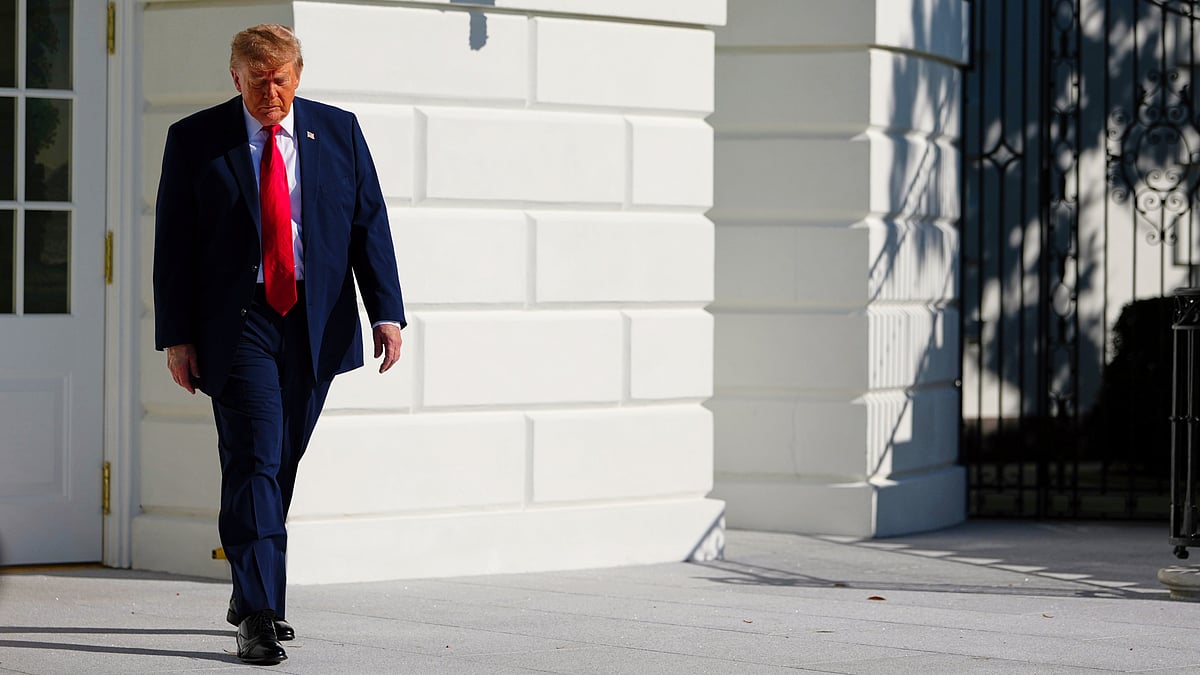
Next week, on 3 November, America will hold its midterm elections. They are so called because they are held in the middle of a president’s four-year term. American parliamentarians, called Congressmen, face elections every two years. A lame-duck president is a term used to describe a leader in his last two years in office, as Trump will be after 3 November. A lame duck is a leader whom the party recognises is riding into the sunset and who therefore finds it difficult to enforce his agenda.
Donald Trump will be especially lame if his party, the Republicans, loses control of one or both chambers of Congress. He will not be able to get the legislation he wants passed, secure the appointment of judges or get officials confirmed. Equally importantly, the Opposition can go after him and his family by opening investigations and then holding impeachment and other types of hearings.
The reason this election is interesting is that it will reveal something about human nature. The assumption of democratic systems is that individuals vote rationally and do not vote in tribal fashion. This means voters cast ballots in support of policies and not fantasies, particularly if the person they elect produces negative outcomes while in office.
Opinion polls suggest that Trump is one of the most unpopular US presidents in recent history. The majority of Americans, including those who voted him into office, think he is doing a poor job. This is revealed through something called an approval rating, conducted regularly by several reputable polling organisations. A question is asked, such as: ‘Do you approve or disapprove of the way President Trump is doing his job?’ Respondents say yes, no or that they are unable to say.
Trump’s approval rating is under 40 per cent, meaning that a significant majority of Americans disapprove of his performance. On his performance on the economy, which is asked about in a separate question, the numbers are worse.
This is not difficult to accept as true because the price of fuel has gone up and made things expensive since February and the war in Iran. Petrol in the US was Rs 75 per litre before the war and is today Rs 107. Diesel has jumped from Rs 90 to Rs 160. Inflation is higher than the Federal Reserve (their version of the RBI) wants it to be, and part of the reason is the tariff war that Trump began gratuitously on returning to power. Interest rates on home loans have gone up by a full percentage point.
Now, given that he has been in office since January last year and that his party controls both houses of Congress (and also has a conservative majority in the Supreme Court, whose judges are nominated by the president), there is nobody else to blame but Donald Trump if voters feel things haven’t turned out as they expected.
Trump has endorsed the current candidates over their Republican opponents, and therefore a vote for them is a vote for him and his policies. For this reason, the result of next week’s election will be interesting and give us some insight into how people vote.
If most of Trump’s candidates carry the day despite the manifest harm he has wrought on their everyday lives, it will be a vote for tribalism. This means a vote for considerations that defy material interests.
The other most interesting thing these elections will show is how the unpopularity of Israel among Americans will translate into an end to unconditional support for it. Many of the Democrats running in this cycle are staunchly anti-Israel, in keeping with the mood in America, which has turned sharply against Zionism.
In large part, this is due to the brave campaign last year run by New York mayor Zohran Mamdani, who was the first major American politician to support Palestinians and still win. The lobby group in America, called AIPAC, which had the ability to destroy anti-Israel candidates, has since been so thoroughly discredited that it has stopped endorsing candidates.
Assuming the Democrats carry the day, will they be able to end the structural support that Israel has long enjoyed? We will see, and one hopes that the answer is yes. Far too much damage has been done to humanity by Israelis, and stopping or slowing the transfer of weaponry and diplomatic support to them would make the world better.
Another reason for hoping that Trump’s team loses is, of course, that this mad war is affecting all of us, especially the one crore Indians in the Gulf and their families here. How insane all of it is can be judged by the fact that, with oil at over $115 a barrel (it was at $60 before the war), there is talk in Washington and Tel Aviv about restarting bombing and further damaging Iran’s and the Gulf’s infrastructure.
A Republican Party trounced next week will not back the Iran war as enthusiastically as it has so far.
The last thing to say here is that the two-year Congressional term is often criticised, rightly, because it means candidates are forever campaigning. But it is also true that the short cycle gives American voters a more frequent opportunity to correct the course of government when politicians do things that harm them.
For their sake, and for the sake of all of us, one hopes that is what they do this time and not simply show up to vote for their ideology.
Views are personal. More of Aakar Patel’s writing here
Join our official telegram channel (@nationalherald) and stay updated with the latest headlines