POLITICS
Bengal’s power changes, but does its political culture?
From TMC-era accusations to new BJP-era anxieties, the deeper story may be the persistence of fear and revenge politics
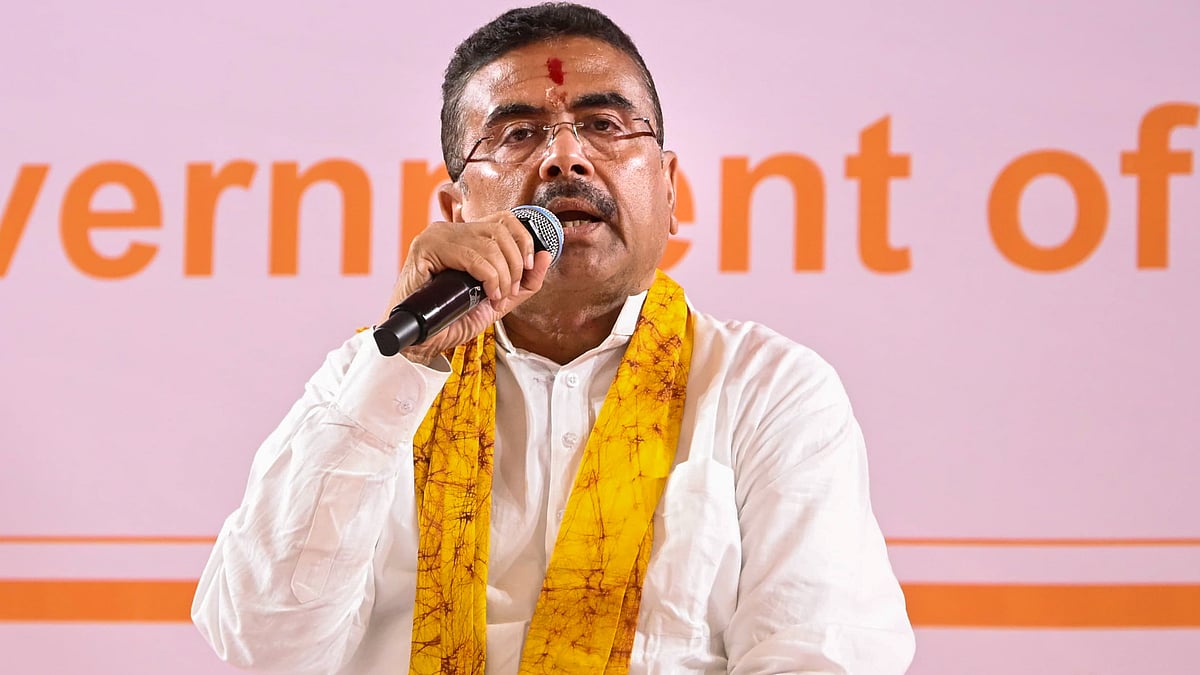
West Bengal is once again confronting painful questions about political violence, intimidation and the abuse of power — this time under a new BJP government that rose to power by condemning precisely those practices during the Trinamool Congress years.
For more than a decade, opposition parties, activists and ordinary residents accused sections of the TMC organisation of building a political culture where fear and loyalty often went hand in hand. Allegations ranged from post-poll violence and extortion rackets to land grabbing, intimidation of opposition workers and the protection of local strongmen.
The violence following the 2021 Assembly election remains one of the darkest episodes in recent Bengal politics. Human rights groups, BJP workers and several victims alleged attacks on homes, sexual violence, forced displacement and assaults against opposition supporters after the TMC returned to power. The BJP repeatedly accused the Mamata Banerjee government of failing to act against those responsible.
Banerjee consistently denied that violence was state-sponsored and accused the BJP of exaggerating incidents for political gain. Yet cases linked to post-poll violence, corruption and extortion involving local TMC leaders have continued to surface in court proceedings and police investigations.
Residents in several districts also complained for years about what became known locally as the 'cut-money' culture, where party-linked middlemen allegedly demanded payments for welfare benefits, construction work and local contracts. Critics accused sections of the TMC machinery of controlling civic tenders, transport syndicates and local police networks.
Families affected by political violence continue to speak publicly about their experiences. CPI(M) worker and election candidate Sabina Yasmin, whose 12-year-old daughter Tamanna Khatun was killed during unrest linked to the Kaliganj by-election, said her life and family "stand as living proof” of the insecurity ordinary people faced. Her remarks resonated with wider public frustration over recurring political clashes.
Now, less than two weeks after the BJP formed Bengal’s first BJP government under chief minister Suvendu Adhikari, familiar anxieties are resurfacing.
Several districts have already witnessed post-election clashes, arson, shootings and allegations of retaliatory attacks between rival political groups. At least four people were reportedly killed in violence after the election results.
Among the most shocking incidents was the killing of Chandranath Rath, a close aide of Adhikari, who was shot dead in Madhyamgram days after the results. BJP leaders described it as a “targeted assassination” and state BJP president Samik Bhattacharya called it a “planned political killing” intended to destabilise the state.
Adhikari, while appealing for calm, acknowledged Bengal’s long history of political revenge. “Politics of revenge has harmed Bengal for years,” he said, urging supporters not to retaliate.
But even as the BJP condemns post-poll violence, opposition leaders and civil society groups accuse sections of the party’s cadre of adopting some of the very methods the BJP criticised under TMC rule. Reports from parts of Kolkata, Khejuri, North 24 Parganas and other districts include allegations of intimidation, attacks on opposition workers, forced defections and vandalism of party offices.
The BJP leadership itself appears alert to that perception. Bhattacharya recently warned workers against what he called the “Trinamool-isation” of the BJP, reportedly instructing them not to seize opposition offices or become involved in extortion networks and syndicate politics. “There should be no repeat of the politics Bengal has suffered,” Bhattacharya said while urging restraint after post-poll clashes.
Concerns have also emerged over aspects of the new administration’s approach to policing and citizenship. The BJP government recently announced a drive to identify and deport suspected illegal Bangladeshi immigrants, with Adhikari declaring authorities would “detect, delete and deport” infiltrators. Critics fear such language could deepen communal tensions in sensitive districts.
Adhikari has also faced criticism over recent remarks concerning Muslims and Bangladesh. The TMC accused him of using inflammatory language and “hate speech”, allegations he rejected.
Meanwhile, former TMC leaders and local organisers claim they are being selectively targeted through police cases and raids under the new administration. Jahangir Khan, an erstwhile TMC MLA, approached the Calcutta High Court alleging fear of “coercive action” and politically motivated investigations.
For many residents, the change in government has not necessarily meant the disappearance of fear. Families in several affected areas reported fleeing their homes after clashes between rival groups. Others described a familiar post-election pattern: local political loyalties shifting rapidly after the change in power.
One resident in North 24 Parganas told reporters: “Earlier they carried TMC flags. Now the same people carry BJP flags. But the fear for ordinary people remains the same.”
Political analysts warn that Bengal risks falling into a familiar cycle in which one dominant political system is merely replaced by another. The concern, they argue, is not only who governs, but whether the entrenched structures of local intimidation, patronage and political retaliation remain untouched.
Join our official telegram channel (@nationalherald) and stay updated with the latest headlines