POLITICS
India-Canada uranium pact possible only because of 2008 nuclear deal: Cong
Jairam Ramesh links breakthrough to Manmohan Singh-era accord once resisted by BJP leaders
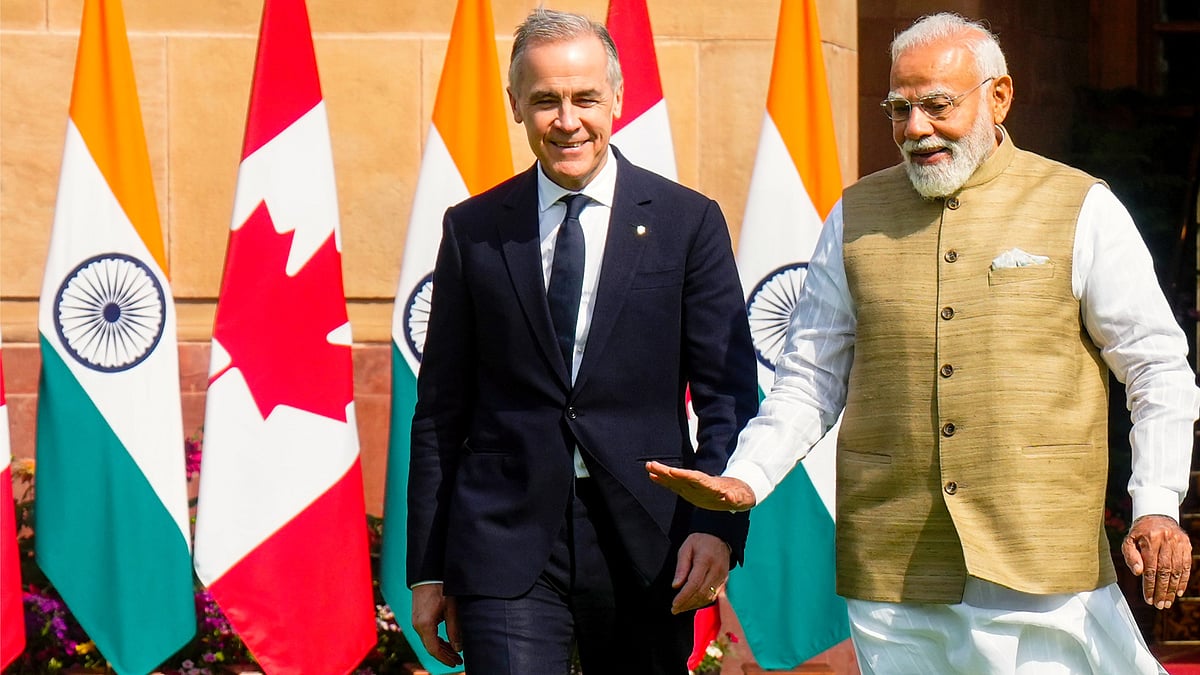
With India and Canada sealing a key agreement on uranium supply, the Congress on Monday said the breakthrough was rooted in the 2008 Indo-US civil nuclear deal — a pact it noted had faced strong opposition from senior BJP leaders at the time.
The uranium agreement was finalised after Prime Minister Narendra Modi held wide-ranging talks with his Canadian counterpart Mark Carney, with both sides also committing to deepen cooperation in critical minerals and advance negotiations on a Comprehensive Economic Partnership Agreement.
Congress Rajya Sabha MP and general-secretary (communications) Jairam Ramesh said the India–Canada pact includes provisions for uranium supply as well as collaboration on small modular reactors.
“In civil nuclear energy, we have signed a landmark deal for long-term uranium supply. We will also work together on small modular reactors and advanced reactors,” Modi said after the talks, while Carney described the agreement as a reflection of the two countries’ shared commitment to clean and reliable energy.
Ramesh framed the development as the outcome of a policy shift initiated nearly two decades ago. After India’s first commercial nuclear reactor was set up at Tarapur with US assistance, Canada played a key role in helping India establish heavy water reactors based on its CANDU (Canada Deuterium Uranium) design. However, Ottawa suspended nuclear cooperation after India’s 1974 Pokhran test.
According to Ramesh, the resumption of such engagement — culminating now in uranium supply — was enabled only after India secured international legitimacy for its civilian nuclear programme through the Indo-US nuclear agreement signed in October 2008.
“The agreement that Canada and India have signed today has been made possible ONLY because of the Indo-US Nuclear Agreement finally signed in Oct 2008. This agreement was ENTIRELY because of Dr. Manmohan Singh's insistence and persistence,” Ramesh said.
He also noted that the deal, which eventually paved the way for India to re-enter global nuclear commerce following a waiver from the Nuclear Suppliers Group, had faced stiff resistance from the BJP.
Then leader of opposition L.K. Advani had warned that the agreement could compromise India’s strategic autonomy. Senior leaders Yashwant Sinha and Arun Shourie were among the most vocal critics, arguing that the arrangement risked constraining India’s future nuclear testing options and placing parts of its nuclear programme under intrusive international safeguards.
The BJP opposed the deal in Parliament and voted against the UPA government during the 2008 trust vote triggered by the agreement.
Despite the political resistance — and the withdrawal of Left support that nearly brought down the government — then Prime Minister Manmohan Singh pushed the pact through, securing the NSG waiver that allowed countries such as Canada to resume civilian nuclear engagement with India after decades of estrangement.
It is this opening that ultimately enabled uranium supply arrangements to materialise.
The BJP has not yet responded to the Congress’ latest remarks linking the new agreement to a deal it once opposed.
With PTI inputs
Join our official telegram channel (@nationalherald) and stay updated with the latest headlines