POLITICS
Maharashtra tables anti-conversion Bill, opposition, civil groups raise objections
Proposed law seeks to curb forced religious conversions but critics call it an attack on privacy and women’s autonomy
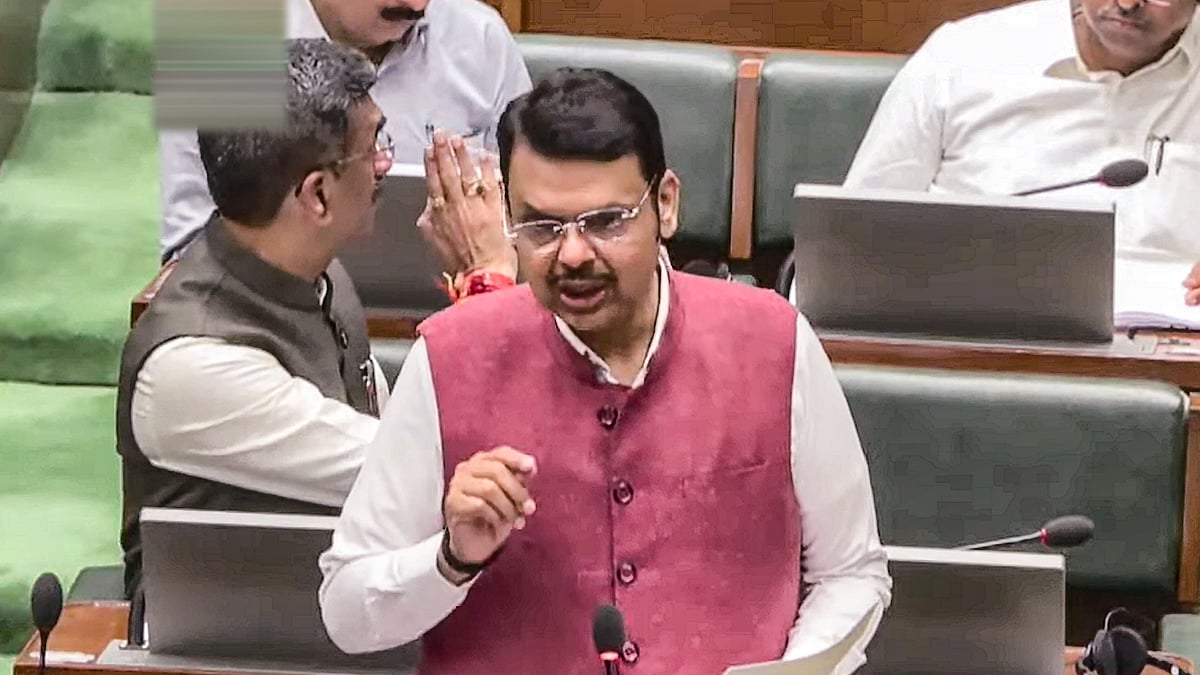
The Maharashtra government on Friday introduced the Maharashtra Religious Freedom Act, 2026 in the state Assembly, aimed at preventing religious conversions carried out through force, deception or inducement.
The draft legislation will be taken up for discussion in the Assembly on Monday. If passed, it will subsequently be introduced in the Legislative Council.
Soon after the Bill was tabled, Opposition leaders voiced strong objections. Jitendra Awhad, a legislator from the Sharad Pawar faction of the Nationalist Congress Party, criticised the proposed law and described it as a conspiracy by the ruling alliance.
Speaking to reporters at the Vidhan Bhavan complex, Awhad said while forced conversions were unacceptable, the government’s intentions behind the legislation were questionable. “Religious conversion is a matter of personal freedom. Forced conversion is invalid, but the motive behind this law is wrong,” he said.
The Bill had earlier been approved during a state cabinet meeting on 5 March. It was formally introduced in the Assembly on Friday by minister of state Pankaj Bhoyar.
However, opposition to the proposed law had begun even before it was tabled in the legislature. At a press conference on 11 March, a coalition of 35 civil society organisations and women’s rights groups criticised the cabinet’s approval of the Bill, calling it an attack on privacy and women’s autonomy.
The groups argued that the proposed legislation is rooted in the controversial 'love jihad' narrative and warned that they would challenge the law in court if it is passed by the Assembly.
Teesta Setalvad, founder of Citizens for Justice and Peace (CJP), said during the press conference that laws should be framed only after consultations with all stakeholders, particularly women, whose autonomy could be affected. She also said the concerns of minorities, including Dalits and Adivasis, must be taken into account.
Human rights lawyer Lara Jesani questioned the government over the lack of data supporting claims of forced religious conversions. “The government has not justified the need for this proposed law,” she said. “Do we have any reports or studies on forced conversions? Without that, we don’t know why such a law is necessary.”
The Bill proposes strict provisions governing religious conversion. Anyone intending to convert must inform the relevant authorities 60 days in advance and obtain official permission. After conversion, registration within 25 days will be mandatory; otherwise, the conversion will be considered invalid.
Those found guilty of carrying out conversions through force or fraud could face up to seven years in prison and a fine of up to Rs 5 lakh. The offence would be classified as non-bailable, and any blood relative of the person involved would be allowed to file a police complaint.
The state government has said the law is intended to prevent alleged 'love jihad' cases and to protect Hindu women.
With PTI inputs
Join our official telegram channel (@nationalherald) and stay updated with the latest headlines