POLITICS
No prosecution for previously-enrolled voters filing Form 6: EC to SC
EC has directed officials to facilitate voter inclusion through physical and online submissions, including reaching out to ASDD voters
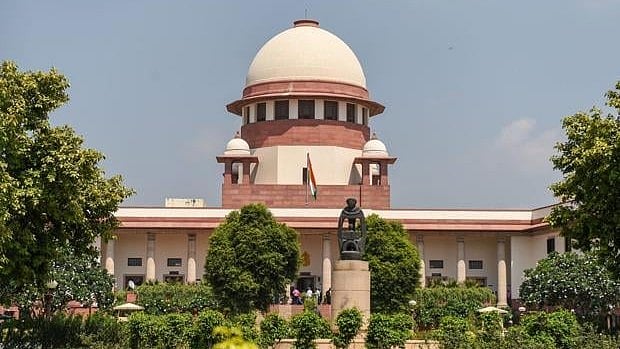
The EC told the Supreme Court that voters missing from draft electoral rolls despite previous registration can reapply through Form 6 without prosecution, subject to eligibility conditions
The EC has directed officials to facilitate voter inclusion through physical and online submissions, including reaching out to ASDD voters
The poll panel reiterated its commitment to ensuring eligible voters are included in the final rolls while preventing duplicate registrations
The Election Commission (EC) has informed the Supreme Court that voters whose names are missing from the draft electoral rolls despite being enrolled earlier can apply afresh through Form 6 without facing prosecution, provided they are not already registered in another Parliamentary or assembly constituency.
In an affidavit submitted before the apex court, the poll panel said it had issued a clarification to address concerns that such applicants could face legal action under Section 31 of the Representation of the People Act, 1950, for submitting Form 6 despite having been registered in previous electoral rolls.
The commission clarified that no prosecution would be initiated merely because an applicant's name appeared in an earlier electoral roll but was missing from the draft list prepared during the Special Intensive Revision (SIR). However, applicants must not already be enrolled in another constituency, and their declarations must comply with the law.
The EC also said chief electoral officers (CEOs) of the states and Union Territories where the SIR exercise is underway have been asked to publicise the clarification widely, including in local languages.
The poll panel further informed the Supreme Court that it had taken note of the court's suggestion to reach out to voters categorised as ASDD (Absent, Shifted, Dead or Duplicate) to ensure that eligible electors are not left out of the final electoral rolls.
As part of additional measures, the commission issued directions to the concerned CEOs through a communication dated 6 November 2026, allowing voters to submit duly completed Enumeration Forms (Annexure A) to the electoral registration officer (ERO), assistant electoral registration officer (AERO) or booth level officer (BLO) at their current ordinary place of residence.
Electors who have not shifted their residence can submit the signed Enumeration Form along with an Annexure-B statement explaining why they could not submit the form earlier.
The documents can be submitted in person or through family members. An online submission facility with e-signature will also be available through ECINET, the commission said.
The EC added that a mechanism would be established to ensure that no eligible voter loses the opportunity to have their name included in the final electoral roll, while preventing duplicate registrations.
Reiterating its commitment to maintaining the integrity of the electoral process, the commission acknowledged that the large volume of records and the digitalisation of electoral data posed significant challenges.
It said it would continue addressing discrepancies in voter lists while ensuring that all eligible citizens are able to exercise their right to vote.
The development comes after the EC defended its Special Intensive Revision (SIR) exercise before the Supreme Court, maintaining that the process was legally authorised and that the relevant orders had received unanimous approval from all three members of the Commission.
The poll panel also rejected allegations that Form 6 had been altered, stating in its response to a petition challenging the chief election commissioner (CEC) and the commission's decisions that no changes had been made to the statutory form used for voter registration.
With PTI inputs