POLITICS
Rajasthan civic poll results give BJP a jolt and a wake-up call
BJP barely holds ground in Rajasthan civic polls despite expectations of a sweep and intense campaigning
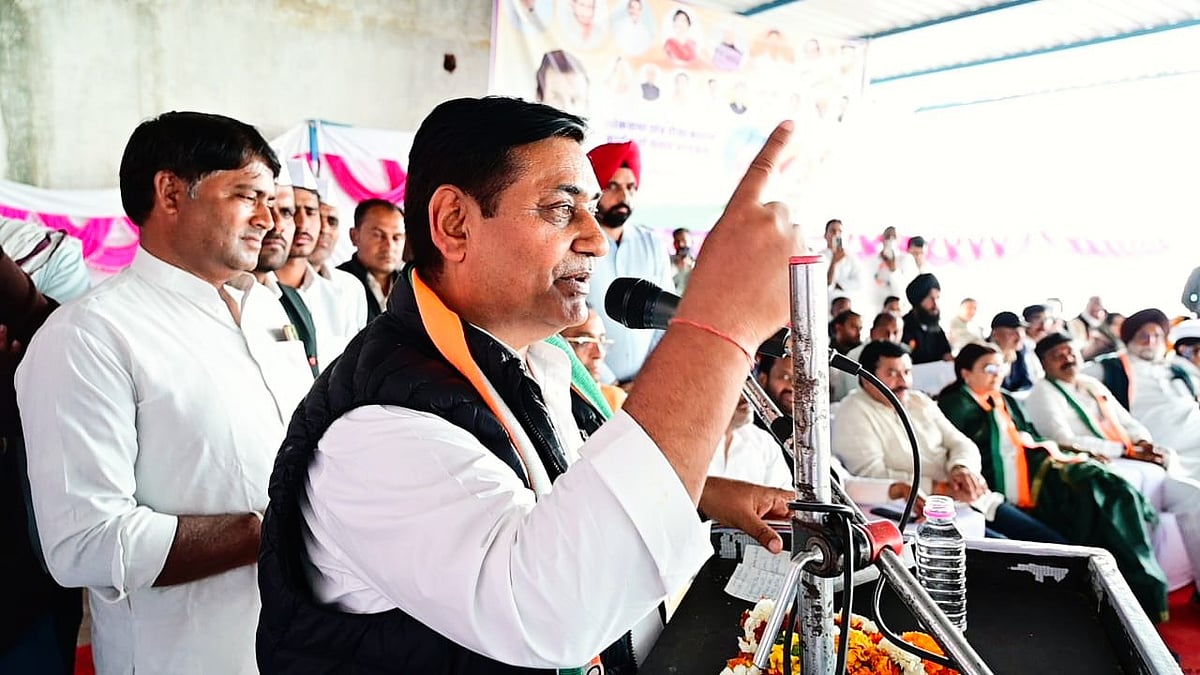
Results declared on Monday, 14 September, saw the BJP scrape through by securing a bare majority in four of the 10 municipal corporations. Reports from 309 urban local bodies and 10,120 wards across the state suggested that the BJP won 4,132 wards, while the Congress won 3,568. The victory of independents, many of them Congress and BJP rebels, as well as smaller parties, has come as a warning to the BJP. Panchayat polls are to follow, while the assembly election is due in 2028.
As the ruling party, the BJP was expected to win big, particularly in urban areas. The final result, however, showed a one-percentage-point gap in vote share between the Congress and the BJP, Rajasthan Pradesh Congress president Govind Singh Dotasra claimed. He predicted that the BJP would fare worse in the panchayat elections. He also alleged interference by ministers, bureaucrats and the police during counting, intimidation of Congress candidates and councillors, and gerrymandering of wards.
Dotasra alleged that the uneven delimitation of wards led to wards where Muslims, Dalits and OBCs dominated to be much larger than the rest. He found several pro-Congress wards with 20,000 voters while the pro-BJP wards had much smaller numbers. This was to ensure that traditional BJP voters were clustered together while traditional Congress voters were pushed into groups which were more varied and mixed.
What stands out is the BJP’s hard-fought ‘win’ despite the delimitation of wards to its advantage, the use of the state machinery and police, road shows by the chief minister Bhajan Lal Sharma and campaigning by all four union ministers from Rajasthan, Gajendra Singh Shekhawat, Arjun Ram Meghwal, Bhupender Yadav, and Bhagirath Choudhary. The RSS and party MPs were also pressed into the campaign following the intervention of the BJP Organising Secretary B.L. Santhosh. Teams of ministers and workers too were brought in from other BJP-ruled states to work for the party in power.
In a major setback to the chief minister, Independents wrested control of the corporation in Bharatpur, the chief minister’s home turf. While the BJP is set to form Boards in Jaipur, Udaipur, Bhilwara and Kota, Congress gained a majority in Bikaner. In the remaining corporations, independent candidates and smaller parties will play the role of kingmaker by aligning with either the Congress or the BJP. Rashtriya Loktantrik Party (RLP) has won in 63 wards, AAP in 42, CPI(M) in 38, BSP in 19 and Bharat Adivasi Party (BAP) in eight.
In the elections to 47 Municipal Councils (Nagar Parishad), the BJP was set to gain a majority in 21 bodies, while the Congress was headed for a win in 17. Of the 252 Municipalities (Nagar Palika), the BJP was ahead in 144 as against the Congress’s 92, with the Independents or other parties leading in the remaining Councils and Municipalities. In the 45-member Jhalawar Municipal Council, BJP won just 13 wards against the Congress’s 29. The region is considered a stronghold of BJP heavyweight and ex-CM Vasundhara Raje Scindia, who is an MLA from the district.
On the other hand, the Congress failed to hold any rallies where its top leaders shared the stage. The party’s state in-charge Sukhjinder Singh Randhawa has been absent from the poll campaigning.
The elections were held for 309 urban local bodies comprising 10 municipal corporations, 51 municipal councils and 248 municipalities. In the previous municipal election cycle, Rajasthan had 196 urban local bodies comprising 7,500 wards.
Mayors and chairpersons of the newly elected urban bodies will be elected on 21 September, followed by deputy mayors, deputy chairpersons and municipal vice-presidents the next day.
Join our official telegram channel (@nationalherald) and stay updated with the latest headlines