POLITICS
Rajasthan delaying local body polls under ‘One State, One Election’ pretext: Congress
Govind Singh Dotasra alleges the delay is crippling grassroots governance, stalling development and weakening local democracy
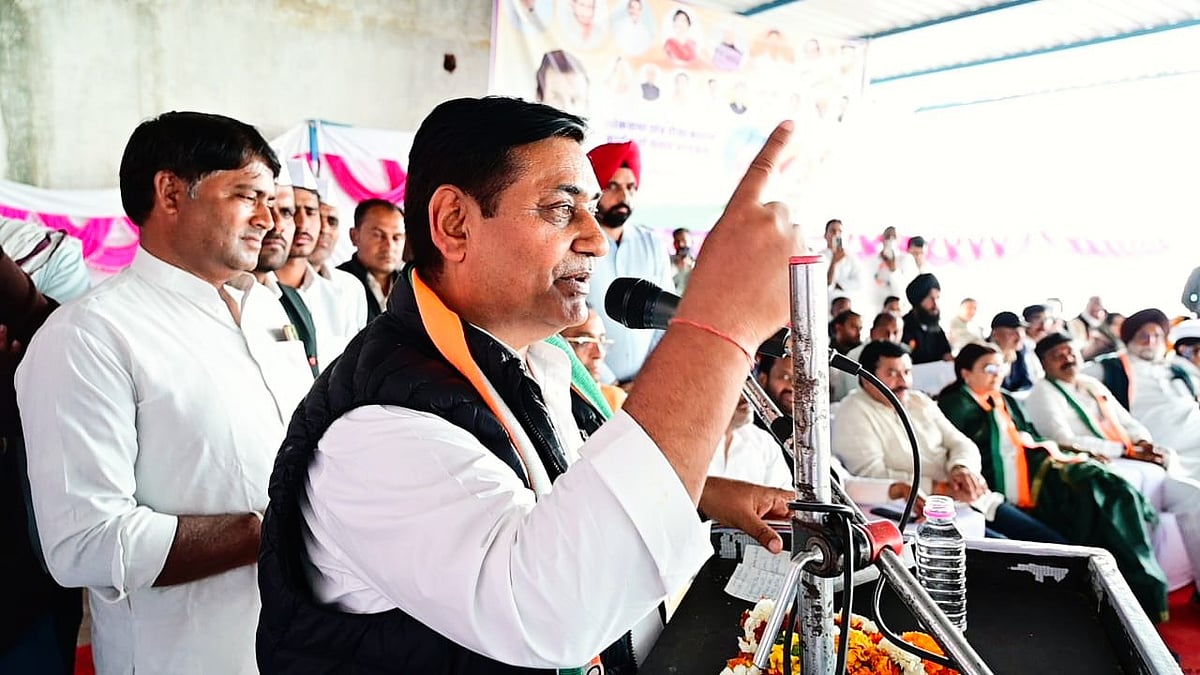
The Rajasthan Congress on Tuesday mounted a sharp offensive against the BJP-led state government, accusing it of cloaking political delay in the rhetoric of “One State, One Election” to indefinitely postpone panchayati raj and urban local body polls.
At a charged press conference, Congress state president Govind Singh Dotasra alleged that the prolonged delay had paralysed grassroots governance, stalled development works and eroded democratic accountability at the village and municipal levels. He argued that the idea of holding simultaneous elections was, in practice, “deeply flawed and impractical”, pointing out that the terms of several panchayat samitis and zila parishads extend until December 2026.
Dotasra claimed that despite the expiry of official timelines, the final publication of ward delimitation lists had not been completed in a single district, bringing the preparation of electoral rolls to a standstill. “This clearly shows that the state government has no intention of conducting panchayat elections,” he said, accusing the administration of dragging its feet while paying lip service to reform.
Escalating the attack, the Congress leader alleged that Rajasthan had been deprived of nearly Rs 3,000 crore in central funds due to the failure to hold panchayat elections. He further claimed that the state government was now attempting to hurriedly push through the process in violation of established rules, while exerting political influence over ward delimitation to tilt electoral outcomes in the BJP’s favour.
The BJP hit back swiftly. State party president Madan Rathore dismissed the Congress allegations as baseless and politically motivated, launching a personal counterattack on Dotasra.
Rathore firmly rejected claims of political interference, stressing that the delimitation exercise is conducted strictly by the Election Commission, without any role for the state government or ruling party.
As the war of words intensifies, the impasse over local body polls continues, leaving Rajasthan’s grassroots institutions caught between competing political narratives and an uncertain electoral calendar.
With PTI inputs
Join our official telegram channel (@nationalherald) and stay updated with the latest headlines