POLITICS
Supreme Court issues directions to ease BLO workload in SIR exercise
Kapil Sibal calls the pressure on BLOs a “harsh reality” and questions the rush in states like Uttar Pradesh
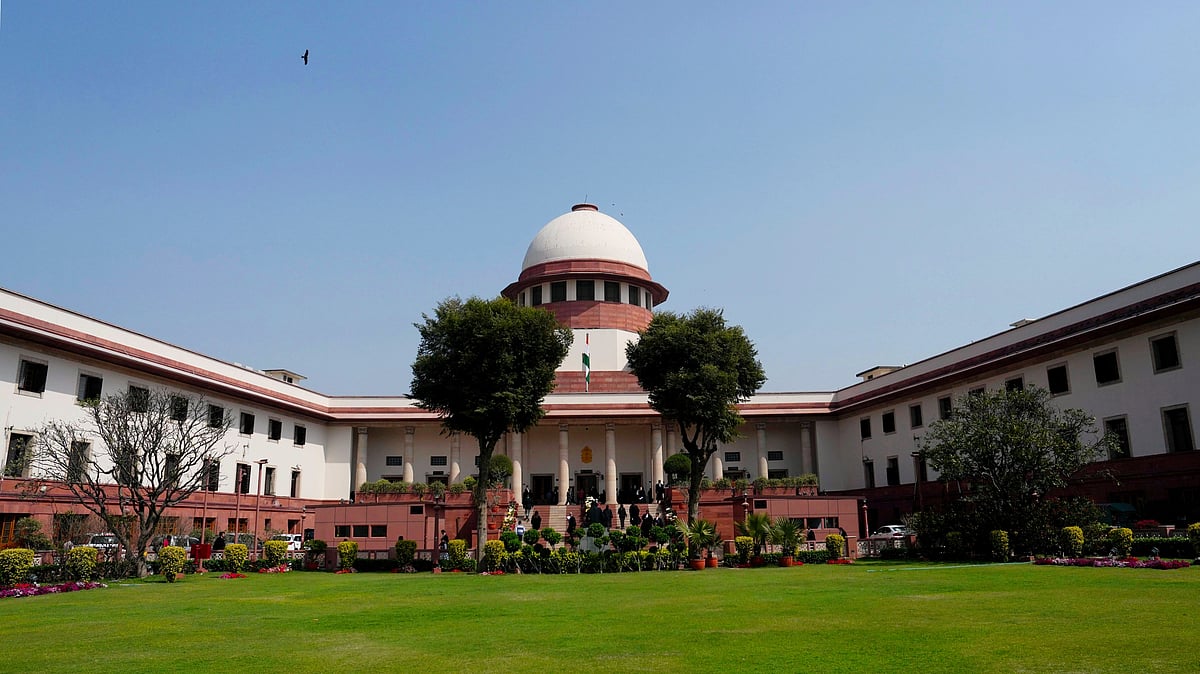
The Supreme Court on Thursday unfurled a series of firm but compassionate directions aimed at easing the crushing burden on booth level officers (BLOs), who form the backbone of the Election Commission’s ongoing Special Intensive Revision (SIR) across several states. The intervention came amid troubling reports of mounting stress, FIRs, and even deaths among ground-level staff entrusted with the exhaustive enumeration exercise.
A Bench led by Chief Justice of India Surya Kant, with justice Joymalya Bagchi, observed that while state-deputed employees are duty-bound to support the ECI, governments cannot remain indifferent when BLOs are pushed to the brink. The court suggested that states supply additional manpower to lighten workloads and reduce working hours proportionately.
In a humane note, the Bench directed that employees with specific and genuine hardships must be considered for exemption on a case-by-case basis — though state authorities must ensure that no withdrawal of staff occurs without proper substitutes.
The court was hearing a plea by Tamilaga Vettri Kazhagam (TVK), led by actor-politician Vijay, which sounded a stark alarm: 35–40 BLOs across India have allegedly died due to unrelenting work pressure during the SIR. The application painted a grim mosaic of suicides and sudden deaths spanning Tamil Nadu, Kerala, West Bengal, Gujarat, Rajasthan, Madhya Pradesh and Uttar Pradesh, attributing them to “unreasonable workloads, intimidation, and threat of criminal action”.
Senior advocate Gopal Sankaranarayanan, representing TVK, told the Bench of heartbreaking instances — Anganwadi workers and teachers being sent for SIR duties before and after regular work hours, FIRs filed under Section 32 of the Representation of the People Act, and, most tragically, a young man denied leave for his own wedding who later took his life. “This is not how the system should function,” he said emphatically.
Kapil Sibal, appearing separately, underscored that the pressure on BLOs was not anecdotal but a “harsh reality”, questioning the frenetic pace imposed in states like Uttar Pradesh with its vast electoral rolls. “Why this hurry?” he asked.
The Election Commission, through senior advocate Maninder Singh, rejected the allegations as “baseless”, arguing that reluctance from BLOs to perform statutory duties had forced the Commission’s hand in initiating criminal action.
The Bench, however, adopted a balanced tone, reminding both the Commission and state governments that neither can proceed without the other. It clarified that employees facing genuine difficulties — illness, pregnancy, or similar challenges — must be replaced promptly and sensitively.
On the reported fatalities, the court said claims for ex gratia compensation could be taken up at the appropriate stage, ensuring that the grief of affected families does not go unaddressed.
In a fraught moment for tens of thousands of BLOs, the Supreme Court’s directions offered a measure of relief — a reminder that democracy’s foot soldiers cannot be left to bear its heaviest burdens alone.
With IANS inputs
Join our official telegram channel (@nationalherald) and stay updated with the latest headlines