


Israel instructs mass evacuations in southern Lebanon as strikes intensify near Beirut
Residents told to move north of Litani River; Hezbollah claims fresh attacks amid fears of wider regional escalation
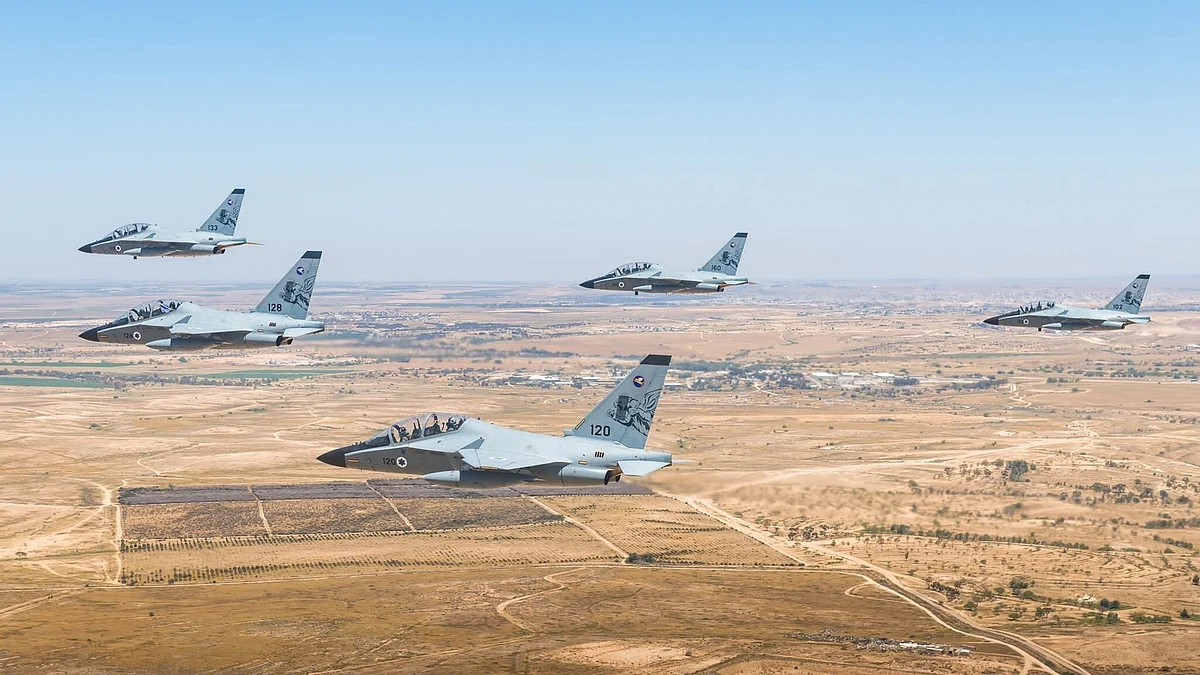


Israel’s military on Wednesday instructed residents of dozens of villages in southern Lebanon near the Israeli border to leave their homes “immediately”, as airstrikes intensified around Beirut and Hezbollah said it had carried out new attacks on Israeli targets.
The evacuation directive comes as Lebanon becomes increasingly entangled in the broader Middle East conflict that erupted after recent US-Israeli strikes on Iran. Hezbollah, which is backed by Tehran, fired rockets and drones into northern Israel earlier this week, prompting Israeli retaliatory strikes across several parts of Lebanon.
Lebanese officials say the Israeli bombardment has killed more than 50 people and injured roughly 300 since Monday. The escalation has forced tens of thousands of residents to flee areas in southern Lebanon, the Bekaa Valley in the east and Beirut’s southern suburbs.
In a statement on Wednesday, the Israeli military told residents in dozens of villages near the border to move north of the Litani River without delay.
The Israeli army’s Arabic-language spokesperson also warned on the social media platform X that anyone remaining south of the river would be putting themselves in danger.
The Litani River runs across southern Lebanon and the territory south of it, which lies along the border with Israel, accounts for roughly eight per cent of the country’s land area. Lebanese authorities have previously said Hezbollah fighters had been removed from the zone in recent months.
The evacuation order followed a series of Israeli airstrikes carried out overnight in several areas around the Lebanese capital.
One strike hit a hotel in the Hazmieh district, a mainly Christian suburb southeast of Beirut. Additional strikes struck the towns of Aramoun and Saadiyat, located south of the city’s international airport, killing six people and injuring eight.
Another attack targeted the eastern city of Baalbek, leaving six people dead and 15 wounded, according to Lebanon’s state-run National News Agency.
Officials said the strikes occurred without advance warning, which is often interpreted as an indication that specific individuals were being targeted. Security officials speaking anonymously said the strike in Hazmieh was aimed at a local figure linked to the Beirut suburb of Ghobeiri. The target was reportedly wounded.
Residents described the panic that followed the blast.
“We live in a country where a missile can fall on your head at any moment,” said Maggie Shibli, whose husband owns the Hotel Comfort in Hazmieh that was struck early Wednesday.
Abbas Najdeh, who had fled the southern port city of Tyre and was staying at the hotel, said the explosion hit while his family was asleep.
“We were sleeping then suddenly I, my children and my wife were thrown away,” he said.
Later on Wednesday, the Israeli military issued further warnings instructing residents to evacuate buildings in Beirut’s southern suburbs shortly before additional airstrikes were reported there.
Hezbollah said it had carried out multiple attacks on Israel during the day, including two operations involving precision-guided missiles.
The intensifying shelling has raised concerns that Israel could be preparing for a wider ground operation in southern Lebanon.
Israeli troops entered parts of southern Lebanon on Tuesday for the first time since a ceasefire ended the 14-month war between Israel and Hezbollah in November 2024.
Lebanon’s National News Agency reported Israeli artillery strikes on border communities including Aid al-Shaab and Beit Lif.
In eastern Lebanon, authorities temporarily shut the main crossing into Syria on Wednesday after receiving warnings of a possible Israeli strike. Officials later said the warning turned out to be a false alarm.
Similar alerts in other parts of Beirut and Lebanon have heightened fears among residents already displaced by the fighting.
The current escalation is the latest chapter in the long-running confrontation between Israel and Hezbollah.
The Lebanese militant group began firing rockets toward Israel one day after the Hamas-led attack on southern Israel on 7 October 2023 that triggered the war in Gaza.
Months of sporadic cross-border fighting eventually escalated into a full-scale war in September 2024, leading Israel to launch a ground invasion of Lebanon.
Under a ceasefire agreement brokered by the United States later that year, Israeli forces withdrew from most of southern Lebanon but retained control of five positions along the border.
Since then, Israel has continued to carry out regular strikes in Lebanon, saying Hezbollah has been attempting to rebuild its military positions in the south.
Join our official telegram channel (@nationalherald) and stay updated with the latest headlines