POLITICS
SC notice on plea challenging merger of six Sena (UBT) MPs with Shinde faction
Top court seeks responses from Lok Sabha speaker and rebel MPs but declines to stay recognition of the merger under anti-defection law
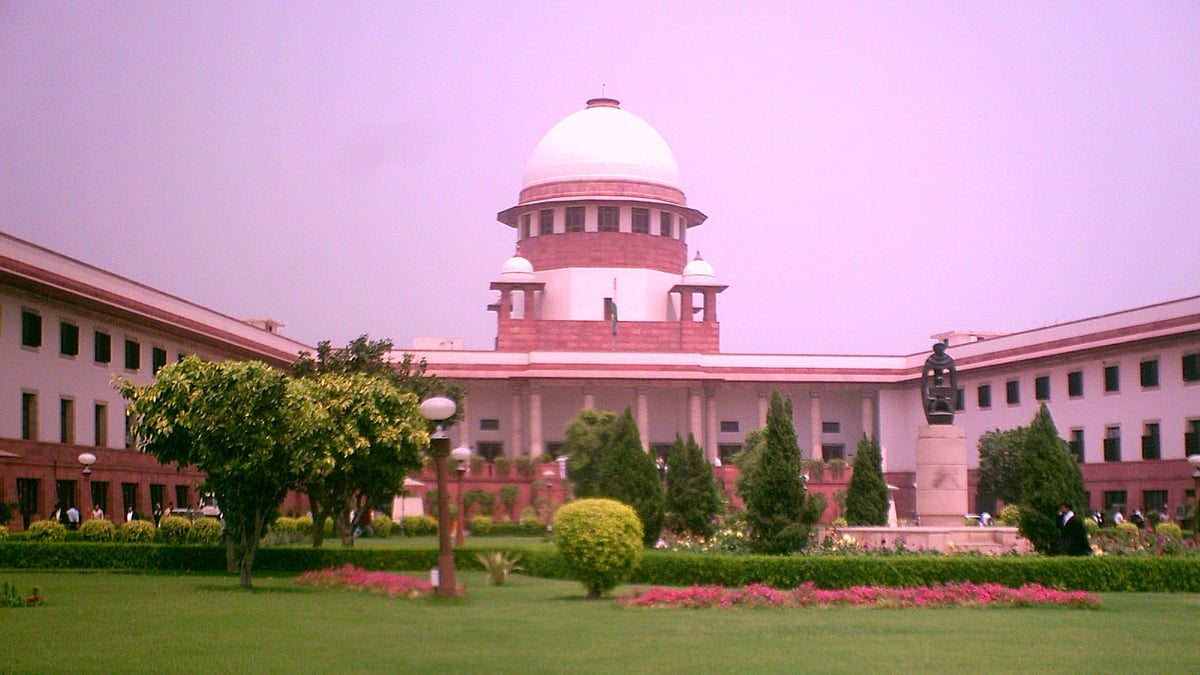
The Supreme Court on Wednesday issued notices to the Lok Sabha speaker's office and six MPs who left the Shiv Sena (UBT) to join the Eknath Shinde-led Shiv Sena, while hearing a petition challenging the recognition of their merger under the anti-defection law.
A Bench of justices P.S. Narasimha and Alok Aradhe sought responses from the Lok Sabha speaker, the joint secretary of the Lok Sabha secretariat and the six MPs, and scheduled the matter for further hearing after two weeks.
However, the court declined to stay speaker Om Birla's decision recognising the merger.
The petition has been filed by Shiv Sena (UBT) leader and Lok Sabha MP Arvind Sawant, who has challenged the Speaker's order recognising the merger under Paragraph 4 of the Tenth Schedule to the Constitution.
Sawant argued that the decision had significantly weakened his party's parliamentary presence by reducing its strength in the Lok Sabha from nine MPs to three. He contended that the merger provision under the anti-defection law could not be invoked because there had been no merger of the original political party with the Shinde-led Shiv Sena.
According to the petition, legislators cannot independently engineer a merger of a political party. Instead, they can only choose whether to accept or reject a merger initiated by the original political party.
The dispute arose after six of the nine Shiv Sena (UBT) Lok Sabha MPs claimed they constituted the required two-thirds of the legislature party and sought recognition of their merger with the Shinde faction, invoking the merger exception under the Tenth Schedule to avoid disqualification.
Before the speaker's decision, the Uddhav Thackeray-led party had opposed the move, maintaining that no merger of the original political party had been authorised or approved by its leadership. Despite those objections, the Speaker recognised the merger, following which the six MPs ceased to be members of the Shiv Sena (UBT) Parliamentary Party.
Separately, senior advocate Kapil Sibal has filed a writ petition in the Supreme Court seeking a fresh interpretation of Paragraph 4 of the Tenth Schedule. He argued that the current interpretation allows breakaway groups of legislators to evade disqualification by claiming mergers, undermining the objective of the anti-defection law.
Mentioning the matter before a Bench led by Chief Justice of India Surya Kant, Sibal said the existing position risked rendering the Tenth Schedule ineffective if left unchanged.
With IANS inputs
Join our official telegram channel (@nationalherald) and stay updated with the latest headlines