Sports
Ben Stokes: The flawed genius England cricket will miss badly
Unanswered questions remain as to whether ECB could have handled the recent 'Chelsea episode' better
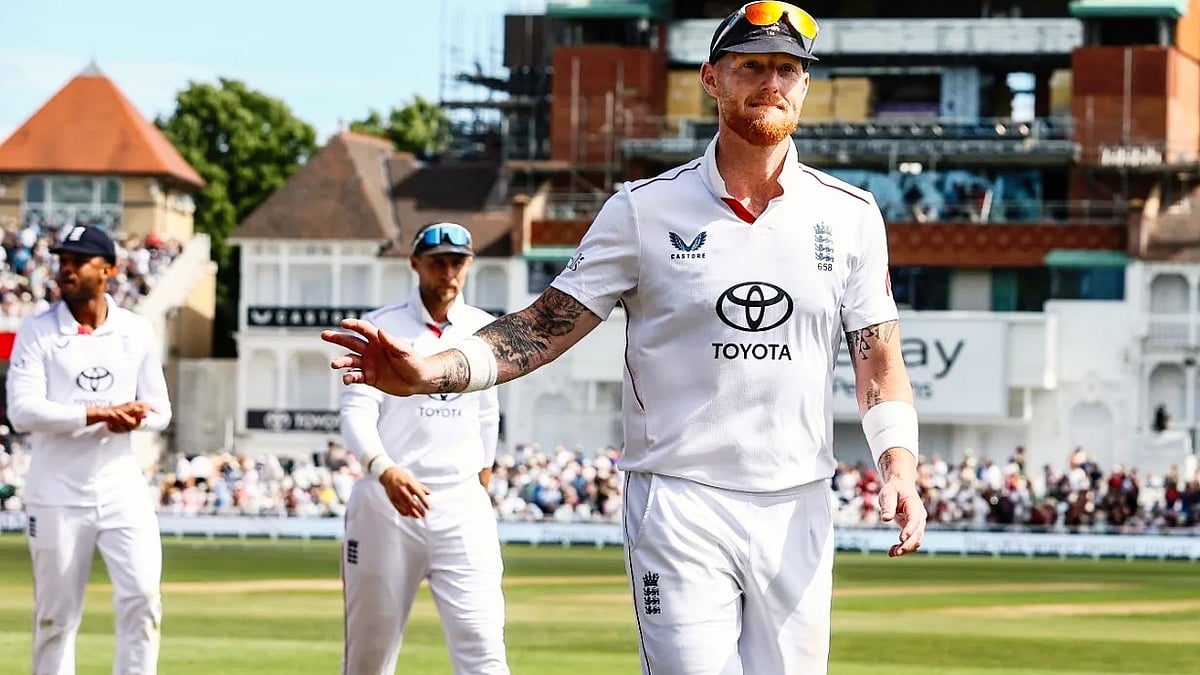
The last international innings of Ben Stokes as a batter was not a memorable one. Opening the innings in a tricky chase against New Zealand on Sunday, 28 June, he swung merrily before falling for a cameo of 30 from 20 deliveries. Of course, the England Test captain could not have cared less after announcing his retirement from all forms of international cricket with immediate effect earlier in the day.
The stage for arguably England's greatest all-rounder since Ian Botham to walk away ought to have been grander — ideally during The Ashes later this year Down Under. That was the arena where Stokes produced one of his superhuman efforts at Headingley in 2019. But the larger-than-life character was clearly done with his dealings with the country's uptight cricket establishment, with little motivation left to carry on.
It was not the first time that Stokes had found himself in the eye of a storm. The most conspicuous episode came in 2017, when he was arrested outside a Bristol nightclub following a brawl. The latest came after England's first Test win, when Stokes and pace bowler Gus Atkinson breached the team's curfew during a night out at a Chelsea nightclub. Though Stokes was later cleared of any involvement in the altercation that followed, the ECB made an example of the pair by dropping them for the second Test, with Joe Root named stand-in skipper.
The punitive measure must have been bruising for the temperamental star's ego. His career had been dogged as much by injuries as by mental battles. In 2021, Stokes — by then an Ashes winner and Player of the Match in the 2019 ICC World Cup final — took a prolonged break from the sport following the death of his father Ged from brain cancer, compounded by the immense strain of living through the Covid pandemic in bio-secure bubbles.
For someone who always dared to look opponents in the eye and relished a fight on the field, Stokes had an underlying vulnerability that required astute management and emotional security. That was perhaps what he found missing during the home series, ultimately helping him make up his mind. If his pre-match press conference at Nottingham was any indication, the decision had already been made.
Rumours that Stokes was preparing to announce his exit gathered pace after the ECB confirmed that he and Atkinson were being investigated and referred to the Cricket Regulator. That was possibly the final straw.
"There's something I know is going to happen over the next two days... this is my last two days as your captain, and my last two days representing England," he told the dressing room, trying to sound matter-of-fact while struggling to conceal his emotions.
"Reasons can wait (as to) why but I've had many trips to the well before for this team, for you blokes, for people beforehand and I've got one more trip to do. The only thing that I ask, please, is can everyone else please just do the same?"
The reference could well have been to the way he had repeatedly put his body on the line, battling injuries and returning to bowl whenever the team needed him.
There may be no manual for those who govern cricket on how to deal with characters like Stokes, Andrew Flintoff or, back in the day, Brian Lara and the late Shane Warne. Match-winners like them need greater understanding from coaches, mentors and even administrators before the channels of communication break down irreparably. If there was one person in the dressing room who could perhaps have played a more proactive role, it was head coach Brendon McCullum.
During nearly five years together, Stokes the captain and Stokes the performer walked hand in hand with the former New Zealand captain in laying down the tenets of their 'Bazball'. The results ranged from spectacular victories to embarrassing defeats, but Stokes — much to his credit — never wavered in his faith in Baz or in the courage of their convictions.
Yes, an embarrassing and rare Test series defeat may lie in store for England in his farewell series, but that does not diminish Stokes' contribution to English cricket. It amounted to far more than 7,228 runs in 121 Tests or 246 wickets, not to mention several match-winning performances in white-ball cricket.
The greatest sense of loss lies in the fact that they do not make men like Ben Stokes very often in today's game.
Join our official telegram channel (@nationalherald) and stay updated with the latest headlines