Sports
CWG: Future tense as a budget edition all set to unfold at Glasgow
Growing lack of relevance, apathy from bidding cities pose a serious threat to future
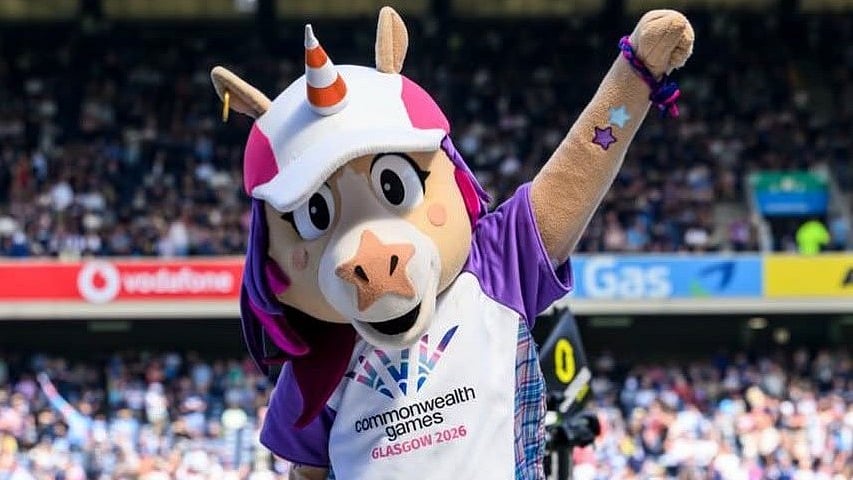
Come Thursday (23 July), a truncated version of the Commonwealth Games is set to get going in Glasgow—though not really accompanied with a great deal of anticipation. The familiar buzz of whether the Games, a sporting extravaganza of countries under the erstwhile British commonwealth, has lost it’s relevance is in the air again.
For the Indian sports fan though, there is a lot to look forward to on a number of fronts. After finishing fourth on the final medals tally in Birmingham 2022, Neeraj Chopra & Co will look at it as a dress rehearsal ahead of the Asian Games in September. They have also been confirmed as hosts of the centenary edition in 2030, but it would be all but impossible for them to match the 61-medal haul of four years back as most of their areas of strength like hockey, wrestling, badminton, table tennis and cricket have been dropped from the so-called budget edition.
What is going to unfold over the next 10 days is almost an apology of the Games with 10 core events—instead of the normal 18 to 20 disciplines— not by choice but as an improvisation for the short notice in which Scotland had agreed to step in as hosts barely two years back with the future of the edition in jeopardy. This is not the first time as Birmingham did the same for 2022 after Durban stepped out of the race due to financial constraints while for 2026, Victoria dumped the Games after winning the rights without any competition.
No wonder, India had to only express their interest for the 2030 edition for the apex body of the Games to award it to them last November—possibly breathing a sigh of relief. One wonders whether the CWG federation is looking at a future beyond the India edition as there are no prizes for guessing that it may have become untenable to market the Games to the broadcasters and attract top dollars from commercial partners.
It will be no exaggeration to say that the Games is now seen more as a fading legacy of the British hegemony. A line-up comprising of Australia, toppers last time, England, Canada, India or South Africa looks modest at best and a far cry from the level of competition which the Asian Games will offer in two months’ time. The CWG cycle and that of Asiad always coincides—which effectively means sponsors will be hard pressed to keep aside a slice of the budget for CWG.
When Victoria pulled out of 2026 edition, Hans Westerbeek, a professor of international sports business at Victoria University, felt it all boiled down to the lack of marketability. ‘’The host of Olympic Games know how much money they will receive from the IOC in terms of a support fund for the local organisation,’’ he said in an interview. ‘’Whereas the Commonwealth Games still are in the process of finalising their media contract in uncertain and insecure revenue streams that can make or break the finalisation of their budget.’’
The other factor is the so called major sporting powers in the CWG field like Australia, England and Canada often don’t send their best—diluting the saleability of it further. At a time when even the Summer Olympics is looking at avenues to cut corner, it’s certainly future tense for the CWG.
Only time can tell what the future holds. Meanwhile, as they say, let the show begin.
Join our official telegram channel (@nationalherald) and stay updated with the latest headlines