


Air India weighs cost cuts as losses deepen amid West Asia turmoil
Tata-backed carrier is considering furloughs and delayed bonus payments as rising fuel costs and airspace disruptions strain operations
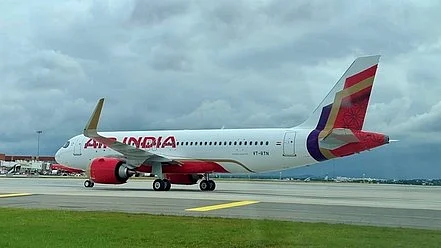


Air India’s board has discussed a range of cost-cutting measures, including possible employee furloughs and delayed bonus payments, as the Tata Group-backed airline struggles with mounting losses and rising operational costs linked to the ongoing conflict in West Asia.
According to reports, the meeting at the airline’s headquarters in Gurugram lasted for more than three hours and focused on the carrier’s financial position, expense rationalisation plans and operational challenges.
The airline is understood to be evaluating several austerity measures to contain costs as rising Aviation Turbine Fuel (ATF) prices and restricted airspace in parts of West Asia continue to disrupt operations and increase expenditure.
Among the proposals discussed were temporary unpaid leave for employees and the deferment of performance-linked bonuses, which form part of staff compensation packages.
Air India has faced a sharp rise in operating expenses in recent months, largely due to longer flying routes and higher fuel consumption caused by geopolitical tensions in the region.
The board also reviewed the airline’s financial performance for 2025-26 and discussed succession planning ahead of a leadership transition at the company.
Chief executive officer and managing director Campbell Wilson is expected to step down later this year and is scheduled to address employees during a townhall meeting on Friday.
Reports estimate that the Air India Group posted losses exceeding Rs 22,000 crore in the financial year ending March 2026.
The financial strain at Air India reflects a broader crisis unfolding across the Indian aviation sector. In April 2026, the Federation of Indian Airlines warned the government that several major carriers, including Air India, IndiGo and SpiceJet, were facing severe operational stress that could eventually threaten their ability to continue operations.
The industry body attributed the worsening situation primarily to soaring ATF prices triggered by escalating tensions in West Asia, as well as rising operational costs linked to rerouted flight paths and airspace restrictions.
The sector’s current difficulties have also been compounded by longstanding structural and operational issues. Both Air India and IndiGo have faced regulatory scrutiny, operational disruptions and management challenges in recent years, including those linked to leadership transitions and safety-related concerns.
Together, Air India and IndiGo account for more than 90 per cent of India’s domestic aviation market, underlining the industry’s dependence on a handful of dominant carriers.
Aviation industry executives have increasingly sought urgent government intervention and financial relief measures, warning that continued pressure on airline finances could affect national connectivity and disrupt broader economic activity.
The turbulence has also affected international aviation markets. Last month, Air India Express restored services to Qatar and Bahrain while expanding operations across the UAE, Oman and Saudi Arabia from April 30, despite persistent uncertainty in the region.
Meanwhile, media reports indicated that Dubai International Airport recorded a significant decline in passenger traffic in March as regional instability disrupted travel demand and flight schedules.
With IANS inputs
Join our official telegram channel (@nationalherald) and stay updated with the latest headlines