


Is the EU–India FTA a breakthrough or a balancing act?
Regulatory hurdles, tariff sensitivities and disputes over standards could blunt the impact of the landmark agreement
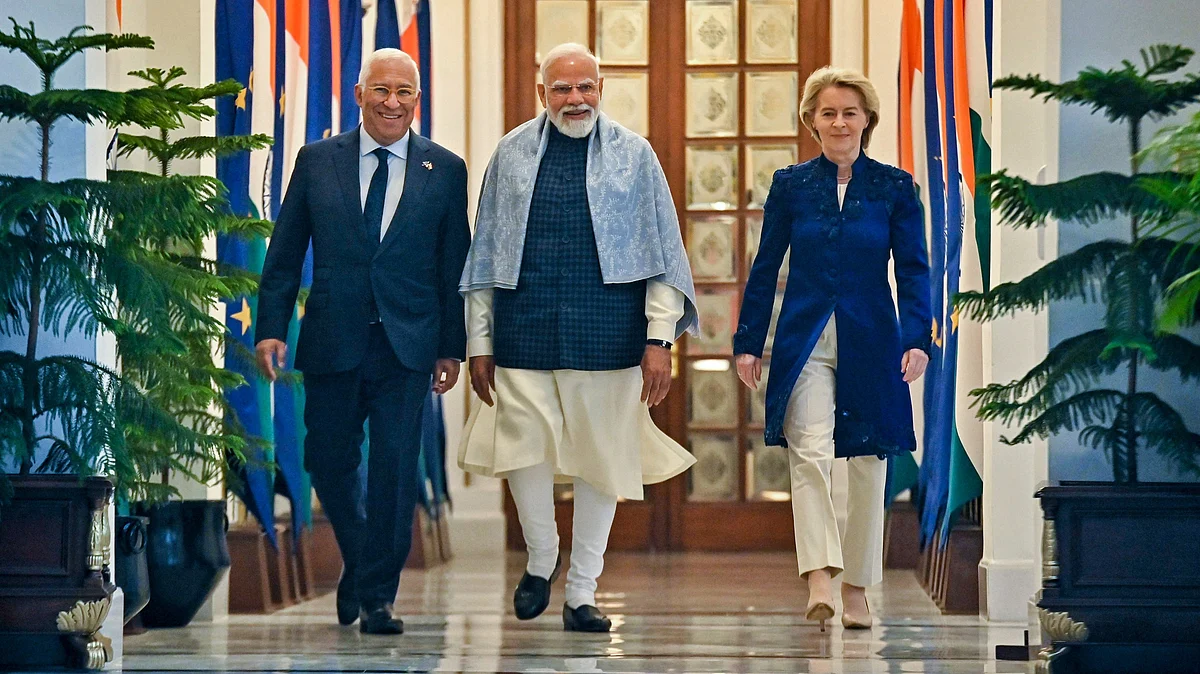


The European Union and India may have concluded negotiations on a long-awaited free trade agreement (FTA, but translating the ambitious pact into tangible gains will be far from straightforward, with regulatory barriers, sensitive sectors and political constraints posing major challenges.
The European Commission has hailed the deal, finalised on 27 January, as the most ambitious trade opening India has ever granted a partner. It estimates the agreement will double EU merchandise exports to India by 2032, eliminate or reduce tariffs on 96.6 per cent of EU goods and save European exporters around €4 billion annually in duties.
Yet for Indian exporters and policymakers, concerns remain that the benefits of tariff liberalisation could be eroded by stringent European regulations. Measures such as the EU’s Carbon Border Adjustment Mechanism (CBAM) and the EU Deforestation Regulation (EUDR) impose significant compliance costs on exporters of steel, aluminium and agricultural products.
These non-tariff barriers are expected to be particularly burdensome for small and medium-sized enterprises and sectors reliant on smallholder farmers, where traceability and reporting requirements are difficult to meet.
Tariff liberalisation itself has also been a sensitive issue. While the EU has pushed for broad market access, India has resisted full tariff cuts across more than 95 per cent of goods, seeking to shield key domestic industries. Automobiles, dairy, wine and spirits remain politically and economically sensitive, and are likely to be subject to long phase-out periods, quotas or partial exemptions rather than immediate liberalisation. Agriculture and dairy, in particular, are expected to remain largely outside the scope of the agreement.
Differences over intellectual property rights and regulatory standards have added further friction. Brussels has pressed for stronger enforcement of intellectual property, closer alignment on data protection and robust sustainability chapters.
India, however, has been wary of commitments that could undermine its generic pharmaceuticals industry or constrain its development priorities through rigid environmental rules. Proposals on dispute settlement mechanisms and the opening up of legal and accountancy services have also proved contentious.
Beyond trade mechanics, political hurdles remain. Human rights concerns and Europe’s own climate commitments could complicate ratification in some EU member states, even as geopolitical pressures, including uncertainty over US trade policy and tariffs under President Donald Trump, push both sides towards closer economic ties.
Supporters of the agreement argue that, despite these challenges, the deal sends a strong signal of strategic alignment between the world’s second- and fourth-largest economies. Critics counter that without careful calibration, the FTA risks favouring large corporations while leaving smaller firms struggling with compliance costs and uneven market access.
As the negotiated texts move towards legal scrutiny, translation and eventual ratification by the European Parliament, EU Council and India’s own processes, the focus is shifting from headline ambitions to the hard realities of implementation.
Whether the agreement ultimately delivers on its promise will depend on how flexibly both sides manage regulatory demands, protect vulnerable sectors and reconcile economic openness with domestic political constraints.
With agency inputs
Join our official telegram channel (@nationalherald) and stay updated with the latest headlines