


Rupee recovers from record low as dollar weakens ahead of Fed cues
Currency gains 10 paise in early trade but remains under pressure from global risks and capital outflows
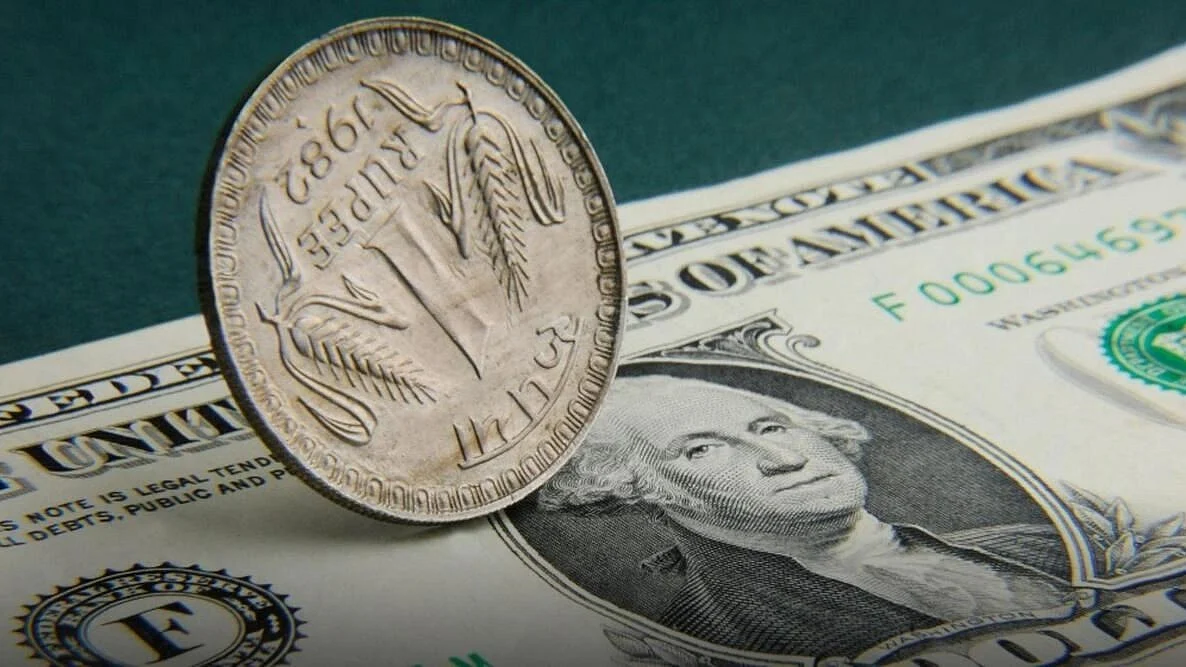


The rupee edged higher in early trade on Tuesday, recovering from record low levels to strengthen by 10 paise against the US dollar as the greenback retreated from recent highs.
At the interbank foreign exchange market, the domestic currency opened at 91.80 to the dollar, improving from its previous close of 91.90. The modest rebound followed a sharp bout of weakness last week, when the rupee briefly touched an all-time low of 92 per dollar.
Foreign exchange and equity markets were shut on Monday on account of the Republic Day holiday.
Currency traders said the rupee’s recovery was largely driven by a pullback in the dollar index, prompting traders to cover positions amid broad-based dollar weakness. The dollar index, which tracks the US currency against a basket of six major peers, slipped close to a four-month low.
“The dollar index has declined sharply to around 96.80 amid pre-Federal Reserve positioning and has weakened nearly 1 per cent over the past month,” said Anil Kumar Bhansali, head of treasury and executive director at Finrex Treasury Advisors, in a note.
Despite the day’s gains, market participants cautioned that the rupee remains under significant pressure due to heightened geopolitical uncertainty, subdued domestic equity markets, persistent demand for dollars and continued capital outflows.
Traders said expectations around a pending trade agreement with the United States remain a key stabilising factor. Until geopolitical risks ease and trade negotiations progress, the currency is likely to stay vulnerable to external shocks.
Meanwhile, US Treasury Secretary Scott Bessent has indicated there may be a “path” to removing the 25 per cent tariffs imposed on India over its purchases of Russian oil, noting that such imports have declined sharply.
The tariffs form part of broader duties announced by US President Donald Trump, who has imposed levies totalling 50 per cent on Indian goods, straining bilateral trade ties.
Bhansali said forward-looking indicators point to continued pressure on the rupee, citing foreign portfolio investor selling in equities and debt, weakness in Indian stock markets and the Reserve Bank of India’s limited room to intervene. He added that the rupee’s only significant support is its undervaluation, estimated at around 5 per cent.
In commodity markets, Brent crude fell 1.26 per cent to USD 64.42 a barrel, offering some relief to oil-importing economies such as India.
Domestic equities, however, opened lower, with the Sensex falling 417.68 points to 81,120.02 and the Nifty slipping 111.10 points to 24,937.55 in early trade. Foreign institutional investors sold equities worth Rs 4,113.38 crore on Friday, exchange data showed.
On the macroeconomic front, India’s foreign exchange reserves rose sharply by USD 14.17 billion to USD 701.36 billion in the week ended 16 January, following a marginal increase in the previous week, according to Reserve Bank of India data.
With PTI inputs
Join our official telegram channel (@nationalherald) and stay updated with the latest headlines