


Sensex and Nifty tumble as oil surge and Middle East tensions rattle markets
Rising crude prices and global risk aversion trigger broad sell-off, with volatility jumping sharply
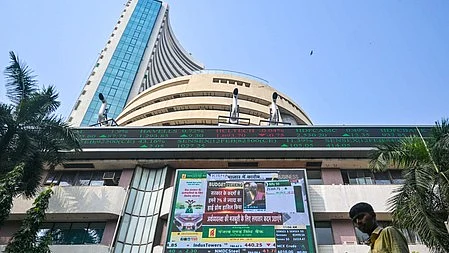


Indian equity benchmarks opened sharply lower on Wednesday, extending recent losses as escalating tensions in the Middle East and a spike in crude oil prices unsettled global investors and dampened risk appetite.
By 9.16am, the BSE Sensex had slumped 1,677 points, or 2.1 per cent, to 78,561.8. The Nifty 50 fell 494 points to 24,371.6, slipping decisively below the 24,500 mark, a level traders had viewed as psychologically important.
Market breadth was notably weak on the National Stock Exchange of India, where declining shares outnumbered advances by more than four to one, with over 2,200 stocks in the red.
Volatility surged as uncertainty deepened. The India VIX jumped nearly 14 per cent to 19.51, reflecting heightened anxiety among traders as geopolitical risks and energy costs climbed.
The slide in Indian shares mirrored weakness across international markets as investors assessed the economic implications of a widening conflict involving the United States, Israel and Iran.
In Asia, Japan’s TOPIX fell more than 4 per cent, while Hong Kong’s Hang Seng Index dropped over 2 per cent. Overnight in the US, the Dow Jones Industrial Average lost 403 points, the S&P 500 declined 0.9 per cent and the Nasdaq Composite slipped 1 per cent.
Oil has emerged as the dominant driver of sentiment. Brent crude hovered around $81–82 a barrel amid fears that supplies could be disrupted through the Strait of Hormuz, a vital artery for global energy shipments.
Analysts warn that elevated crude prices pose significant macroeconomic challenges for India, which imports about 85 per cent of its oil needs.
VK Vijayakumar, chief investment strategist at Geojit Investments, was quoted by moneycontrol as saying that the principal concern is the potential economic fallout if hostilities persist. He cautioned that sustained high oil prices could stoke inflation, widen the trade deficit, weaken the rupee and weigh on corporate profitability.
“With the conflict intensifying and crude prices rising, markets are entering a phase of elevated uncertainty,” he said, adding that the duration of the crisis would be crucial in determining its economic impact.
Selling was broad-based in early trade. Engineering and construction major Larsen & Toubro was among the steepest fallers on the Nifty, sliding nearly 7 per cent. InterGlobe Aviation dropped more than 3.5 per cent.
Financial stocks also faced pressure, with HDFC Bank, Bajaj Finance and Shriram Finance losing between 2 and 3 per cent. Infrastructure-linked counters such as Adani Ports & SEZ and Adani Enterprises also traded lower.
A handful of stocks bucked the trend, including Bharat Electronics, Infosys and ONGC, which managed modest gains.
On a sectoral basis, infrastructure, automobile and consumer durable shares were among the worst affected, while information technology stocks showed relative resilience.
From a technical perspective, analysts said the market’s structure remains fragile after the Nifty slipped below the 25,000 resistance zone, which is now seen as a cap on any near-term rebound.
Immediate support is viewed in the 24,400–24,300 range, while resistance is expected around 24,900–25,000, suggesting traders are bracing for continued volatility in the sessions ahead.
With agency inputs
Join our official telegram channel (@nationalherald) and stay updated with the latest headlines