


SpaceX targets record-breaking $1.77 trillion valuation in historic IPO
Elon Musk’s space venture aims to raise $75 billion in what could become the largest stock market debut ever
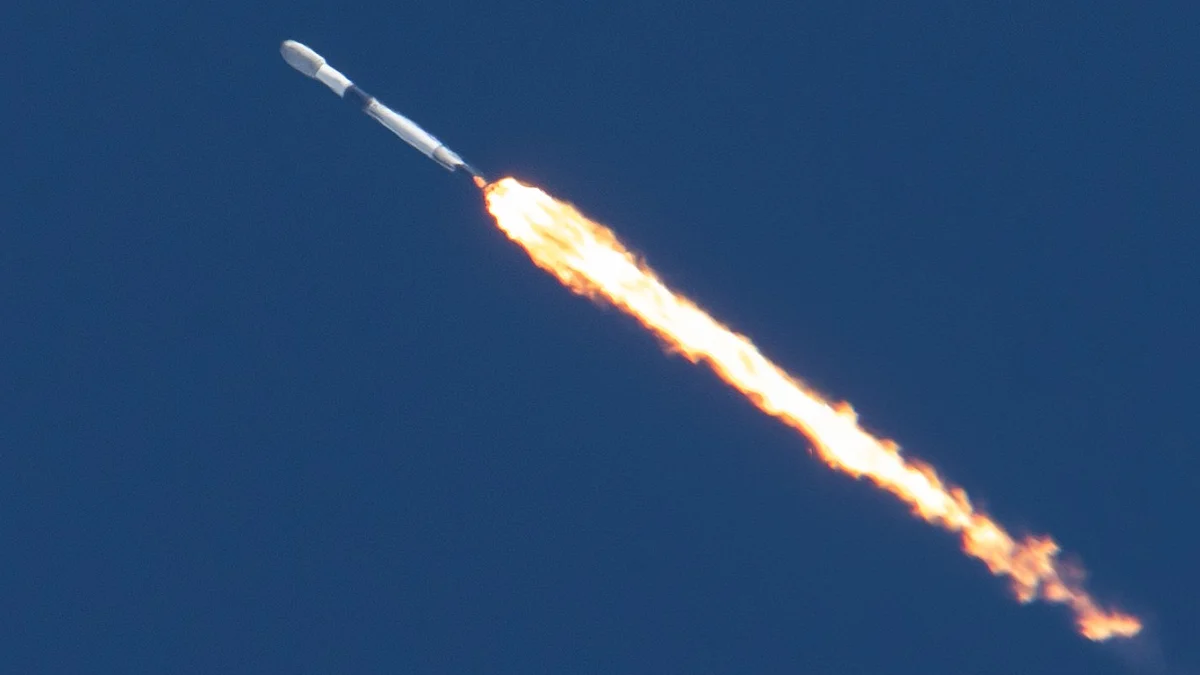


Elon Musk's SpaceX is set to make history with plans for a blockbuster public offering that could value the company at nearly $1.77 trillion, positioning it among the world's most valuable corporations and potentially creating the largest initial public offering ever witnessed.
According to Al Jazeera, a filing submitted to the US Securities and Exchange Commission, the company intends to offer 555.6 million shares priced at $135 each, raising approximately $75 billion from investors. If successful, the listing would surpass the record set by Saudi Aramco's 2019 market debut and rank among the most significant events in global capital markets.
The proposed valuation would place SpaceX ahead of several of the world's biggest technology companies by market capitalisation, underscoring investor confidence in the firm's long-term growth prospects despite continuing financial losses.
Shares are expected to begin trading on the Nasdaq exchange from 12 June.
The offering is also expected to further boost Musk's personal fortune. With an estimated 42 per cent stake in the company, the entrepreneur could become the world's first trillionaire following the listing.
Despite the public offering, Musk is expected to maintain firm control over the company through a dual class share structure that grants enhanced voting rights to select shareholders. The arrangement will leave him with more than 80 per cent of the company's voting power.
Market observers have noted that SpaceX has departed from conventional IPO practice by announcing a fixed share price before embarking on its investor roadshow. Typically, companies provide a price range that is adjusted based on demand during the marketing process.
Analysts told Al Jazeera that they view the decision as a reflection of strong confidence in investor appetite for the offering and Musk's influence over the terms of the transaction.
Founded in 2002, SpaceX has become one of the world's leading private aerospace companies, developing rockets, spacecraft and reusable launch systems for government agencies and commercial clients. The company has also expanded into satellite internet services through Starlink and artificial intelligence through its xAI business.
Musk has repeatedly outlined ambitious plans for the company, including establishing a permanent human settlement on Mars and advancing technologies aimed at making humanity a multi-planetary species.
However, the company's lofty valuation has sparked debate among market experts. While investors are backing SpaceX's future potential, the company remains loss-making. It reported a net loss of $4.9 billion on revenue of $18.7 billion in 2025, followed by a further loss of $4.3 billion during the first quarter of 2026.
Some analysts have highlighted the contrast between SpaceX and previous record-setting listings. Unlike Saudi Aramco, whose valuation was underpinned by substantial profits and established cash flows, SpaceX's valuation is largely based on expectations of future growth across sectors including space transportation, satellite communications and artificial intelligence.
Supporters argue that investors are betting on the company's ability to dominate multiple high-growth industries over the coming decades. Comparisons have also been drawn with Tesla, which remained unprofitable for years after its stock market debut before eventually becoming one of the world's most valuable companies.
The SpaceX offering is widely seen as the first in a series of major technology listings expected this year, with artificial intelligence firms OpenAI and Anthropic also reportedly preparing for public market debuts.
The success or otherwise of the listing is likely to be closely watched by investors worldwide, not only as a measure of confidence in Musk's vision but also as an indicator of appetite for high-growth technology companies at a time when enthusiasm for artificial intelligence and advanced technologies continues to drive stock markets to record levels.
Join our official telegram channel (@nationalherald) and stay updated with the latest headlines