


US opens claims process for refunds on overturned Trump-era tariffs
Importers set to reclaim billions as authorities roll out phased repayment process following Supreme Court decision
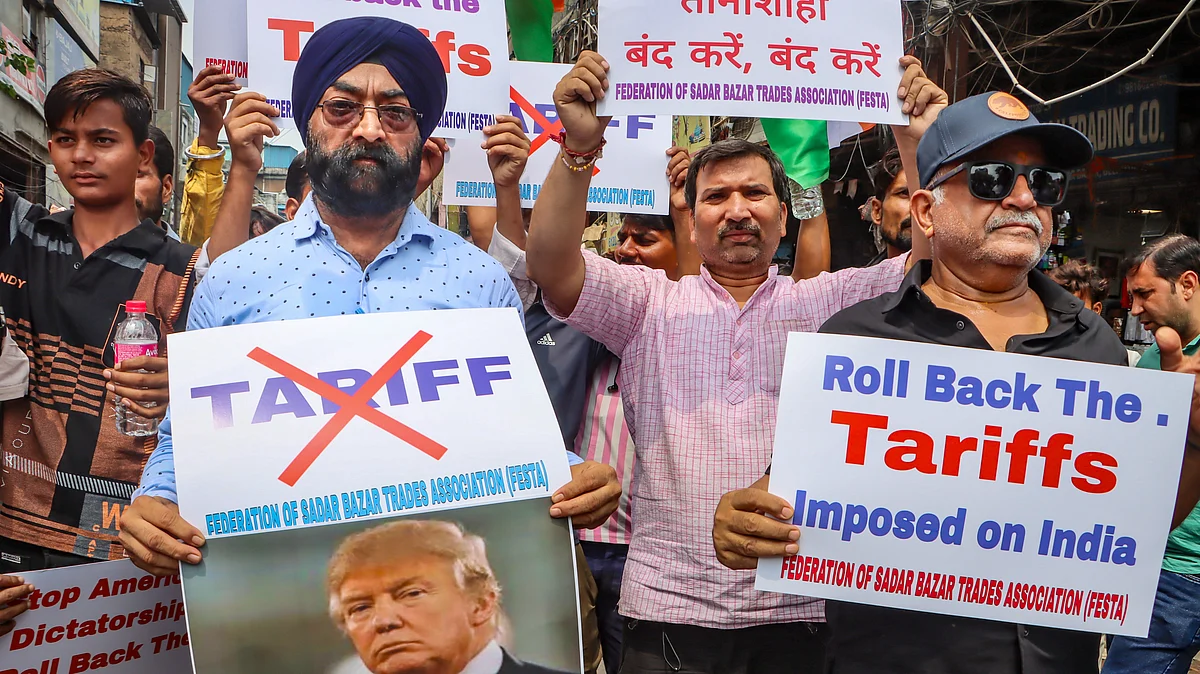


A new system allowing businesses to reclaim billions of dollars in tariffs imposed under US president Donald Trump is set to go live, following a landmark court ruling that found the duties were introduced without proper authority.
CNBC reported that starting Monday morning, importers and customs brokers will be able to submit claims through an online portal managed by U.S. Customs and Border Protection. The move marks the first stage in what is expected to be a complex and lengthy reimbursement process.
The development follows a decision by the Supreme Court of the United States, which ruled in February that the former president had overstepped his constitutional powers by imposing sweeping import taxes. The court found that the use of emergency legislation to justify the tariffs was not lawful.
Although the ruling did not directly address repayments, a subsequent judgment by the U.S. Court of International Trade confirmed that affected companies are entitled to refunds, moneycontrol reported.
Officials estimate that more than 330,000 importers collectively paid around $166 billion in tariffs on tens of millions of shipments. However, not all claims will be processed immediately, as the initial phase focuses on more recent or unresolved payments.
Businesses seeking reimbursement must submit detailed declarations outlining the goods involved and the duties paid. Authorities have warned that inaccuracies could result in delays or rejected claims, with refunds expected to take between 60 and 90 days once approved.
Experts have urged companies to exercise caution when filing applications, noting that even minor errors could complicate the process. They have also cautioned that technical issues may arise as the system launches, given the high level of demand.
While the refunds will initially go to importers, it remains uncertain how much of the money will reach consumers. Some companies may choose to pass on reimbursements, but they are not required to do so. Separate legal actions are under way seeking to compel firms to return tariff-related costs to customers.
Delivery companies that collected duties directly from individuals, including FedEx and UPS, have indicated they intend to return funds to customers once refunds are received.
Small businesses, many of which absorbed tariff costs rather than raising prices, are expected to be among the keenest applicants. However, concerns remain over the time it may take for funds to be returned, particularly for firms facing cash flow pressures.
The rollout of the refund system marks a significant step in unwinding one of the most controversial trade measures of recent years, though the full financial impact may take months—or even years—to become clear.
Join our official telegram channel (@nationalherald) and stay updated with the latest headlines