


Explainer: What the excise reduction means for petrol and diesel users
Government trims excise to ease oil firms’ losses, but will the consumers see a drop at the pump
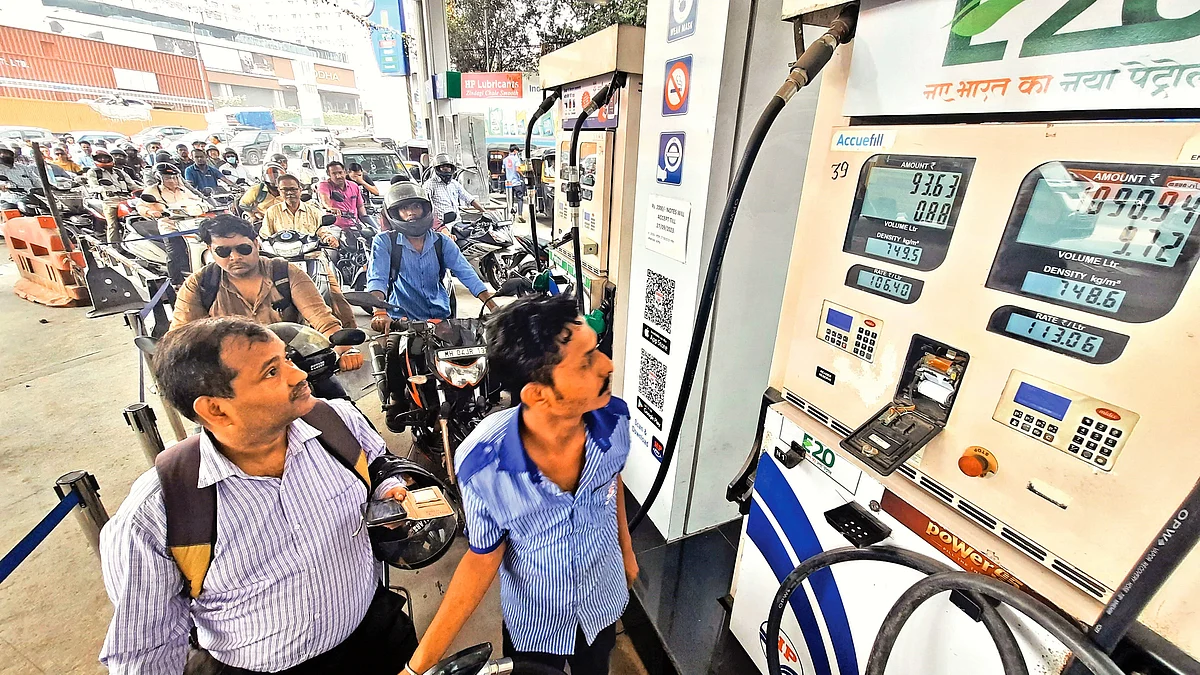


The government's move to cut excise duty on petrol and diesel has been projected as a move to shield consumers from rising global oil prices. However, a closer look suggests that the benefit may be limited, at least in the short term, with no immediate reduction in retail fuel prices.
No change where it matters most
Despite the Rs10 per litre cut in Special Additional Excise Duty (SAED), petrol and diesel prices at the pump remain unchanged. For consumers, this means no direct relief in daily expenses, even as headlines suggest otherwise.
Instead, the tax reduction primarily eases pressure on oil marketing companies (OMCs), which have been absorbing losses amid a sharp surge in global crude prices.
A shift in burden, not a reduction
By lowering excise duty, the government is effectively sharing part of the financial strain with OMCs rather than passing it on to consumers through higher prices. While this may help prevent an immediate price hike, it does not translate into savings for households.
Critics argue that the move is being framed as consumer relief, when in reality it is a fiscal adjustment to support state-run fuel retailers.
Why prices haven’t fallen
OMCs have been incurring steep losses, estimated at around Rs 24 per litre on petrol and Rs 30 per litre on diesel, due to elevated international crude prices. The duty cut helps narrow these losses, but does not eliminate them.
As a result, companies are unlikely to reduce retail prices unless global crude prices ease significantly.
Fiscal cost raises questions
The excise duty reduction comes at a substantial cost to government finances, with estimates suggesting a potential revenue loss of around Rs 1.5 lakh crore annually.
To offset this, the Centre has imposed export duties on diesel and aviation turbine fuel (ATF), effectively taxing overseas sales while foregoing domestic tax revenue.
This balancing act raises questions about long-term fiscal sustainability, especially if high oil prices persist.
Global pressures
The underlying issue of elevated crude oil prices driven by geopolitical tensions, remains unresolved. India, which imports the bulk of its energy needs, continues to be exposed to global volatility.
Private fuel retailers have already begun passing on higher costs to consumers, highlighting the strain within the sector. State-run companies, which dominate the market, have so far held prices steady, but this may not be sustainable indefinitely.
Limited consumer impact
In practical terms, the duty cut offers only indirect relief:
It delays a potential price hike rather than reducing existing prices
It cushions oil companies rather than lowering consumer costs
It shifts part of the burden to government finances
For households already grappling with high living costs, the absence of any visible reduction in fuel prices may undercut the perceived benefit of the move.
While the government’s intervention may stabilise the fuel market in the short term, it stops short of delivering tangible relief to consumers.
Without a fall in global crude prices, or a direct reduction in retail rates, the impact of the excise duty cut is likely to remain largely invisible at the petrol pump.
With PTI, IANS inputs
Join our official telegram channel (@nationalherald) and stay updated with the latest headlines