


SC refuses to stay new UPI MDR regime for merchant payments above Rs 2,000
Centre says customers will not bear the charge as court seeks response on framework introducing 0.4% MDR for high-value merchant transactions
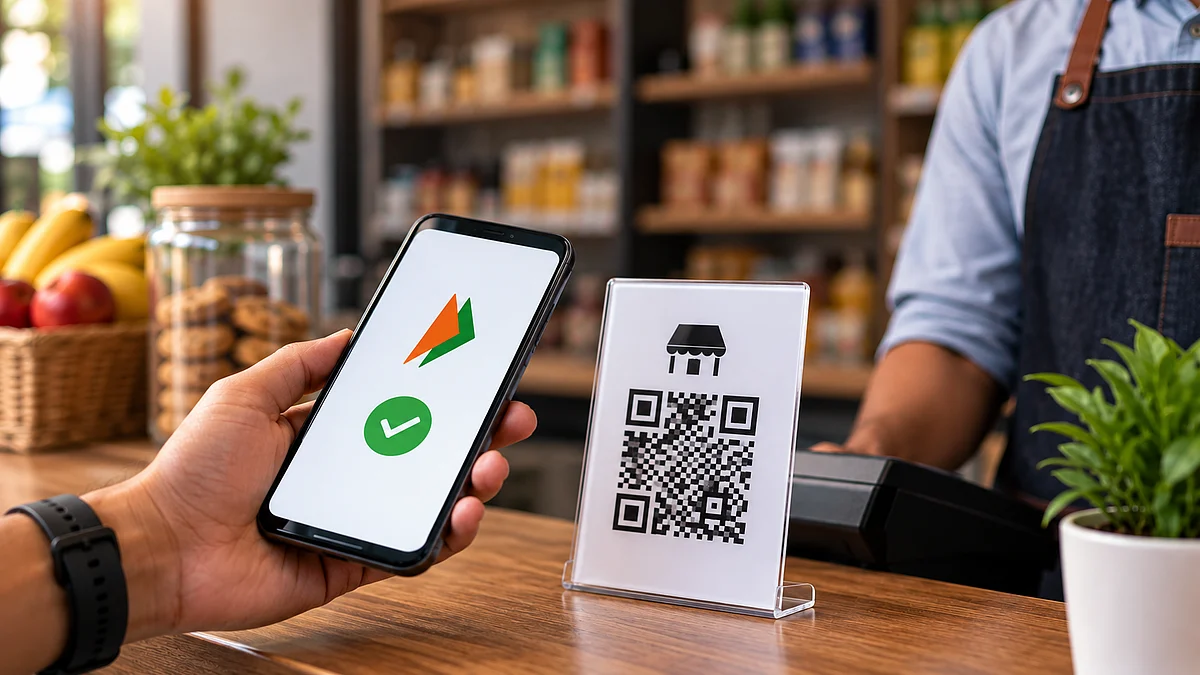


The Supreme Court has refused to stay the Centre’s new MDR (Merchant Discount Rate) regime for specified UPI merchant transactions above Rs 2,000 and sought the Centre’s response.
Under the framework, a 0.4 per cent MDR applies to specified P2M transactions above Rs 2,000, with a cap of Rs 300 for transactions of Rs 75,000 and above.
The Finance Ministry says customers will not be charged MDR and UPI apps are prohibited from imposing platform fees or hidden charges; about 96 per cent of merchant transactions will remain unaffected.
The Supreme Court on Monday refused to stay the Centre’s decision to introduce a MDR on specified UPI person-to-merchant transactions above Rs 2,000, while seeking the Centre’s response to a challenge against the new fee framework.
The new MDR framework was announced on 15 September after the Centre amended the Payment and Settlement Systems Act, 2007. MDR is a fee paid within the digital payments ecosystem to entities involved in processing a transaction, including banks, payment service providers and UPI application providers.
Under the framework, specified P2M transactions above Rs 2,000 will attract an MDR of 0.4 per cent. For transactions of Rs 75,000 and above, the MDR is capped at Rs 300 per transaction. Certain essential sectors, including railways, telecommunications, insurance, fuel and agricultural inputs, will instead attract a flat MDR of Rs 5 for transactions above Rs 2,000.
The government has maintained that the charge will not be imposed on customers making UPI payments. Banks have been advised to ensure merchants do not pass the MDR on to customers, while UPI application providers have been “expressly prohibited from imposing platform fees or hidden charges”.
Person-to-person UPI payments will remain free irrespective of the amount transferred. Payments to merchants up to Rs 2,000 will also remain free, while small merchants receiving up to Rs 1 lakh a month through UPI QR codes under the specified category will continue to receive zero-MDR treatment.
According to the Finance Ministry, the new MDR will apply to only about 4 per cent of merchant transactions, leaving approximately 96 per cent unaffected.
The framework has been challenged in the Supreme Court, with the petition arguing that the move effectively removes the zero-MDR protection that had applied to UPI transactions since January 2020.
The government has said the new framework is intended to support the long-term sustainability of the UPI ecosystem by creating a revenue stream for banks, payment service providers and application providers while keeping most transactions free.
An official cited by The Indian Express estimated that the new MDR regime could generate around Rs 15,000 crore, which would be distributed among participants in the payments ecosystem.
Join our official telegram channel (@nationalherald) and stay updated with the latest headlines