


CBSE’s OSM mess gets messier as every 4th student wants answer sheet rechecked
From mismatched answer sheets and blurred scans to crashing portals and allegations of system vulnerabilities
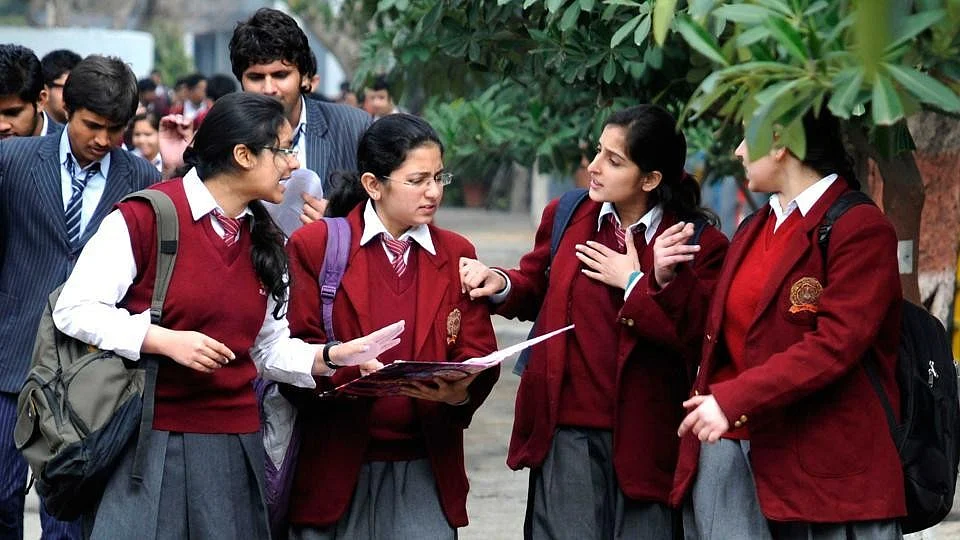


“I am not foolish enough to leave my entire answer sheet blank and walk away. Thirteen of my MCQs are absolutely correct, yet I have been awarded marks for only nine. I have been told to repeat the year. My entire year has been ruined. My answer sheet should be checked again, but I will not pay for it. Why should I pay for CBSE’s mistake?”
With tears in his eyes and his voice breaking, Class 12 student Rajak Rehri summed up the anguish felt by thousands of students who believe something may have gone wrong in the Central Board of Secondary Education’s (CBSE) evaluation process this year.
Rajak is not alone. Across the country, students have been questioning their marks, seeking scanned copies of answer sheets and demanding re-evaluation after the board’s first large-scale use of the On Screen Marking (OSM) system. The scale of dissatisfaction has been unlike anything seen in recent years, raising uncomfortable questions about the preparedness of India’s largest school board for a nationwide digital evaluation exercise.
Every fourth student seeks answer sheets
CBSE conducted digital evaluation of nearly 9.86 crore answer sheets across Classes 10 and 12 this year through the OSM system. A total of 17.68 lakh students appeared for the Class 12 examination, the results of which were declared on 13 May.
The board reported a pass percentage of 85.2 per cent, the lowest in seven years. Last year, the corresponding figure stood at 88.93 per cent.
Soon after the results were announced, students across the country began expressing dissatisfaction with their scores and demanded access to their answer sheets. The response was overwhelming.
According to CBSE data, by the evening of 26 May, as many as 4,04,319 students had applied for scanned copies of their answer sheets across subjects. Together, they sought 11,31,961 scanned answer books. In other words, nearly one in every four Class 12 candidates sought to verify how their papers had been assessed.
The board said it had supplied 8,98,214 scanned copies by that date and promised to provide the remaining copies shortly. Applications for re-evaluation are scheduled to begin on 29 May.
Complaints flood portal
The surge in requests exposed technical shortcomings almost immediately.
Within the first three hours of the verification portal opening, more than 1.26 lakh applications were submitted. The volume of traffic repeatedly overwhelmed the system, forcing CBSE to extend the application deadline by an additional day.
Students reported portal crashes, failed transactions and payment-related issues. Several claimed they were charged multiple times while attempting to obtain scanned copies of their answer sheets.
The problems became significant enough for the Education Ministry to reportedly involve IIT Madras, IIT Kanpur and multiple public sector banks in efforts to stabilise systems and address payment bottlenecks.
The case that changed the debate
While complaints over marks are common after every board examination, the controversy took a more serious turn when students began receiving scanned copies of their answer sheets.
Many complained that the scans were difficult to read because of poor image quality. But one particular case transformed a routine post-result grievance into a larger debate about the integrity of the evaluation process itself.
A student named Vedant publicly claimed that the Physics answer sheet supplied to him by CBSE did not belong to him. He posted images of his English and Physics answer books on social media, pointing out clear differences in handwriting.
More strikingly, while the cover page carried his details, the internal pages appeared to belong to another student altogether.
Initially, Vedant faced intense trolling online. Some accused him of fabricating the claim to malign the board. However, CBSE later acknowledged that an incorrect Physics answer sheet had indeed been provided to him and assured corrective action.
The admission settled one dispute but created a larger concern. If one student could receive another candidate’s answer sheet, many began asking whether similar mismatches might have affected the marks awarded to other students as well.
Hacker claims add to controversy
The scrutiny intensified further when a 19-year-old self-described ethical hacker claimed that he had accessed parts of the CBSE evaluation ecosystem months before the results were announced.
In media interviews, he alleged that vulnerabilities in the system allowed access to evaluator-level functions and that he had informed authorities about the issue nearly three months earlier.
CBSE strongly rejected those claims, maintaining that the individual had only accessed a testing environment containing sample data and had never breached the live evaluation platform used for actual assessment.
The board insisted that its operational OSM infrastructure remained secure and that no unauthorised access to real examination data had occurred.
Whether or not the hacker’s claims are eventually substantiated, the episode added to a growing perception among students that too many questions remained unanswered.
Was the system ready?
The controversy has also drawn attention to the third-party infrastructure behind the digital evaluation process.
Without naming any vendor publicly, both CBSE and the Education Ministry have effectively acknowledged that external technical systems were involved in implementing OSM at scale. Yet there has been little official clarity regarding the agency responsible for the platform, the process through which it was selected, or the safeguards built into the system before deployment.
The questions go beyond a single mismatched answer sheet or a crashing portal.
How did so many students encounter problems simultaneously? Why were some scanned copies blurred? How could answer-sheet mapping errors occur? Was adequate stress testing conducted before shifting millions of answer books to a digital evaluation platform?
These questions have become central to a debate that is no longer about individual marks alone.
Technology can undoubtedly make evaluation faster and more efficient. But when a system responsible for determining the future of millions of students appears to falter at multiple levels simultaneously, accountability becomes as important as innovation.
For CBSE, the immediate challenge is correcting genuine errors wherever they exist. The larger challenge may be restoring confidence among students and parents who increasingly believe that this year’s evaluation process deserves far closer scrutiny than it has received so far.
Join our official telegram channel (@nationalherald) and stay updated with the latest headlines