


Climate extremes in 2025 pushed millions closer to survival limits: Report
Heatwaves, floods and storms intensified worldwide despite La Niña conditions; scientists urge rapid fossil fuel cuts
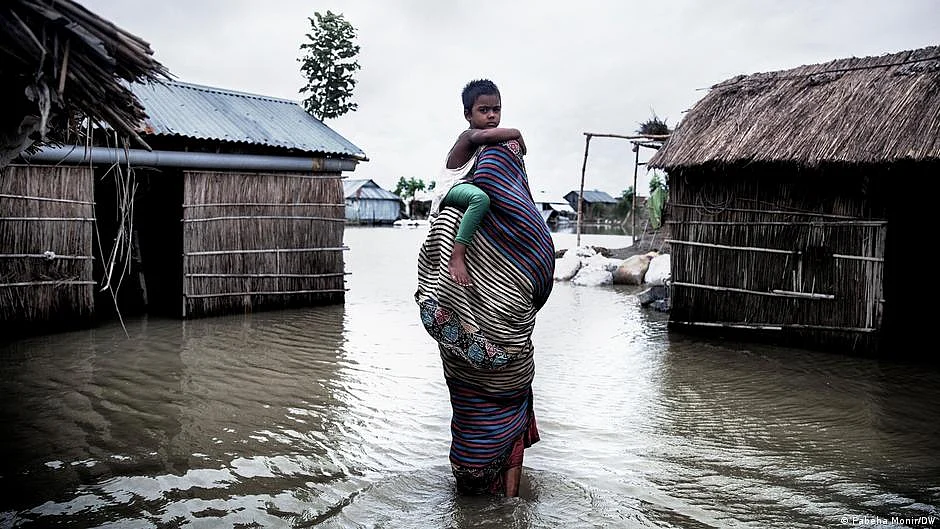


Climate change fuelled extreme weather across the world in 2025, intensifying heatwaves, droughts, storms and wildfires, and pushing millions of people close to the “limits of adaptation”, according to the WWA (World Weather Attribution) annual report released on Monday.
The report said global temperatures remained exceptionally high throughout the year, making 2025 one of the warmest years on record despite the presence of La Niña conditions, which are typically associated with cooler global temperatures. It warned that continued reliance on fossil fuels is worsening humanitarian and economic impacts across regions.
“Each year, the risks of climate change become less hypothetical and more brutal reality,” said Friederike Otto, Professor of Climate Science at Imperial College London and co-founder of WWA. She said emissions cuts so far have fallen far short of what is needed to prevent escalating damage.
The report highlighted that heatwaves have become measurably more intense since the Paris Agreement was signed in 2015, with some events now up to 10 times more likely to occur.
Key findings from 2025
WWA identified 157 extreme weather events with major humanitarian impacts, including 49 heatwaves, 49 floods, 38 storms, 11 wildfires, seven droughts and three cold spells.
Of 22 events studied in depth, 17 were found to be made more severe or more likely due to climate change.
Heatwaves were the deadliest events, with one European summer heatwave alone estimated to have caused 24,400 deaths.
The scientists noted that extreme weather continues to disproportionately affect vulnerable and marginalised communities, especially in the Global South, where lack of data and limitations in climate models hinder full assessment of impacts.
“Reducing vulnerability and exposure can save lives,” the report said, but added that several events in 2025 showed climate change is already pushing communities beyond what they can reasonably adapt to.
The report also warned that the three-year global temperature average is expected to cross the 1.5 degrees Celsius threshold for the first time, underscoring that “every fraction of a degree matters”.
Tropical cyclones and storms were also among the deadliest disasters of the year. In one recent episode, multiple storms struck Asia and Southeast Asia simultaneously, killing more than 1,700 people and causing billions of dollars in damage.
The WWA renewed its call for rapid and deep reductions in fossil fuel use, cautioning that without urgent action, extreme weather will continue to intensify with irreversible consequences for communities worldwide.
With PTI inputs
Also Read: Climate summit or ‘climate casino’?
Join our official telegram channel (@nationalherald) and stay updated with the latest headlines