


COP31 talks in deadlock as divisions over fossil fuels, climate finance stall deal
EU and Pacific nations oppose draft that omits fossil fuel cuts, while African countries seek stronger adaptation funding; negotiations suspended overnight
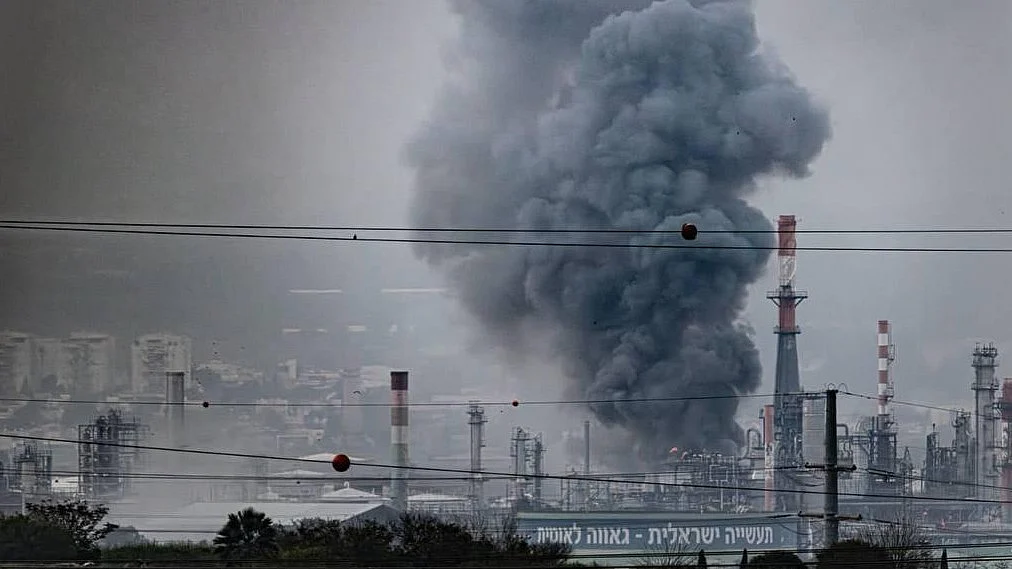


Negotiations at the COP31 UN climate summit in Turkey have reached a deadlock, with talks suspended overnight after running more than a day beyond schedule, as countries remain divided over a new global climate agreement.
The European Union and several Pacific island nations are among those opposing the latest draft agreement, which makes no reference to reducing global demand for fossil fuels.
Another major sticking point is the demand by the Africa Group for commitments to increase funding for climate adaptation. The EU has previously said it would not support the proposal.
Negotiating teams scheduled to fly home on Sunday morning are now rescheduling their flights to Monday, indicating that a deal remains elusive.
Under the UN climate negotiations process, any agreement requires consensus among participating countries. If that cannot be achieved, the talks could be suspended, leaving the summit without a deal and requiring it to reconvene next year. This has happened only once since countries began holding annual COP meetings in 1995.
On Saturday, EU Commissioner for Climate Wopke Hoekstra said the bloc would not agree to an outcome that fell short of the climate action required.
“If we cannot get what is needed in terms of climate action... then there's no deal,” he said.
The UK's chief negotiator, Energy Secretary Miatta Fahnbulleh, struck a more optimistic note, saying discussions remained productive and that an agreement was still possible.
“These are difficult negotiations, but discussions remain productive and there is a deal to be done. The UK is pushing hard for an outcome and we will keep working in the coming hours to bring countries together,” she said.
Another concern is that negotiating teams may have to begin their journeys home, potentially leaving the summit without the critical number of countries needed to reach a global agreement.
Ministers from Panama, the Solomon Islands, Cote d'Ivoire and the EU are seeking to restore language committing countries to move away from oil, gas and coal in the final agreement. The reference was removed from the latest draft after pressure from fossil fuel-producing countries, led by Saudi Arabia.
“It is not acceptable to have a COP or a cover decision that does not even mention fossil fuels and we simply will not put up with it,” said Juan Carlos Navarro, Panama's environment minister.
France's Minister of Ecological Transition, Monique Barbut, also criticised the draft, particularly its references to carbon capture, use and storage — technologies that capture emissions and store them underground. She argued that such provisions could allow countries to continue burning fossil fuels.
“We cannot be announcing to the world that we are now getting to 1.5 increase in the temperature and do business like nothing was happening,” Barbut said.
For the first time at a COP summit, the final agreement, officially called the Antalya Accords, could acknowledge that the goal of limiting global temperature rise to 1.5 degrees Celsius has been missed.
Scientists warn that the world is entering a period known as ‘overshoot’, in which temperatures exceed the threshold, exposing millions more people to rising sea levels and extreme heat.
However, Chris Bowen, Australia's climate change and energy minister, who is leading the negotiations, pushed back against calls to include specific language on fossil fuels. He argued that the summit should focus on implementing existing commitments and accelerating the transition to clean energy.
Renewable energy has been expanding rapidly outside the negotiations. Solar power became the largest contributor to meeting new global energy demand for the first time this year, overtaking oil and gas.
The International Energy Agency also warned this week that prolonged disruption to fuel supplies through the Strait of Hormuz due to the Iran war would strengthen the incentive to shift towards electricity powered by renewable sources.
However, US President Donald Trump, Chinese President Xi Jinping and Russian President Vladimir Putin agreed at a meeting in Shenzhen this week to increase oil production in response to disruptions in fuel supplies.
One proposal under discussion is to keep fossil fuels out of the final agreement in exchange for Saudi Arabia and other oil-producing countries agreeing to a pledge to source 35 per cent of their energy consumption from electricity by 2035.
This, however, would not address another major concern of developing countries: the lack of climate finance.
Earlier versions of the draft included a commitment to increase adaptation funding to $120 billion by 2035. That figure has since been removed.
“We did not come here to beg, we came here to claim what is rightfully ours for our people who are suffering the brunt of anthropogenic activities of developed countries,” said Ghana's Environment Minister and chair of the African Group of negotiators, Zanetor Agyeman Rawlings.
Climate activists and environmental groups observing the negotiations have also criticised the proceedings.
“I can tell you without any doubt that this has been the worst COP ever,” said Mohamed Adow of Powershift Africa.
Turkey has also faced criticism as a co-host. Its lead negotiator reportedly walked out of some crucial discussions, leaving several countries feeling “disrespected”, according to an observer.
Join our official telegram channel (@nationalherald) and stay updated with the latest headlines