


Europe battles intensifying heatwave as record temperatures, deaths and health alerts mount
From France to the Czech Republic, record-breaking temperatures trigger emergency responses and renewed warnings over climate extremes
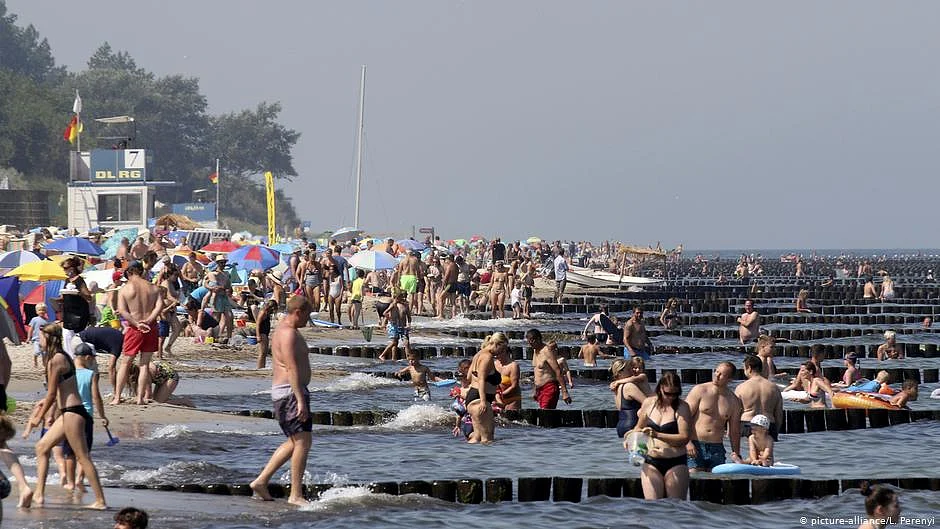


Europe's late-June heatwave has intensified into a continent-wide emergency, with record-breaking temperatures, confirmed fatalities and widespread public safety measures across western, central and northern Europe. As the heat dome shifts eastwards, meteorological agencies warn that millions remain exposed to dangerous conditions.
France has been among the worst-hit countries.
According to Météo-France, the country recorded its hottest day on record on 24 June, with a national average temperature of 30.0C and local highs reaching 43.8C. The extreme heat has claimed dozens of lives, with reports linking at least 40 drowning deaths to the heatwave. Separate incidents included children dying after being left in hot vehicles and elderly people succumbing to heat-related illnesses.
French authorities responded by issuing red alerts across large parts of the country, activating hospital emergency plans and urging people to avoid outdoor activity during the hottest hours of the day.
Spain has also borne the brunt of the heatwave. The country's weather agency said 23 and 24 June were the hottest June days on record, with temperatures exceeding 40C in several regions. Reuters reported that the extreme heat may have been associated with 212 deaths over a recent period, underscoring the heightened risk for older adults and people with underlying health conditions.
Public health authorities in Spain have urged residents to stay hydrated, remain indoors during peak afternoon temperatures and take extra precautions in nursing homes and other facilities housing vulnerable people.
Germany has emerged as another major hotspot as the heat spreads east. On 27 June, the country's national weather service reported a provisional all-time temperature record of 41.5C near Saarbrücken, surpassing an earlier provisional record of 41.3C. Red heat alerts were issued for cities including Bonn, Frankfurt and Cologne, while several public events were cancelled or scaled back to reduce heat exposure.
Officials have warned that sustained high temperatures are placing increasing pressure on health services.
The United Kingdom and Ireland have also experienced unusually hot conditions, although temperatures have remained below those recorded in continental Europe. The UK registered a provisional June high of 37.1C at Cavendish in Suffolk after the Met Office issued an extreme heat warning. In Ireland, Met Éireann placed the entire country under a Status Yellow high-temperature warning, with temperatures expected to reach around 30C.
Authorities in both countries have advised residents to limit outdoor activity, protect children and older adults, and ensure outdoor workers are adequately safeguarded.
The heatwave has also produced record-breaking conditions in Switzerland, the Netherlands, Belgium, Denmark and the Czech Republic. Switzerland recorded consecutive June temperature records, with Basel reaching 39C, prompting red alerts for Geneva, Basel and Zurich.
Denmark briefly registered its highest-ever temperature at 37 degrees Celsius near Aarhus before that record was overtaken, while the Czech Republic reported 40.8C near Prague and warned that temperatures could climb even higher.
Governments across these countries have introduced water conservation measures, issued heat alerts and stepped up public health messaging.
Italy is grappling with some of the most significant secondary impacts of the heatwave. Health authorities have issued red alerts for cities including Milan, Turin, Venice, Genoa, Florence and Bologna, where temperatures are forecast to approach 39C.
Beyond the immediate health risks, the country is also facing growing concerns over drought, pressure on transport networks and increased strain on hospitals caring for elderly and vulnerable residents.
Across Europe, authorities have adopted broadly similar responses, including red and yellow heat warnings, school and event cancellations, hospital preparedness plans, water-use restrictions and repeated advice for people to remain indoors during the hottest parts of the day.
United Nations agencies have stressed that effective early-warning systems must be matched by timely action to protect people in homes, workplaces and urban areas.
With the heatwave continuing its eastward advance, much of Europe remains on high alert as governments seek to limit further loss of life and reduce pressure on essential services.
Join our official telegram channel (@nationalherald) and stay updated with the latest headlines