


Slovenia’s highest mountain peak bids farewell to its last glacier after record summer
Rising temperatures have erased the last ice patch on the country’s highest peak, marking a loss for climate research and national heritage
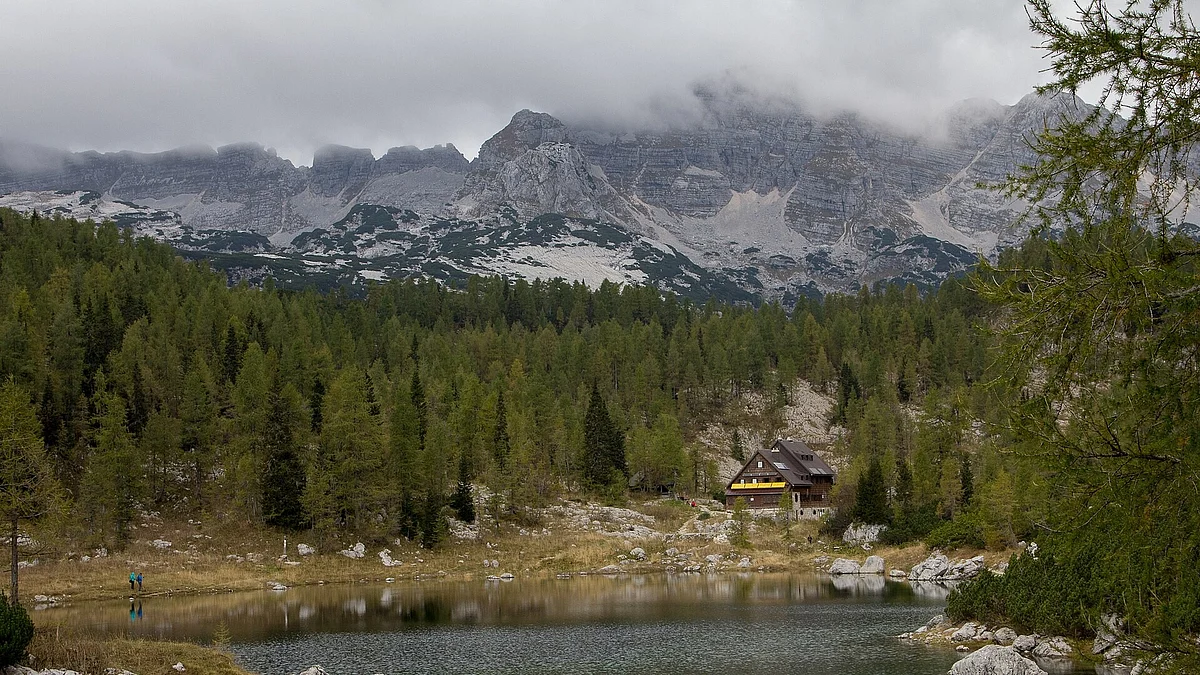


Slovenia’s Triglav glacier has disappeared after an exceptionally hot summer, with photographs taken this month confirming that no ice remains on the mountainside, marking another loss for the rapidly retreating glaciers of the Alps.
The glacier, located on Mount Triglav, Slovenia’s highest peak, had lost 93 per cent of its surface area between 1983 and 2003, shrinking to less than one hectare. It survived for another two decades despite fears that it was close to disappearing, but the remaining ice dwindled to isolated patches in recent years.
Matija Zorn, director of the Anton Melik Geographical Institute, said the glacier’s disappearance represented the loss of an important source of scientific data and an indicator of climate change. Mount Triglav also holds a central place in Slovenian national identity.
“Every year I knew that the ice was going to be less and less,” Zorn said. “But I was shocked every year [by] how much less ice was up there.”
Historical photographs and documents suggest that the glacier covered around 40 hectares in the mid-19th century. By 1946, when scientists conducted the first formal measurements, its area had shrunk to 14 hectares.
Zorn, who first measured the glacier in 2001, said the pace of its retreat had continued to surprise researchers. In 2002, scientists extracted a five-metre ice core for geochemical analysis. A year later, Zorn returned to the same spot and found exposed rock instead of ice.
The glacier’s decline accelerated in recent years amid rising temperatures and repeated heatwaves across Europe. The continent experienced its three hottest years on record within the past five years, contributing to the loss of ice across the Alps.
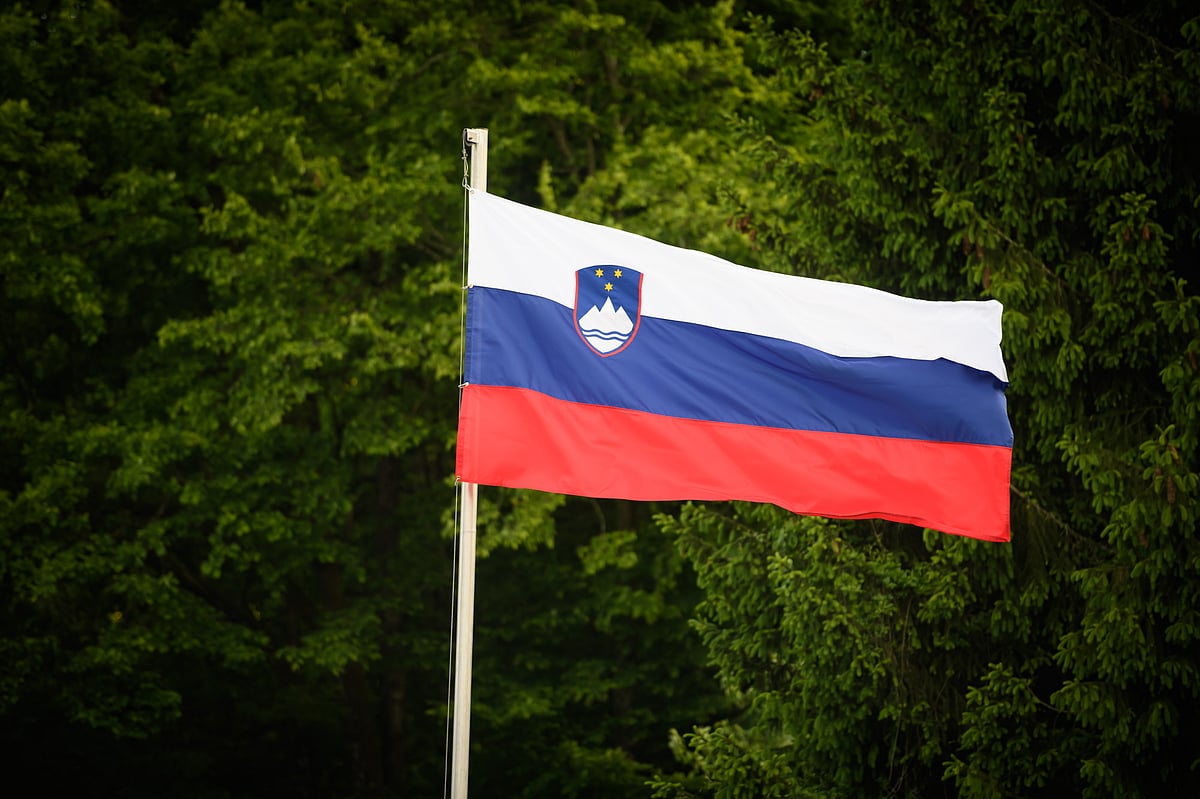
Triglav is a cultural landmark in Slovenia and features on the country’s flag. Climbing the peak is considered a significant tradition in a nation with a strong mountaineering culture.
Although the glacier has vanished, scientists have found ice in caves beneath Triglav as its retreat has exposed new shafts. A second glacier on Mount Skuta has also shrunk and thinned, but its remaining ice is better shaded and is expected to persist for a few more years.
Western Europe experienced its hottest summer on record this year, with an estimated 50,000 heat-related deaths and wider impacts including failed harvests and power plants being forced to shut down. Scientists are continuing to assess the damage to ecosystems.
Miha Pavšek, a glaciologist and mountain guide, said people were not yet taking the scale of environmental change seriously.
“With the melting of the glacier, a part of me is also going away,” Pavšek said, recalling a photograph of his parents at the site in 1957. “There are some things that humans thought were eternal. Glaciers are obviously not.”
Join our official telegram channel (@nationalherald) and stay updated with the latest headlines