


UN warns of ‘severe strain’ as sea-level rise doubles in a decade
World Ocean Assessment flags accelerating climate impacts, pollution and biodiversity loss across marine ecosystems
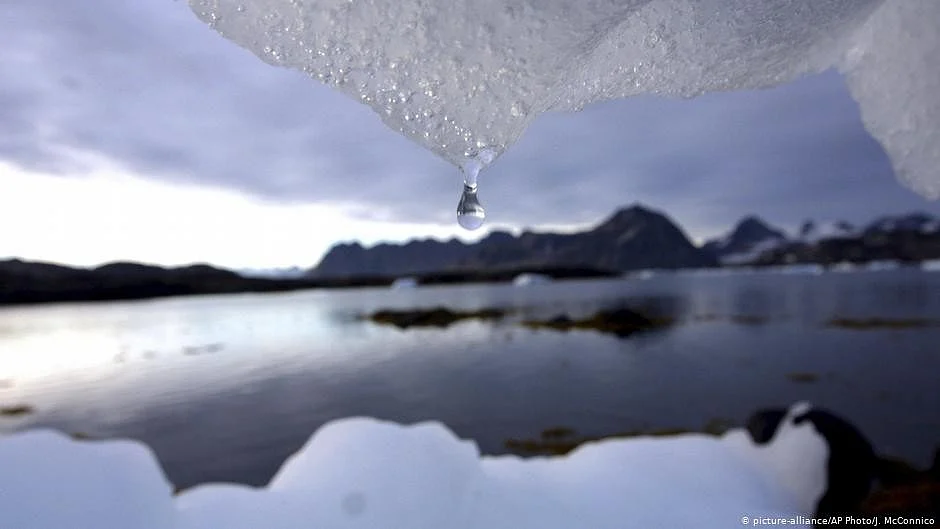


The world's oceans are facing "severe and accelerating" pressure from human activity, with the rate of global sea-level rise doubling over the past decade, according to a major United Nations assessment released on World Oceans Day.
The Third World Ocean Assessment, compiled by nearly 600 scientists from 86 countries, found that climate change, pollution, overfishing and other human-induced pressures are placing marine ecosystems under increasing stress, leading to widespread biodiversity loss and environmental degradation.
According to the report, the rate of sea-level rise increased from around 2 millimetres per year before 2015 to 4.3 millimetres per year in 2023.
The assessment also found that 16 per cent of the increase in global ocean heat recorded since 1955 occurred after 2018, underscoring the rapid pace of warming in recent years.
The Atlantic Ocean and southern parts of the Indian and Pacific Oceans have experienced the most significant warming, the report said.
Oceans absorbing climate burden
The UN noted that oceans continue to play a crucial role in regulating the Earth's climate, absorbing around 90 per cent of excess heat and roughly 30 per cent of carbon dioxide emissions generated by human activities.
However, scientists warned that the ocean's capacity to buffer climate impacts is coming under growing pressure.
UN Secretary-General António Guterres said urgent international cooperation was needed to protect marine ecosystems.
"We cannot keep treating the ocean as limitless," Guterres said, calling for a new relationship with the oceans based on science, international law and shared responsibility.
The report highlighted growing concern over changing ocean currents, whose future impacts on global climate systems remain poorly understood.
Plastic pollution, knowledge gaps
The assessment estimated that 52.1 million tonnes of plastic enter the oceans every year, contributing to an estimated 24.4 trillion microplastic particles in marine environments.
These pollutants are believed to affect more than 4,000 marine species worldwide.
Scientists also highlighted significant gaps in understanding ocean ecosystems, noting that only 27 per cent of the ocean floor had been mapped by 2025.
Deep-sea ecosystems remain among the least understood environments on Earth.
The report said global population growth and increasing coastal development are adding further pressure on marine systems.
The world's population increased from 7.7 billion in 2017 to 8.2 billion by late 2024, with more than one-third of people now living within 100 kilometres of coastlines.
Calls for stronger protection
While the report acknowledged progress through international agreements, including the High Seas Treaty that entered into force this year, it warned that ocean governance remains fragmented.
Scientists called for stronger international coordination to protect marine biodiversity and manage ocean resources sustainably.
Environmental organisations said the findings should serve as a warning to governments over activities such as industrial fishing and deep-sea mining.
The report comes as countries work towards a global target of protecting 30 per cent of the world's oceans by 2030, a benchmark many scientists consider essential for marine ecosystem recovery.
Join our official telegram channel (@nationalherald) and stay updated with the latest headlines