


Thailand: Bangkok floods kill 40 as extreme rain turns streets into stagnant lakes
Thailand's capital declares disaster across all 50 districts as record rainfall overwhelms drainage systems and disrupts daily life
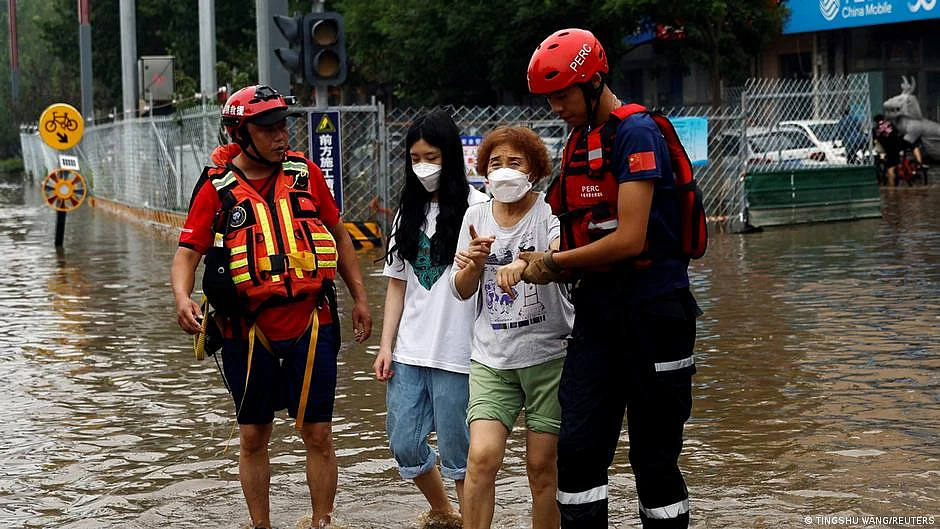


About 40 people have died in flooding in Bangkok after around 300mm of rain fell across parts of the Thai capital in two days, overwhelming drainage systems and turning neighbourhoods into stagnant lakes.
The Thai government has declared a flood disaster across all 50 districts of Bangkok, while thousands of residents have moved into more than 230 shelters, according to authorities.
The flooding has caused deaths from drowning and accidental electrocution and severely disrupted transport, schools and aviation. Bangkok's Suvarnabhumi airport has also been affected, with staff unable to reach work and thousands of pieces of luggage reportedly piling up as flights were cancelled.
Bangkok lies on the floodplain of the Chao Phraya River and depends on canals, pumps and dikes to drain excess water. Experts say extensive urban construction has reduced the effectiveness of parts of the city's drainage network.
Naim Laeni, a consultant and co-author of a study on Bangkok's flood resilience, said the city's drainage canals can normally handle about 60mm of rain an hour, rising to about 80mm in upgraded sections. Localised rainfall during the latest event exceeded those levels, he said.
The flooding has also caused major traffic disruption and forced many schools to close. Thailand's prime minister, Anutin Charnvirakul, said the Bangkok metropolitan area remained at risk from floodwaters moving south from the north and said a war room had been established to monitor the situation.
Thailand's weather agency has forecast further heavy rain next week.
Scientists say the disaster is part of a wider pattern of increasingly severe rainfall events in south-east Asia. Nikolaos Skliris, an ocean scientist at the University of Southampton, said there was already a "small but significant trend towards extreme rainfall" in central Thailand and that climate models projected further increases.
However, scientists said it was too early to attribute the specific Bangkok rainfall event to climate change. Data from Copernicus Climate Pulse indicated that the immediate cause was a low-pressure system that moved from the unusually warm South China Sea across Cambodia and Vietnam before becoming stationary over Bangkok.
An unusually strong El Niño is also affecting global weather patterns. While El Niño generally brings drier summer conditions to south-east Asia, recent research suggests it can still increase the occurrence of extreme rainfall.
Neighbouring Myanmar has also experienced flash floods and landslides linked to the same weather system. Nine people were killed in a landslide in the village of Ka Det Nge Htein, while eight others remain missing in another village, according to local officials.
Back in Bangkok, pumping stations have been operating at full capacity, but authorities expect it could take several days for floodwaters to fully recede.
Join our official telegram channel (@nationalherald) and stay updated with the latest headlines