


Bangladesh denies India set conditions for Sheikh Hasina's extradition
Dhaka says it has completed all legal formalities and is awaiting New Delhi's decision
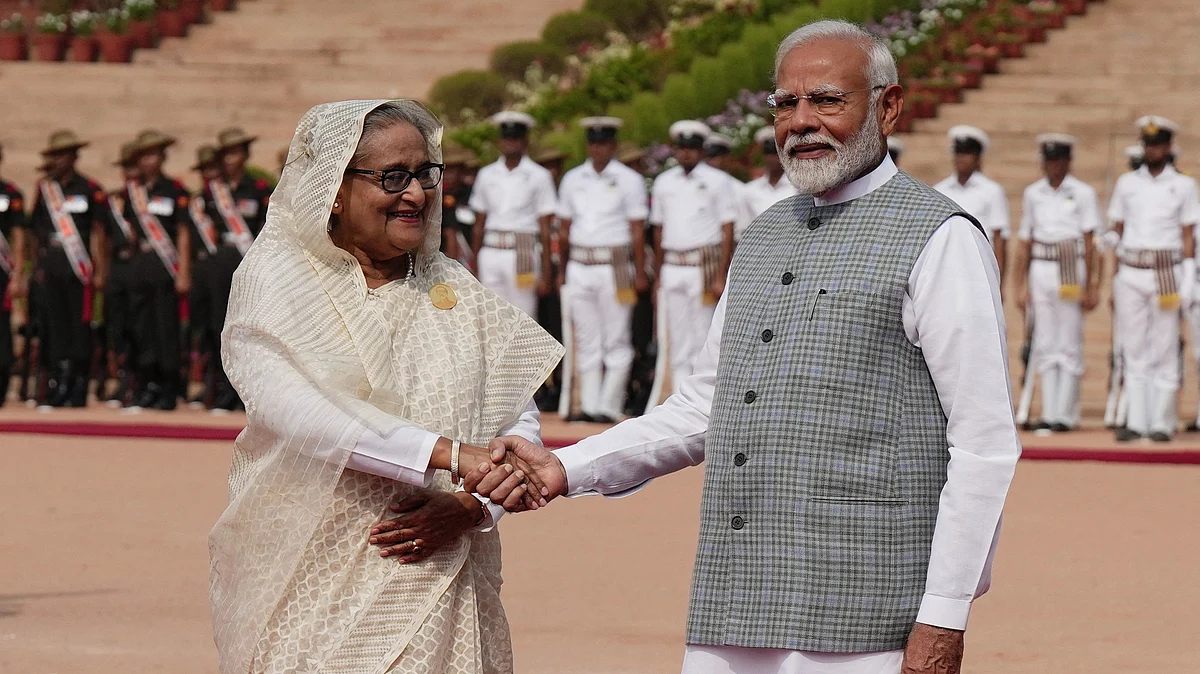


Bangladesh denies reports that India has set conditions for Sheikh Hasina's extradition.
Dhaka says it has completed legal formalities and expects New Delhi to act under the extradition treaty.
Hasina signals plans to return in December as the extradition dispute strains bilateral ties.
Bangladesh on Monday, 16 November rejected a media report claiming that India had laid down conditions for handing over ousted Prime Minister Sheikh Hasina, insisting that no such discussions had taken place between the two governments.
State minister for foreign affairs Shama Obaid Islam said Dhaka expected New Delhi to honour its obligations under the bilateral extradition treaty and had repeatedly approached India seeking Hasina's return.
Her remarks followed a BBC Bangla report that India had sought a fresh trial for Hasina and an opportunity for her to appeal against her death sentence before agreeing to extradite her. "We have had no such conversations with them (India) on this matter," Islam told reporters at her office.
The denial comes amid growing pressure on New Delhi to respond to Dhaka's extradition request. Bangladesh's law minister Md Asaduzzaman said last week that the country had completed all the legal formalities required to secure Hasina's return, leaving the decision entirely to India. "We have completed everything required from our side as part of the legal process. What they (India) will do is up to them," Asaduzzaman said.
He also maintained that Bangladesh's Supreme Court had no legal provision to extend the deadline for filing appeals in cases involving crimes against humanity.
Dhaka has been seeking Hasina's extradition since 5 August 2024, when she fled to India following a student-led uprising that brought down her Awami League government.
In November 2025, Bangladesh's International Crimes Tribunal found Hasina guilty of crimes against humanity over her role in the deadly crackdown on protesters during the July-August 2024 uprising. Tried in absentia, she was sentenced to death on one charge and life imprisonment on another. Hasina has rejected both the charges and the trial proceedings.
India has acknowledged receiving Bangladesh's extradition requests but has yet to announce a decision on handing her over. On Friday, ministry of external affairs spokesperson Randhir Jaiswal described the matter as a legal issue that would be dealt with accordingly. He also said: "India desires a positive, constructive and forward-looking relationship with Bangladesh."
Hasina (79) has repeatedly indicated that she intends to return to Bangladesh in December, despite the risks she could face. Political tensions have intensified in the run-up to her proposed return. On Sunday, supporters of her Awami League party staged violent demonstrations in her hometown of Gopalganj, attacking police vehicles and installations.
Earlier this month, Hasina approached the Bangladesh high commission in New Delhi seeking a new passport and national identity card to facilitate her return.
Dhaka, however, has maintained that her return must be secured through the existing extradition treaty. Responding to Hasina's passport application, Islam said Bangladeshi citizenship did not automatically entitle an individual to a passport. "Being a citizen of Bangladesh doesn't ensure that you will get a Bangladeshi passport," she said.
She added that the country's laws did not require the government to issue passports to convicted criminals or individuals facing serious charges.
Islam also sought to distinguish the extradition dispute from the broader bilateral relationship, arguing that several other important issues between the two neighbours needed diplomatic attention. "Bangladesh-India relations are a much bigger deal than Sheikh Hasina," she said.
Dhaka's demand for Hasina's extradition has continued despite the change of government in February, when the Muhammad Yunus-led interim administration handed power to an elected government headed by Prime Minister Tarique Rahman.
Bangladesh has also linked progress on the extradition issue to the possibility of a visit to India by Rahman. Dhaka has indicated that New Delhi would need to expedite Hasina's handover and return other fugitives wanted by Bangladesh to create a conducive atmosphere for the prime minister's visit.
With PTI inputs
Join our official telegram channel (@nationalherald) and stay updated with the latest headlines