


China emerges as key behind-the-scenes player in Iran war diplomacy
Beijing leverages economic ties with Tehran, projects global role amid US-led tensions
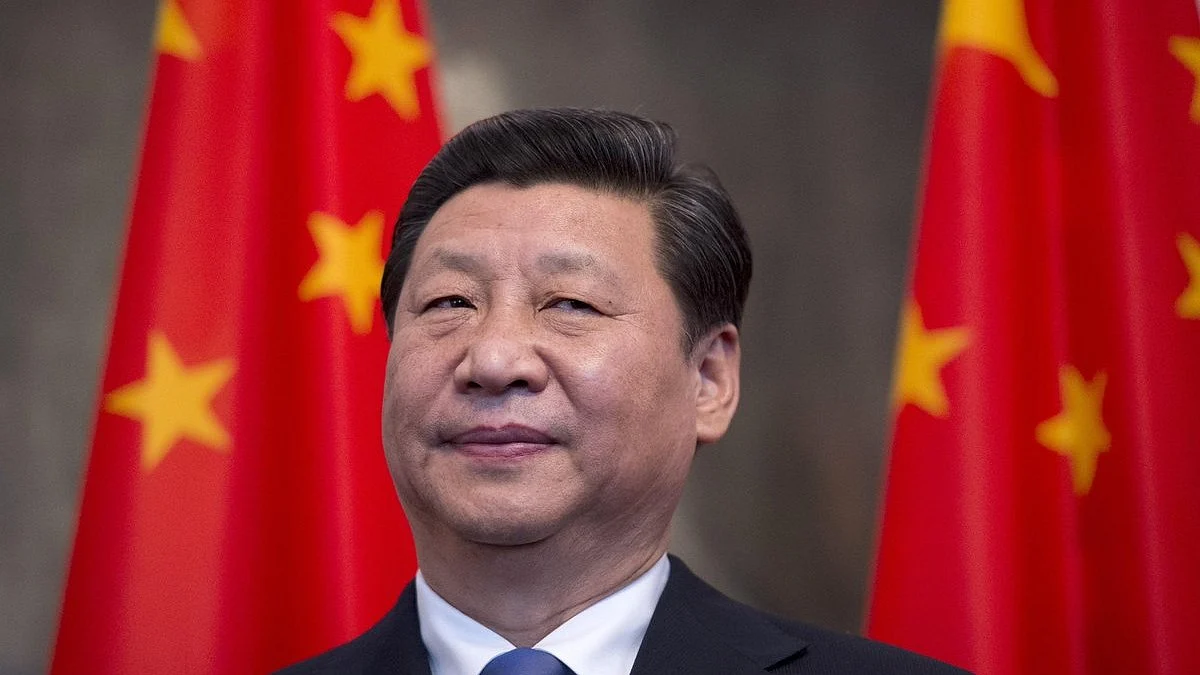


China is increasingly being viewed as an influential behind-the-scenes player in efforts to de-escalate the ongoing conflict involving Iran, with its diplomatic outreach and economic leverage drawing global attention.
While not formally designated as a mediator, Beijing has played a significant role in encouraging dialogue between the United States and Iran, according to diplomats and analysts.
Diplomatic outreach and influence
China’s growing diplomatic profile comes amid efforts to project itself as a responsible global power, particularly at a time when US actions under President Donald Trump have strained traditional alliances.
Diplomats told The Associated Press that China, as the largest purchaser of Iranian oil, used its influence to urge Tehran to engage in talks, including recent negotiations hosted in Pakistan.
US officials have also suggested that Beijing played a role in encouraging Iran to consider a ceasefire, though China has not publicly confirmed such involvement.
Strategic position and economic leverage
Experts say China’s close economic and political ties with Iran place it in a unique position to influence developments, especially as disruptions in energy supplies affect Asian markets.
George Chen, a partner at The Asia Group consultancy, said China’s role is “irreplaceable” given its status as Iran’s largest oil buyer and its diplomatic engagement at forums such as the United Nations.
Analysts also note that China can offer post-conflict incentives, including investment and economic cooperation, which could shape Tehran’s willingness to engage in negotiations.
Tuvia Gering of the Atlantic Council said Beijing could provide both “political cover and material incentives” to Iran in future agreements.
Diplomatic activity and proposals
Chinese Foreign Minister Wang Yi has held extensive consultations with multiple countries involved in or affected by the conflict, including Israel, Saudi Arabia and Gulf states.
He also engaged with Pakistan, which has been actively mediating between the US and Iran, and presented a five-point proposal calling for cessation of hostilities and reopening of the Strait of Hormuz.
President Xi Jinping has also issued public statements urging adherence to international law and calling for stability in key global trade routes.
Pattern of engagement and mixed outcomes
Experts say China’s diplomatic approach typically emphasises principles such as sovereignty, non-interference and adherence to the United Nations Charter.
Yaqi Li of Nanyang Technological University noted that Beijing often avoids overt alignment with any single power bloc, allowing it to maintain flexibility in its diplomatic positioning.
However, analysts say China’s mediation efforts have yielded mixed results and are often shaped by existing conditions favourable to negotiations.
Muhammad Zulfikar Rakhmat of Indonesia’s Centre of Economic and Law Studies said China’s role tends to be “opportunistic and low-risk”, engaging when prospects for agreement already exist.
Broader geopolitical context
China’s diplomatic activism extends beyond the Iran conflict, including involvement in discussions related to Southeast Asia, Ukraine and previous rapprochement between Saudi Arabia and Iran.
Analysts say Beijing’s efforts contrast with US policies, which some experts argue have contributed to heightened tensions with allies.
Thitinan Pongsudhirak of Thailand’s Chulalongkorn University said China is positioning itself as a defender of the rules-based international system, highlighting differences in global leadership approaches.
India angle
For India, developments in Iran diplomacy and the Strait of Hormuz have direct implications for energy security and regional stability, given its dependence on West Asian oil supplies.
China’s expanding role in regional diplomacy also adds a strategic dimension to evolving geopolitical alignments in Asia.
The ongoing conflict has disrupted global energy flows and triggered diplomatic efforts involving multiple countries, including Pakistan, Gulf states and global powers.
China’s role, though informal, underscores its ambition to shape international outcomes while balancing economic interests and geopolitical positioning.
Join our official telegram channel (@nationalherald) and stay updated with the latest headlines