


China protests US decision to add BYD, Alibaba and Baidu to military companies list
Beijing says move undermines recent understanding reached by Donald Trump and Xi Jinping and harms bilateral economic ties
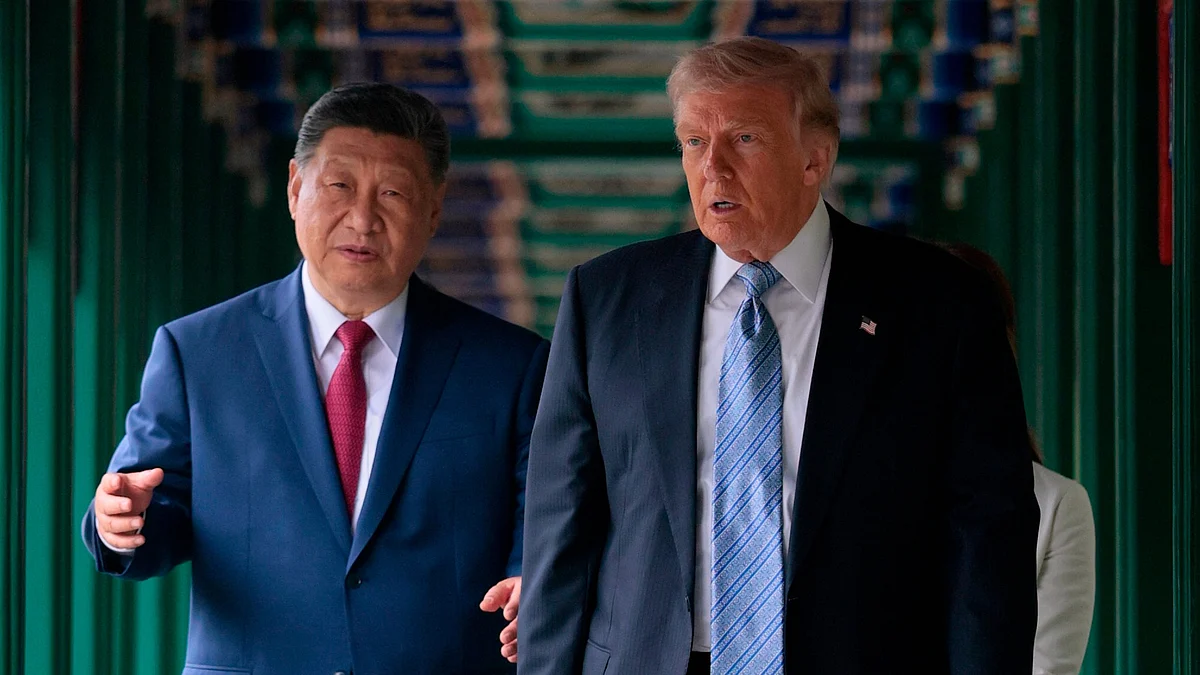


China on Saturday strongly criticised the United States for adding several leading Chinese companies, including BYD, Alibaba and Baidu, to a Pentagon list of entities alleged to have links with the Chinese military, saying the move undermines recent efforts to improve bilateral relations.
The Chinese Ministry of Commerce said Washington had ignored the consensus reached during last month's summit between US President Donald Trump and Chinese President Xi Jinping in Beijing.
In a statement, a ministry spokesperson accused the US of broadening the definition of national security and using state power to unfairly target Chinese businesses.
“The US side has ignored the consensus reached during the meeting between the heads of state of the two countries in Beijing,” the spokesperson said.
The ministry further alleged that Washington had disregarded the broader interests of China-US economic and trade relations by continuing to impose restrictions on Chinese enterprises.
Pentagon expands list
The reaction came after the Pentagon earlier this week added several prominent non-state-owned Chinese firms to its list of companies it considers to have ties to the Chinese military.
Among the companies named were electric vehicle manufacturer BYD and technology giants Alibaba and Baidu.
Inclusion on the list does not automatically trigger sanctions but can affect a company's business prospects and restrict its ability to secure contracts linked to the US defence sector.
The list forms part of broader American efforts to identify and monitor entities that Washington believes may support China's military modernisation efforts.
Companies reject allegations
BYD, Alibaba and Baidu have all rejected the designation and said there is no basis for including them on the Pentagon's military companies list.
The dispute comes despite recent diplomatic efforts by both countries to stabilise relations.
During his visit to Beijing in May, Trump held talks with Xi in a closely watched summit aimed at improving economic cooperation between the world's two largest economies.
The two leaders agreed to deepen commercial engagement, including increased Chinese purchases of US agricultural products and Boeing aircraft, and the creation of separate trade and investment coordination mechanisms.
Saturday's statement from Beijing underscores continuing tensions between the two countries over technology, trade and national security despite efforts to maintain broader economic engagement.
Join our official telegram channel (@nationalherald) and stay updated with the latest headlines