


Congo Ebola deaths exceed 5,000 as fears grow over spread across Africa
Bundibugyo virus outbreak has killed more than 5,000 people in Congo, with over 10,000 infections reported, raising concerns about the authorities’ ability to contain the disease
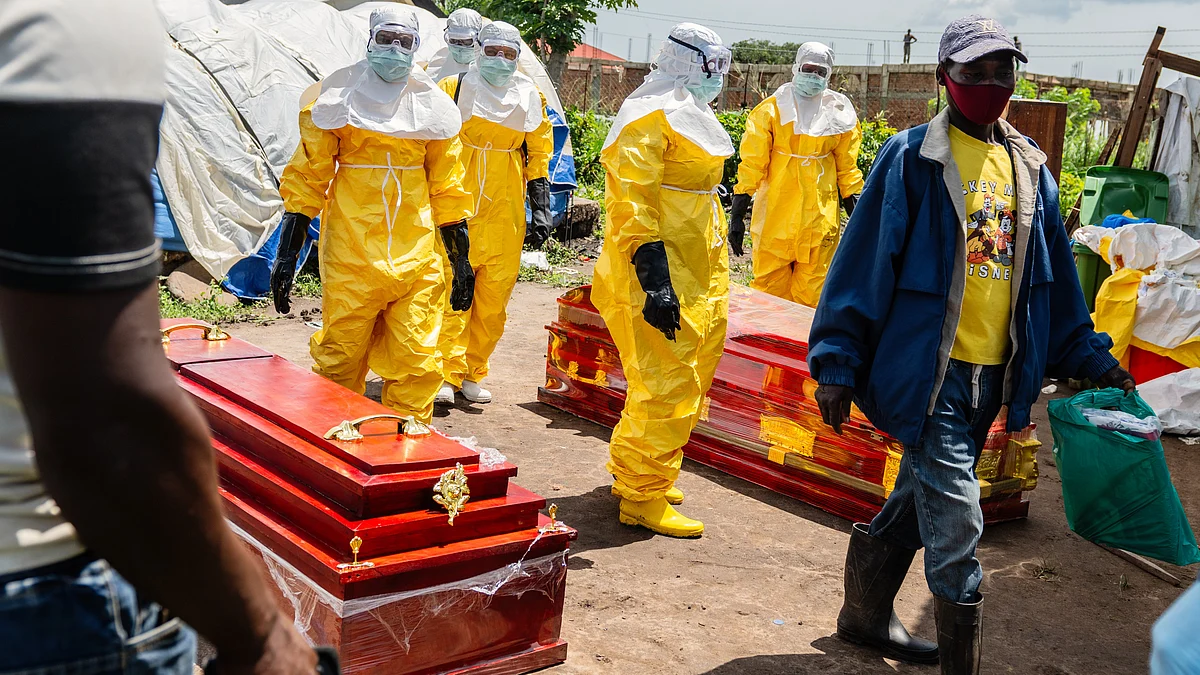


Congo reports 5,026 deaths among 10,351 people infected with Ebola.
The outbreak, caused by the Bundibugyo virus, was declared in mid-May.
It is already the second-deadliest Ebola outbreak recorded, after the 2014-2016 West Africa epidemic.
The death toll from an Ebola outbreak in the Democratic Republic of the Congo (DRC) has crossed 5,000, with more than 10,000 infections recorded, as the disease continues to spread and cases emerge in other African countries, according to the latest government data released on Saturday.
Data from the Congolese health ministry showed that 5,026 people had died among 10,351 infected, putting the reported fatality rate at nearly 49 per cent.
The outbreak, caused by the Bundibugyo virus, was declared in mid-May and caught health authorities by surprise. The scale of the outbreak has raised concerns about the capacity of the authorities to contain the virus and prevent further cross-border transmission.
The outbreak is already the second-deadliest in Ebola's history, behind the 2014-2016 epidemic in West Africa, which killed around 11,000 people across several countries.
What is Ebola and how does it spread?
Ebola is a severe viral disease that affects humans and other primates. It was first identified in 1976 following two simultaneous outbreaks in what are now the DRC and South Sudan. The disease takes its name from the Ebola River near the village of Yambuku, where one of the first recorded outbreaks occurred.
The virus can spread from infected animals to humans and then between people through direct contact with the blood, secretions and other bodily fluids of infected individuals. Transmission can also occur through contaminated clothing, bedding, medical equipment and other surfaces. Contact with the bodies of people who have died from Ebola, particularly during funeral rituals, can also spread the infection.
Symptoms and fatality rate
Symptoms generally appear between two and 21 days after infection. The illness often begins suddenly with fever, fatigue, muscle pain, headache and a sore throat. These symptoms can be followed by vomiting, diarrhoea, abdominal pain and impaired kidney and liver function.
In severe cases, patients can develop internal and external bleeding, including bleeding from the nose and gums. Contrary to popular perception, bleeding is not present in every case and generally occurs during the later stages of the disease.
Ebola is among the deadliest infectious diseases, although fatality rates vary according to the virus strain, access to medical care and the speed of treatment. Previous outbreaks have recorded fatality rates ranging from 25 to 90 per cent.
The Bundibugyo strain was first identified during an outbreak in Uganda in 2007. It caused another outbreak in the DRC in 2012. Previous outbreaks of this strain recorded fatality rates of around 30 to 50 per cent.
There is currently no approved vaccine or specific antiviral treatment for the Bundibugyo strain. Early diagnosis, isolation, rehydration and supportive medical care can improve patients' chances of survival.
The largest Ebola outbreak on record occurred in West Africa between 2014 and 2016, primarily affecting Guinea, Liberia and Sierra Leone. It killed more than 11,000 people and demonstrated how quickly the disease can spread across national borders when detection and containment measures are delayed.
Join our official telegram channel (@nationalherald) and stay updated with the latest headlines