


Cuba power grid collapses again, 3rd nationwide blackout this month amid US blockade
Failure at key plant triggers outage as fuel shortages and ageing system deepen crisis
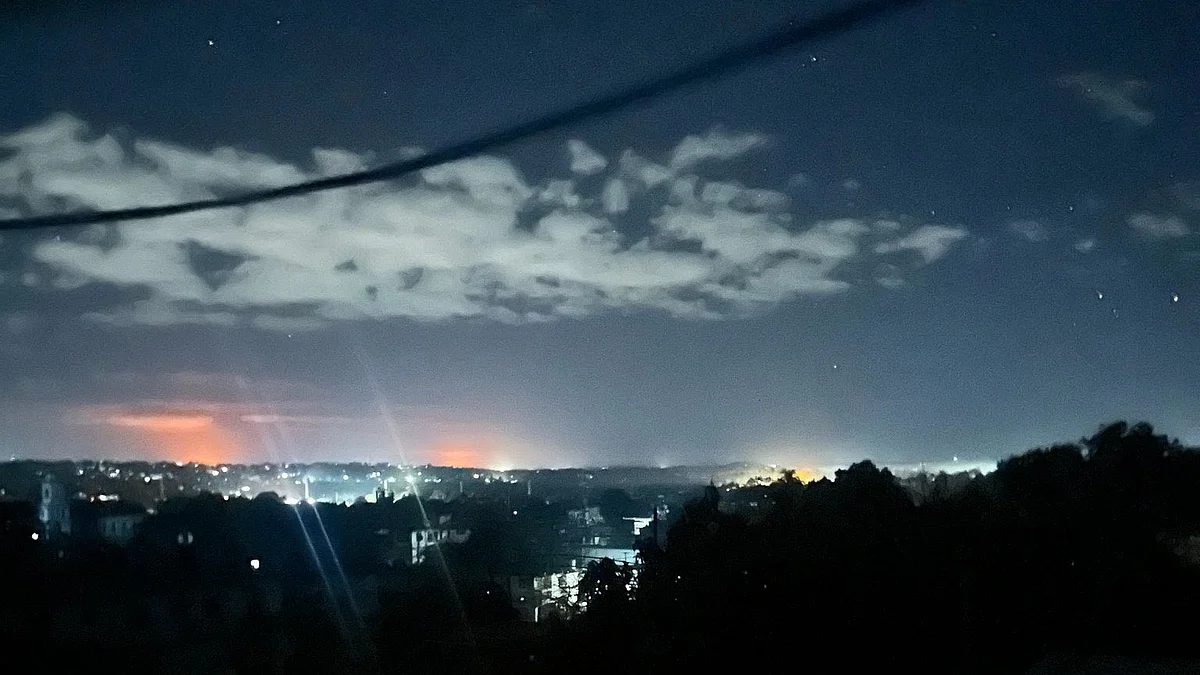


Cuba’s national power grid collapsed on Saturday, plunging the island into a total blackout for the third time this month, as authorities struggle with ageing infrastructure and acute fuel shortages.
The Cuban Electric Union (UNE), which operates under the Ministry of Energy and Mines, initially announced a nationwide outage without specifying the cause. It later said the collapse was triggered by an unexpected failure at a generating unit of the Nuevitas thermoelectric plant in Camagüey province.
Officials said the malfunction led to a cascading failure across the system.
“From that moment, a cascading effect occurred in the machines that were online,” the ministry said, adding that emergency protocols were activated.
Authorities said “micro-islands” — isolated pockets of electricity generation — were activated to supply power to critical services such as hospitals and water systems.
Efforts are underway to restore electricity gradually across the country, though officials did not provide a clear timeline.
Repeated outages underline fragile grid
Saturday’s outage was the second in a week and third in March, highlighting the vulnerability of Cuba’s power infrastructure.
Power cuts have become increasingly frequent over the past two years due to breakdowns in ageing plants and limited maintenance capacity, compounded by fuel shortages.
Even outside nationwide blackouts, Cubans face daily outages of up to 12 hours, which further destabilise the grid.
Fuel shortage and external pressures
President Miguel Díaz-Canel has said the country has not received oil from foreign suppliers for three months and currently produces only about 40 per cent of its fuel needs, worsening the crisis.
The government has attributed the shortages partly to a US-imposed oil blockade, which has restricted supplies to the island. Washington, however, has blamed structural inefficiencies within Cuba’s state-run economy.
The situation has also worsened after the disruption of oil shipments from Venezuela, a key supplier.
Impact on daily life
The recurring blackouts have had widespread consequences for the population, affecting work hours, cooking, water supply and food storage.
Hospitals have in some cases been forced to cancel surgeries, while businesses face disruptions amid prolonged outages.
Cuba has experienced multiple large-scale blackouts in recent years, driven by a combination of fuel shortages, ageing infrastructure and limited investment in the energy sector.
The latest collapse underscores the deepening energy crisis facing the island, with analysts warning that frequent outages could continue unless structural and supply issues are addressed.
Join our official telegram channel (@nationalherald) and stay updated with the latest headlines