


Delcy Rodríguez: Venezuela’s powerful vice president at the centre of global diplomacy
Lawyer-turned-politician, close Maduro ally and former foreign minister, Delcy Rodríguez is one of the most influential figures in Venezuela’s current power structure
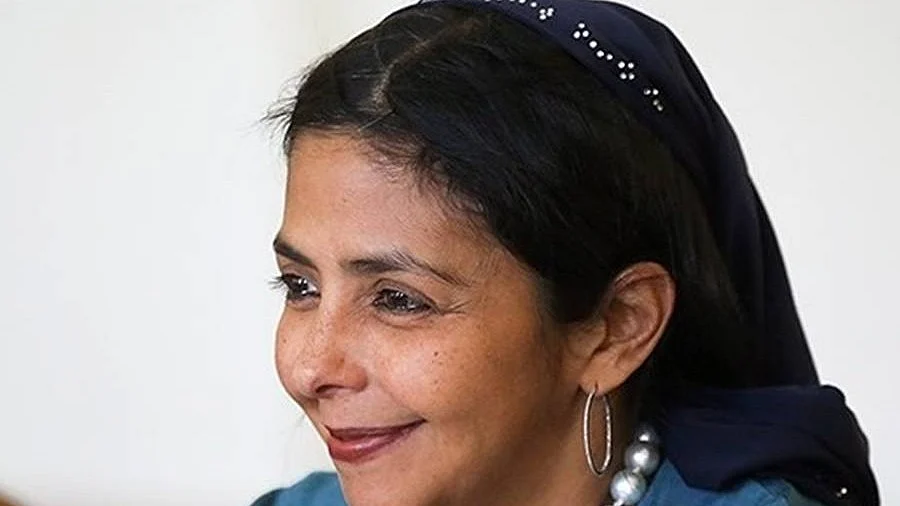


Delcy Rodríguez is one of the most powerful figures in Venezuela’s political establishment, serving as the country’s vice president and a key confidant of President Nicolás Maduro. Known for her sharp rhetoric, legal training and international profile, Rodríguez has played a central role in defending the Maduro government amid domestic unrest, economic crisis and sustained international pressure.
Born on 18 May 1969 in Caracas, Rodríguez trained as a lawyer and entered politics through Venezuela’s leftist movement that emerged during the rise of former president Hugo Chávez. She is the daughter of Jorge Rodríguez, a left-wing activist who died in custody in 1976, a personal history that has often been cited by allies as shaping her strong anti-imperialist political worldview.
Rodríguez rose to national prominence during the Chávez era, holding several senior posts before becoming Venezuela’s foreign minister in 2014, a position she retained until 2018. As foreign minister, she was one of the most vocal international defenders of the Venezuelan government, frequently clashing with Western governments, regional blocs and international organisations over sanctions, human rights allegations and questions of democratic legitimacy.
During her tenure at the foreign ministry, Rodríguez represented Venezuela at the United Nations, where her speeches often accused the United States and its allies of pursuing regime change and economic warfare against Caracas. She became known for combative interventions at the UN General Assembly, rejecting accusations of authoritarianism and arguing that sanctions were responsible for Venezuela’s economic collapse.
In June 2018, Maduro appointed Rodríguez as vice president, elevating her to one of the most powerful positions in the Venezuelan state. In this role, she has overseen key areas of governance, including economic coordination, crisis management and international engagement, while also acting as the government’s principal spokesperson during periods of political confrontation.
Rodríguez has been at the forefront of the government’s response to international sanctions imposed by the United States and other countries. She has consistently described the measures as illegal under international law and has accused Washington of attempting to strangle Venezuela’s economy to force political change. She has also played a role in negotiations with foreign governments and international actors seeking limited engagement with Caracas.
Domestically, Rodríguez has been a prominent figure during moments of political tension, including opposition-led protests, disputed elections and challenges to Maduro’s legitimacy. She has rejected allegations of human rights abuses by security forces, instead accusing opposition groups of violence and foreign-backed destabilisation.
Her influence is further reinforced by family ties within the ruling establishment. Her brother, Jorge Rodríguez, is a senior political figure who has served as president of Venezuela’s National Assembly, making the Rodríguez siblings one of the most powerful political families in the country.
Rodríguez is under sanctions imposed by the United States and the European Union, which accuse her of undermining democracy and contributing to human rights violations. She has dismissed the sanctions as politically motivated and continues to travel to allied countries and multilateral forums that recognise the Maduro government.
As Venezuela faces renewed international scrutiny amid escalating tensions with the United States and its allies, Delcy Rodríguez remains a central figure in articulating the government’s position, managing diplomatic fallout and projecting continuity within the ruling leadership. Her role places her at the heart of both Venezuela’s internal power dynamics and its increasingly contested relationship with the outside world.
Join our official telegram channel (@nationalherald) and stay updated with the latest headlines