


Trump rebukes allies over Hormuz as UAE reopens airspace amid Gulf tensions
US president warns of consequences for NATO unity while Iran’s blockade disrupts global oil flows and regional security
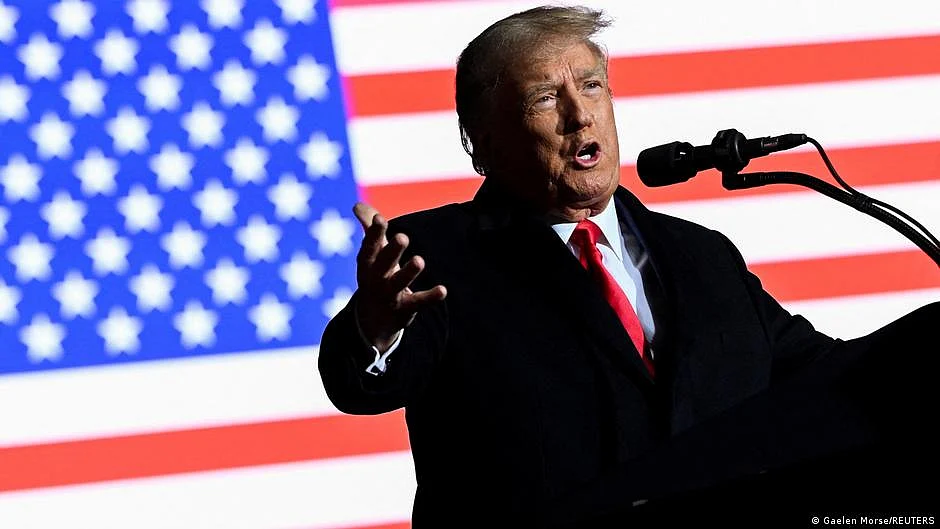


US President Donald Trump has sharply criticised key allies for declining to support military efforts to secure the Strait of Hormuz, as tensions in the Gulf continue to escalate following a widening conflict involving the United States, Israel and Iran.
Al Jazeera said that speaking to reporters and in recent statements, Trump expressed frustration at what he described as a lack of “enthusiasm” from partner nations, warning that reluctance to contribute naval forces could have serious implications for NATO’s future cohesion. He suggested that the response from allies would be closely noted, adding that the United States, while capable of acting alone, expected greater backing from countries that depend heavily on Gulf oil shipments.
The criticism was directed at several nations. The United Kingdom, under Prime Minister Keir Starmer, was singled out for offering support only after hostilities had intensified, with Trump arguing assistance should have come earlier. Germany, Japan, Italy and Australia have reportedly declined outright to deploy warships, while France, Britain and South Korea have yet to make firm commitments.
European leaders have so far resisted direct military involvement, with London indicating it does not wish to be drawn into a broader regional war. Similar positions have been echoed in Berlin and Canberra, reflecting concerns about escalation and domestic political constraints, Al Jazeera reported.
The dispute comes as Iran effectively blocks the Strait of Hormuz, a critical maritime chokepoint responsible for roughly a fifth of global oil shipments. Since early March, Tehran has deployed mines, drones and missile strikes targeting commercial vessels, leaving more than 500 tankers stranded and pushing oil prices close to 100 dollars per barrel.
Meanwhile, the United Arab Emirates has reopened its airspace after a temporary closure prompted by security concerns. Authorities suspended flights briefly as air defence systems intercepted Iranian drones and missiles, with reports of explosions over Dubai linked to successful interceptions. The country’s aviation regulator said operations had resumed following a full safety assessment, though monitoring remains ongoing.
The broader conflict has now entered its third week, with Iran stepping up retaliatory actions against Gulf states hosting US military assets. In a further sign of intensifying rhetoric, Iran’s leadership issued a new decree, while uncertainty persists over the condition of senior figures amid continued strikes.
Despite the mounting crisis, the White House has maintained that the conflict could be resolved swiftly. However, with key allies hesitant to commit forces and vital energy routes disrupted, the situation continues to pose significant risks to both regional stability and the global economy.
Join our official telegram channel (@nationalherald) and stay updated with the latest headlines