


Trump sharpens Greenland rhetoric and questions Nato solidarity
US president signals US security guarantees may hinge on economic leverage and strategic interests
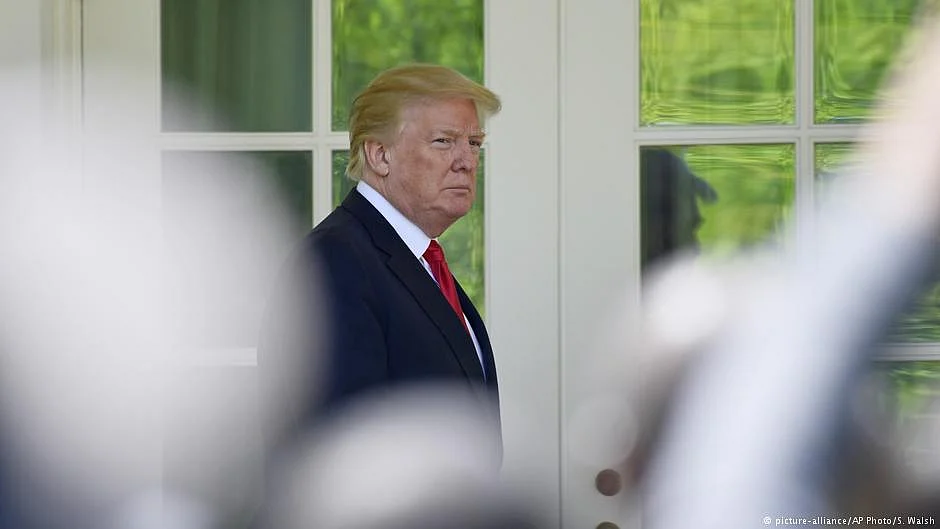


Donald Trump has intensified his language on Greenland and cast fresh doubt on the reliability of Nato, underlining an approach that increasingly links American security commitments to trade pressure and strategic advantage.
Speaking at a White House press conference to mark a year since his return to office, the US president declined to spell out how far Washington might go to protect what he described as US interests connected to Greenland. When asked directly about possible next steps, Trump said only that the public would “find out”.
Pressed on whether military force was on the table, he avoided a clear answer and instead emphasised economic measures. Tariffs, licensing rules and “other alternatives”, he said, offered swift and powerful ways to apply pressure. Trump added that he expected discussions on Greenland during an upcoming trip to Davos and said he believed the issue would be resolved favourably.
The comments were paired with renewed criticism of Nato. Trump repeated his claim that his earlier pressure had compelled alliance members to raise defence spending well beyond the long-standing 2 per cent of GDP target. He said allies had agreed to move towards 5 per cent, describing that shift as something previously thought unattainable.
At the same time, he questioned whether the alliance would support the United States in a crisis. Nato, he argued, was only effective because of American involvement, suggesting it would be significantly weaker without Washington’s backing. He also voiced concern about whether allies would come to the US’s aid if required.
While arguing that he had strengthened Nato by forcing members to contribute more, Trump said the US continued to shoulder an unfair share of the burden. His strategy, he added, had pushed allies not only to spend more on defence but also to purchase more equipment from the United States.
Trump also dismissed the idea of attending a proposed emergency G7 meeting in Paris. Asked whether he would go at the invitation of French president Emmanuel Macron, he said he would not, questioning Macron’s political future and saying he preferred talks with leaders “directly involved” in the issues at hand.
Despite the snub, Trump said he had cordial personal relations with Macron and with the British prime minister, Keir Starmer. He said both France and the UK were grappling with serious domestic challenges, highlighting immigration and energy policy as Europe’s most pressing problems. He urged European governments to rethink their reliance on wind power and to make greater use of domestic energy sources.
The remarks reflect a consistent theme in Trump’s foreign policy: the use of economic leverage as a tool of diplomacy. He has repeatedly argued that security guarantees, alliances and trade relationships should be closely linked, using tariffs and market access to force negotiations with both allies and adversaries.
According to Trump, the approach has paid off. He said the United States was wealthier and more secure than ever, crediting pressure tactics for strengthening the country’s position.
Greenland and Nato have gained heightened strategic significance as competition intensifies in the Arctic and across Europe. Trump’s comments suggest that US policy will continue to fuse questions of territory, alliances and trade, reshaping transatlantic relations around economic and strategic calculations.
With IANS inputs
Join our official telegram channel (@nationalherald) and stay updated with the latest headlines