


Europe heatwave linked to over 1,300 excess deaths, says WHO
WHO warns extreme heat has become a recurring climate threat as soaring temperatures strain health systems, infrastructure and daily life across Europe
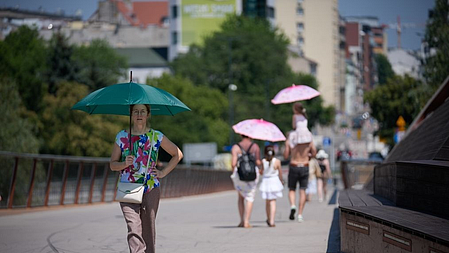


More than 1,300 excess deaths have been recorded across Europe since 21 June due to extreme heat, the World Health Organization (WHO) has said, warning that the continent is facing increasingly frequent and deadly heatwaves driven by climate change.
WHO Director-General Tedros Adhanom Ghebreyesus said around 150 million people across Europe are currently experiencing extreme temperatures, with the heat already claiming hundreds of lives, disrupting education and placing pressure on electricity networks.
Describing heat stress as a "silent killer", Tedros said much of Europe's housing, workplaces and schools were not designed to withstand such prolonged periods of high temperatures. He noted that Europe is warming at twice the global average, making it the fastest-heating continent.
He said heatwaves that were once considered rare are now becoming almost annual events as a result of global warming and climate change.
The WHO is working with governments and partners to strengthen preparedness, improve prevention measures and build more resilient health systems. Tedros urged European countries to implement comprehensive heat-health action plans to reduce the growing health risks posed by rising temperatures.
The organisation has also issued updated public guidance to help people stay safe during periods of extreme heat.
It advises people to avoid outdoor activities during the hottest hours of the day, remain in shaded or air-conditioned areas where possible and spend at least two to three hours each day in a cool environment.
To reduce indoor temperatures, the WHO recommends ventilating homes with cooler night air, keeping windows and blinds closed during the day and switching off unnecessary electrical appliances that generate heat.
The agency also cautioned against relying on electric fans when temperatures exceed 40 degrees Celsius, saying they can increase heat exposure rather than provide relief. Where air conditioning is available, it recommends setting thermostats to 27 degrees Celsius and using fans alongside to improve cooling while reducing electricity consumption.
People are also advised to wear loose, lightweight clothing, drink water regularly, cool their bodies with showers or damp cloths and check frequently on older adults, people with chronic illnesses, those living alone and other vulnerable groups.
The WHO further reminded the public never to leave children or animals inside parked vehicles and warned against covering infant strollers with dry fabric, recommending a damp, lightweight cloth instead to help reduce heat build-up.
With IANS inputs
Join our official telegram channel (@nationalherald) and stay updated with the latest headlines