


Hamas military chief killed in Gaza strike as ceasefire tensions deepen: Israel
Attack on building in crowded Gaza City market area leaves at least three dead and dozens injured; Israel says senior Hamas commander was tracked for months before operation
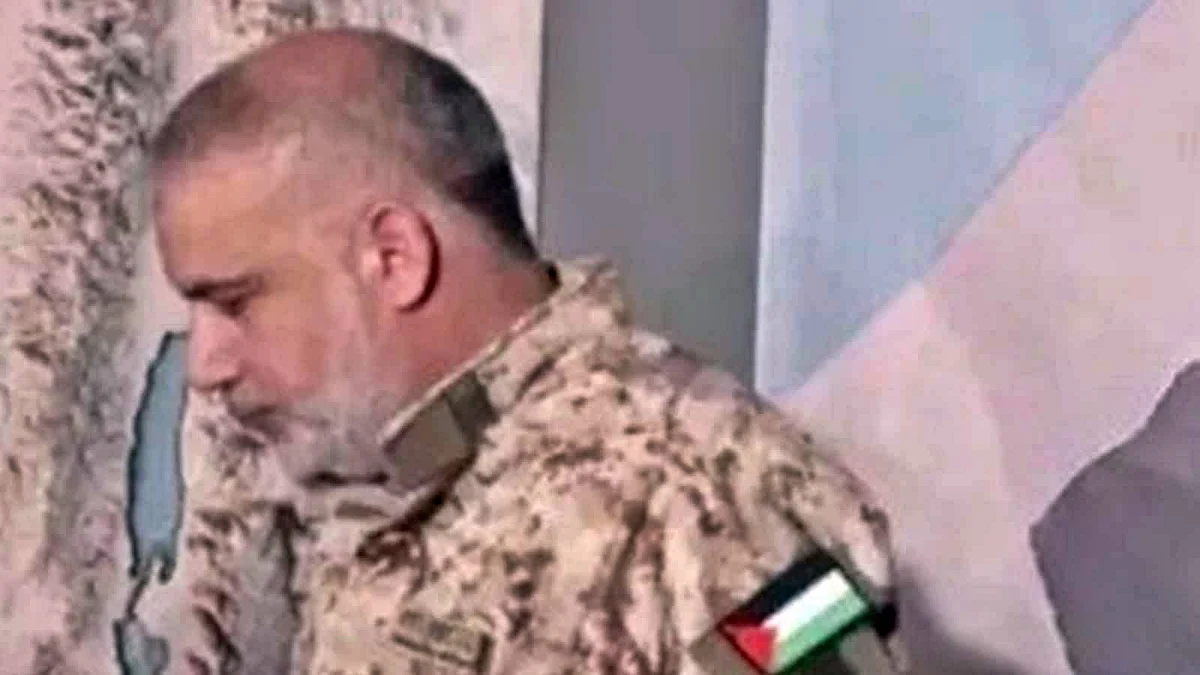


Israel on Tuesday said it had killed Mohammed Odeh, commander of Hamas's military wing, in an air strike on Gaza City, days after eliminating his predecessor in a separate operation, as tensions continued despite a ceasefire that has been in place since October.
According to the Israeli military and the Shin Bet internal security agency, the strike targeted buildings allegedly being used by Odeh as a hideout after months of intelligence surveillance to monitor his movements and those of his aides.
“Several buildings in the heart of Gaza City that served as a hideout for him were attacked after months of intelligence surveillance in order to track his movements and the movements of his assistants in the organisation,” a joint statement said.
There was no immediate response from Hamas regarding Israel's claim.
Strike hits busy market district
Local medics and witnesses said at least three Palestinians were killed and dozens injured when multiple missiles struck the upper floors of the al-Kayali building in central Gaza City, one of the area's busiest commercial districts.
The attack occurred as residents were shopping ahead of Eid al-Adha celebrations.
Witnesses reported that at least five missiles struck the building almost simultaneously from different directions, causing extensive damage and complicating rescue efforts.
Emergency teams and civil defence personnel rushed to the scene but faced difficulties accessing the upper floors because of the scale of destruction and heavy congestion in surrounding streets.
Israel said it also struck a nearby apartment allegedly belonging to a Hamas member involved in the group's 7 October 2023 attack on southern Israel and described him as part of Odeh's inner circle.
Netanyahu calls Odeh architect of 7 October attack
Israeli Prime Minister Benjamin Netanyahu described Odeh as “one of the architects of the October 7 massacre”.
“Odeh was responsible for the murder, abduction and wounding of many Israeli citizens and IDF soldiers,” Netanyahu's office said.
The strike comes only days after Israel announced the killing of Odeh's predecessor, Izz ad-Din al-Haddad, in another attack on a residential building in Gaza that local sources said also resulted in civilian casualties.
Ceasefire under strain
Israel has continued conducting air strikes across Gaza despite a ceasefire that took effect on 10 October.
Hamas has repeatedly accused Israel of violating the truce by targeting civilians and conducting military operations inside the territory. Gaza's Hamas-run health ministry says more than 900 people have been killed in Israeli strikes since the ceasefire began.
Israel, meanwhile, maintains that it retains the right to target Hamas operatives and has accused the group of violating the agreement by refusing to disarm.
Efforts to advance later phases of a US-backed peace initiative for Gaza have stalled amid wider regional tensions, including the conflict involving Iran. Key issues such as Hamas's disarmament, governance arrangements and post-war reconstruction remain unresolved.
War toll continues to rise
The current conflict began after Hamas-led militants attacked southern Israel on 7 October 2023, killing around 1,200 people and taking 251 hostages, according to Israeli authorities.
Israel responded with a large-scale military campaign in Gaza that has devastated much of the enclave and displaced large numbers of residents.
According to Gaza health authorities, more than 72,800 people have been killed in the territory since the war began. The United Nations has said the ministry's casualty figures are generally considered reliable.
The latest strike also comes amid heightened regional tensions following Israeli operations in Lebanon, where authorities reported dozens of deaths in recent attacks targeting Hezbollah positions. Israel says those strikes were directed at Hezbollah fighters and infrastructure.
Join our official telegram channel (@nationalherald) and stay updated with the latest headlines