


Homes of US and Israeli commanders ‘legitimate targets’, says Iran
Iranian-linked forces have already struck key adversary facilities, including a Neot Hovav chemical plant and several industrial complexes
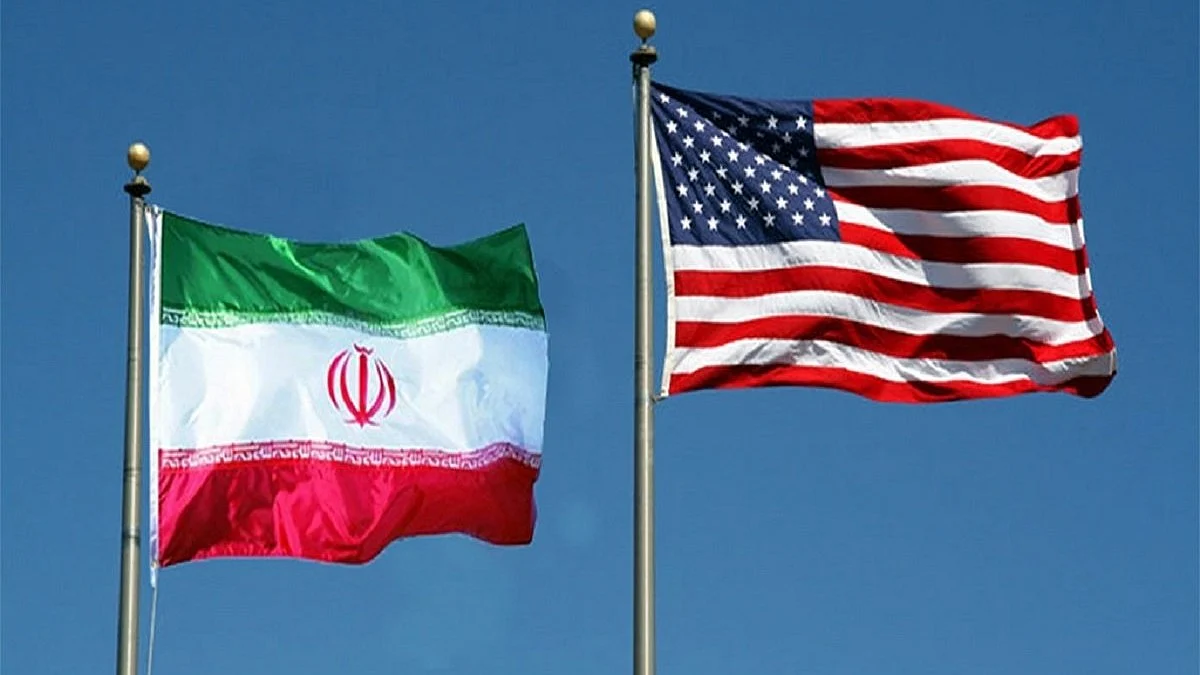


Iran has issued a stark warning that it may target the residences of United States and Israeli military commanders and political leaders, as regional tensions continue to intensify.
The threat was delivered by a spokesperson for the Khatam al-Anbiya Central Headquarters, Iran’s highest operational military body, which coordinates activities between the national army and the Islamic Revolutionary Guard Corps.
According to Iranian state media, the spokesperson described the homes of “enemy commanders and officials” as legitimate military targets in the event of further escalation.
The statement follows renewed accusations against Donald Trump, whom Iranian officials claim has threatened ground operations and the occupation of parts of Iran, particularly in the strategically vital Persian Gulf region.
Iranian state broadcaster Islamic Republic of Iran Broadcasting reported that the spokesperson criticised US leadership for issuing threats while remaining distant from direct confrontation. The remarks warned that any American aggression would lead to “humiliation, captivity, and destruction”, adding that US personnel could face severe consequences if hostilities intensify.
In a separate development, Seyed Majid Mousavi, a senior commander within the IRGC’s aerospace division, claimed that retaliatory operations were already under way. Writing on social media, he said Iranian-linked forces had targeted several strategic facilities associated with adversaries, including a chemical plant in Neot Hovav, as well as a refinery and multiple steel and aluminium complexes.
Mousavi indicated that such strikes would persist, warning they would continue until tangible impact was felt by Iran’s opponents.
The latest rhetoric comes amid a broader escalation involving Iran, the United States and Israel, marked by a series of attacks on industrial and strategic infrastructure across the region. The Persian Gulf remains a focal point due to its importance for global energy supplies and military positioning.
Iran’s Khatam al-Anbiya headquarters plays a central role in coordinating wartime operations, while the IRGC — particularly its aerospace arm — has been heavily involved in missile and drone activity in past conflicts.
With both sides exchanging warnings and signalling readiness for further action, concerns are growing over the potential for a wider regional confrontation.
With PTI inputs
Join our official telegram channel (@nationalherald) and stay updated with the latest headlines