


India should summon US envoy over Russia sanctions law, former diplomat says
K.P. Fabian says the threat of tariffs could be used in trade talks but believes India will not be intimidated.
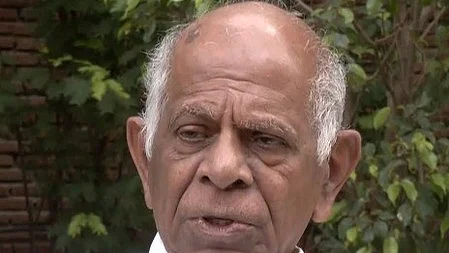


Former diplomat K.P. Fabian says India should summon the US envoy over a new Russia sanctions law that could affect buyers of Russian energy.
The legislation allows the US President to impose tariffs of up to 100 per cent on goods from countries covered by its Russian oil and gas provisions.
Fabian believes President Donald Trump could use the threat of tariffs as leverage in trade talks with India, but says their use remains at the President’s discretion.
Former diplomat K.P. Fabian has urged India to summon the US envoy after President Donald Trump signed legislation giving his administration broader powers to sanction Russia and impose tariffs on countries buying its energy.
Fabian said the law gave Trump considerable discretion over whether to apply tariffs to a particular country. The President could choose not to impose them if he judged that doing so would run against US national interests, Fabian told IANS.
For India, Fabian said, the possibility of tariffs of up to 100 per cent could become a bargaining tool in negotiations over an interim trade deal. “I don’t think India will be intimidated. The External Affairs Ministry should summon the US envoy over this,” he said.
Fabian also questioned whether Trump would impose such tariffs on China, citing its ability to retaliate. His comments were an assessment of how the powers might be used; no tariff decision against either India or China was announced in the remarks.
The Lindsey O. Graham Sanctioning Russia and Iran Act of 2026 is intended to increase pressure on Moscow over its war in Ukraine. Alongside measures targeting Russian officials, banks and energy interests, it provides for tariffs on goods from major purchasers of Russian oil and gas and entities facilitating sanctions evasion. The House Rules Committee published the legislative measure considered by the House, while reports on Saturday said Trump had signed the legislation.
The House passed the measure on Wednesday by 262 votes to 159, following Senate approval in August. The new powers have raised questions about their possible effect on countries that continue to import Russian energy, including India.
With IANS inputs
Join our official telegram channel (@nationalherald) and stay updated with the latest headlines