


'Appeasement never pays': Congress jabs govt on US Russia sanctions Bill
Opposition accuses PM of surrendering to US pressure as Trump gets power to impose tariffs of up to 100 per cent
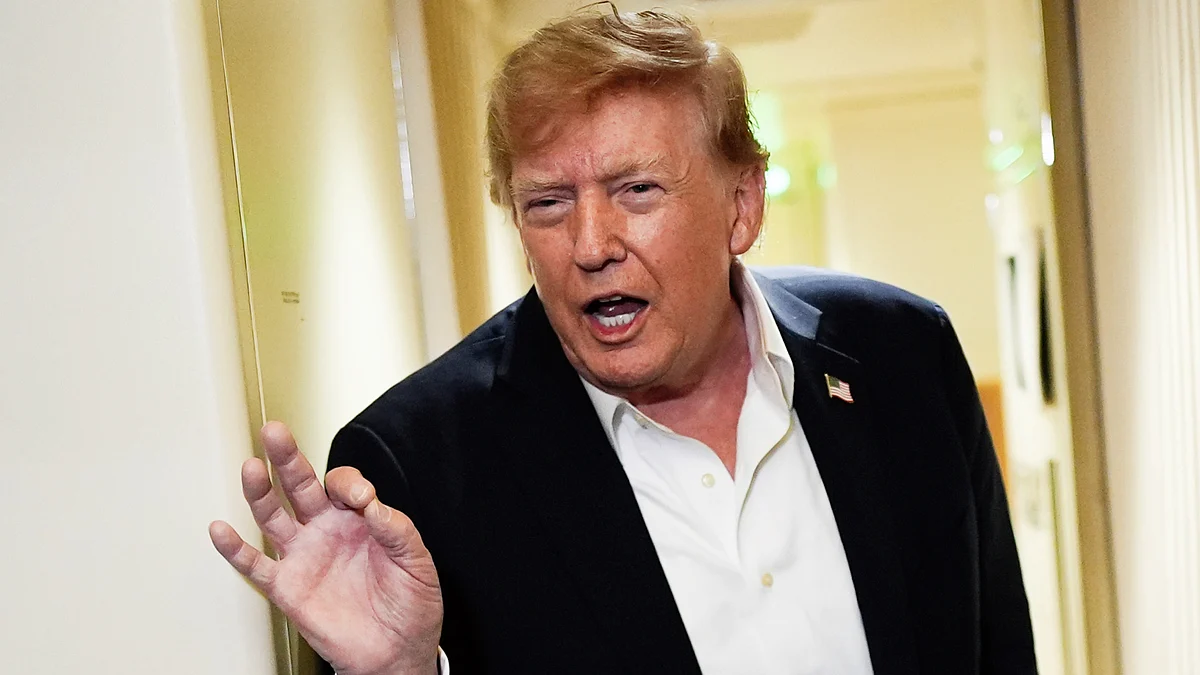


Congress accuses Modi government of ‘surrendering’ to US pressure after Washington threatened tariffs of up to 100 per cent on countries buying Russian oil.
The Opposition alleged that India was yielding to US on issues including Russian oil, UPI charges and the Pakistan ceasefire, and demanded clarity.
The MEA said India was monitoring developments and would take all necessary steps to protect its economic interests and energy security
The Congress on Thursday, 17 September stepped up its attack on the Narendra Modi government after the US House of Representatives passed legislation giving President Donald Trump the authority to impose tariffs of up to 100 per cent on countries, including India, that continue to buy Russian oil and gas.
The Opposition party accused the government of remaining silent in the face of what it described as US pressure, alleging that the Modi government was willing to compromise India’s energy security and foreign policy interests to keep Washington happy.
The Lindsey O. Graham Sanctioning Russia and Iran Act of 2026 was passed by the House in a 262-159 vote on Wednesday, after clearing the Senate in August. It now goes to Trump for his signature. The legislation targets Russia’s leadership and energy sector, as well as vessels in the so-called ‘shadow fleet’ used to evade sanctions on Russian oil deliveries. It also gives Trump the authority to impose tariffs of up to 100 per cent on major buyers of Russian energy, including India and China.
Democratic senator Richard Blumenthal, reacting to the passage, warned India and China to stop buying Russian energy. “China and India, you better buy your oil and gas somewhere else,” Blumenthal told reporters after the vote.
The Congress seized on the remarks to target the Modi government. Congress Rajya Sabha MP and general-secretary (communications) Jairam Ramesh said on X, 'Appeasement has never paid and will never pay.'
The party's social media post said: 'The US threatens India, and Modi stays silent. The US has now passed a Bill to impose a 100% tariff on India. Modi has completely surrendered to the US.'
The post alleged that the government had bowed to Washington on a range of issues, including UPI charges, the ceasefire with Pakistan and tariffs.
Congress Lok Sabha MP and general-secretary (organisation) K.C. Venugopal also questioned whether the government would 'stand up' to the US. 'Will the PM find the guts to stand up to the US’ latest Senate resolution? Will India’s foreign policy and energy sovereignty be controlled from Washington?' he said on X.
Venugopal also alleged that the Centre had 'bowed to US pressure' by imposing MDR on UPI transactions and would now face renewed pressure over Russian oil purchases. 'Given the Compromised PM’s track record, we are likely to see the Centre toe the US’ line and surrender to Washington,' he said.
The Congress demanded that the government clarify its position and ensure that India's energy security was not compromised.
The ministry of external affairs, meanwhile, said India would take all necessary steps to protect its economic interests and ensure energy security. It said India was monitoring further developments following passage of the legislation in the US Congress.
The House vote was bipartisan, with 203 Republicans, 58 Democrats and one Independent voting in favour. Seven Republicans and 152 Democrats voted against it. Democratic opposition largely centred on the tariff-making powers the legislation would give Trump.
The Bill is named after Republican Senator Lindsey O. Graham, who died in July after spending more than a year building support for the legislation.
The legislation's passage does not mean India will automatically face a 100 per cent tariff. It gives Trump the authority to impose such tariffs on major purchasers of Russian oil and gas, leaving their actual imposition to the US administration.