


Iran accuses US of violating ceasefire with strikes near Strait of Hormuz, vows retaliation
Tehran says attacks in Hormozgan province undermined Pakistan-mediated diplomatic efforts; Rubio insists critical shipping route must remain open
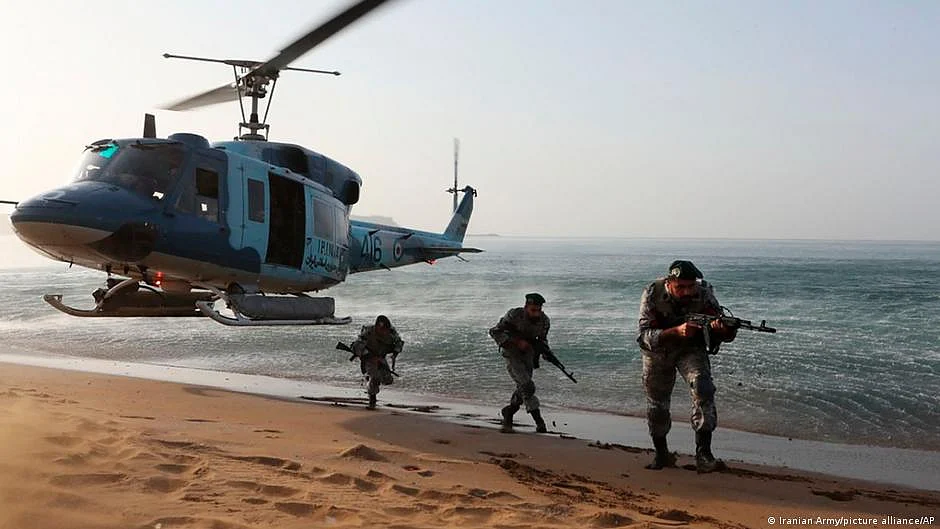


Iran on Tuesday accused the United States of violating a ceasefire with overnight military strikes in the southern province of Hormozgan near the strategically vital Strait of Hormuz, warning that it would respond to the attacks and would not leave any aggression unanswered.
The Iranian Foreign Ministry said Washington had carried out strikes in the region over the past 48 hours despite ongoing diplomatic efforts aimed at preserving a fragile truce and reviving negotiations.
“The United States committed a gross violation of the ceasefire in the Hormozgan region in the past 48 hours,” the ministry said in a statement.
“Iran holds the US regime responsible for all the consequences resulting from these aggressive and unjustified actions,” it added, while pledging that Tehran would not hesitate to defend itself against any further attacks.
Iranian officials also accused Washington of acting in bad faith at a time when diplomatic engagement, reportedly facilitated by Pakistan, was underway to address outstanding disputes and reduce tensions.
Explosions reported near Hormuz
Iranian media reported explosions in areas close to the Strait of Hormuz early on Tuesday and described the US operation as a serious breach of a ceasefire that had largely halted hostilities in West Asia for nearly seven weeks.
According to reports, US forces targeted vessels allegedly attempting to deploy naval mines as well as missile-launch facilities in southern Iran. Washington reportedly characterised the operation as a defensive action aimed at protecting maritime navigation and regional security.
The latest escalation comes despite indications from both sides in recent weeks that negotiations over a possible memorandum of understanding were making progress. The proposed framework was expected to help restore commercial shipping through the Strait of Hormuz while allowing negotiators time to address contentious issues, including Iran's nuclear programme and the future of its stockpile of highly enriched uranium.
Rubio defends US position
Responding to questions during his visit to India, US Secretary of State Marco Rubio defended Washington's stance and stressed the importance of keeping the Strait of Hormuz open to international shipping.
“The Strait of Hormuz has to be open one way or the other,” Rubio said when asked about the strikes and their potential impact on maritime traffic.
The waterway, situated between Iran and the Arabian Peninsula, remains one of the world's most important energy transit corridors, carrying roughly one-fifth of global oil and gas supplies.
Shipping activity through the strait has fallen sharply since the outbreak of conflict in the region. While between 125 and 140 vessels typically pass through the channel each day, only a few dozen ships have reportedly used the route in recent weeks because of security concerns.
Oil prices climb
The renewed confrontation triggered fresh volatility in energy markets, with investors closely monitoring the possibility of disruptions to oil exports from the Gulf region.
Brent crude, the global benchmark for oil prices, rose nearly three per cent on Tuesday to around USD 98.91 per barrel following reports of the US strikes and Iran's warning of retaliation.
The latest exchange has fuelled concerns that tensions around the Strait of Hormuz could escalate further, threatening global energy supplies and complicating efforts to secure a broader diplomatic settlement in the region.
Join our official telegram channel (@nationalherald) and stay updated with the latest headlines