


Iran delegation in Islamabad for high-stakes US talks amid fragile ceasefire
Negotiations hinge on Lebanon truce and release of assets as Pakistan steps in as facilitator
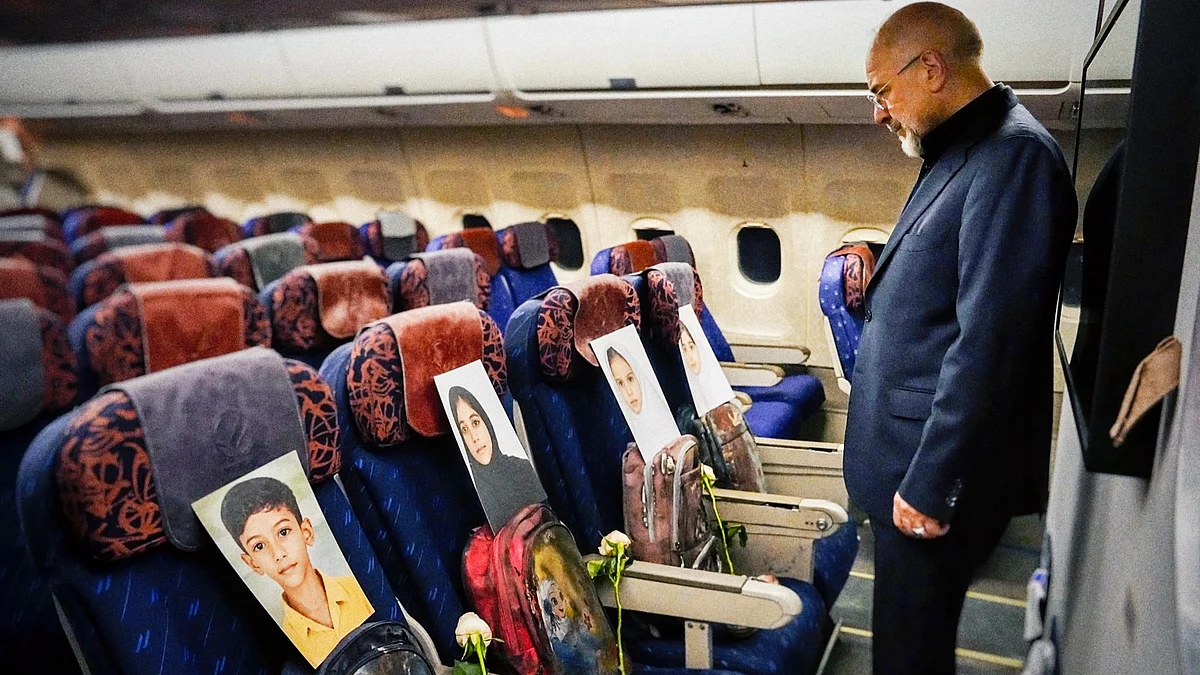


An Iranian delegation arrived in Islamabad in the early hours of Saturday, 11 April for crucial talks with the United States, raising cautious hopes of easing tensions after weeks of conflict that have rattled West Asia.
Pakistan Prime Minister Shehbaz Sharif, while announcing a two-week ceasefire on Wednesday, had said the US and Iran would hold negotiations in Islamabad. In a post on X, Sharif tagged the presidents of both countries, signalling Islamabad’s role as a facilitator in the diplomatic effort.
The Iranian team, led by Parliament speaker Mohammad Bagher Ghalibaf and foreign minister Seyed Abbas Araghchi, is expected to participate in the Islamabad talks later on Saturday. The US delegation, headed by vice-president J.D. Vance, was also on its way to the Pakistani capital.
According to Pakistan’s foreign office, the Iranian delegation was received by deputy prime minister and foreign minister Ishaq Dar, National Assembly speaker Ayaz Sadiq, chief of Army staff Field Marshal Syed Asim Munir, and interior minister Syed Mohsin Raza Naqvi.
“A high-powered delegation from the Islamic Republic of Iran led by Speaker of the Iranian Parliament, Mohammad Bagher Ghalibaf, along with Foreign Minister Abbas Araghchi arrived in Islamabad today to participate in Islamabad Talks,” the foreign office said in a statement.
Dar expressed hope that both sides would engage constructively, reiterating Pakistan’s intent to facilitate a durable resolution to the conflict in West Asia.
The visit took place amid speculation on social media about whether the Iranian delegation would attend the talks following Israeli strikes in Lebanon. Some reports citing Iranian media suggested the delegation’s participation would depend on whether agreed ceasefire conditions were implemented.
Iran’s semi-official Tasnim news agency reported that negotiations would not begin until certain “preconditions” were met, reflecting comments by Ghalibaf ahead of departure for Islamabad.
“Two of the measures mutually agreed upon between the parties are yet to be implemented: a ceasefire in Lebanon and the release of Iran’s blocked assets prior to the commencement of negotiations,” Ghalibaf said in a post on X. “These two matters must be fulfilled before negotiations begin.”
Meanwhile, the US delegation led by Vance was expected to land in Islamabad shortly. According to media reports, US President Donald Trump has given Vance clear guidance on the negotiations.
“As the US president said, if the Iranians are willing to negotiate in good faith, we’re certainly willing to extend an open hand. If they’re going to try to play us, they’re going to find that the negotiating team is not that receptive,” Vance told reporters before boarding his flight.
The talks come amid a two-week pause in the US-Israeli military campaign against Iran, which began on February 28, intensifying tensions across the region.
Pakistan played a key role in facilitating the dialogue after Sharif appealed earlier this week for both sides to return to the negotiating table, helping secure the temporary halt in hostilities.
Iran’s foreign minister Araghchi, who earlier spoke with the country’s ambassador to Lebanon Mohammad Reza Shibani, stressed that the US must honour ceasefire commitments, including ensuring the truce applies to Lebanon.
Iranian President Masoud Pezeshkian has also said Israeli strikes on Lebanon violated the initial ceasefire understanding and could undermine the credibility of negotiations.
Security has been significantly tightened in Islamabad ahead of the talks. Officials said more than 10,000 police and security personnel have been deployed to provide multi-layered protection for visiting delegations.
The Red Zone, which houses key government buildings, is under the protection of the Army and Rangers, with entry restricted to authorised officials and residents.
The negotiations are being closely watched worldwide, as their outcome could shape the security landscape in West Asia, influence global energy markets, and affect broader geopolitical alignments.
With PTI inputs
Join our official telegram channel (@nationalherald) and stay updated with the latest headlines